Canada has made a bold geopolitical move by opening a new consulate in Greenland, signaling a significant shift in Arctic diplomacy. This strategic expansion underscores Ottawa’s commitment to asserting its sovereignty while navigating complex international relations.
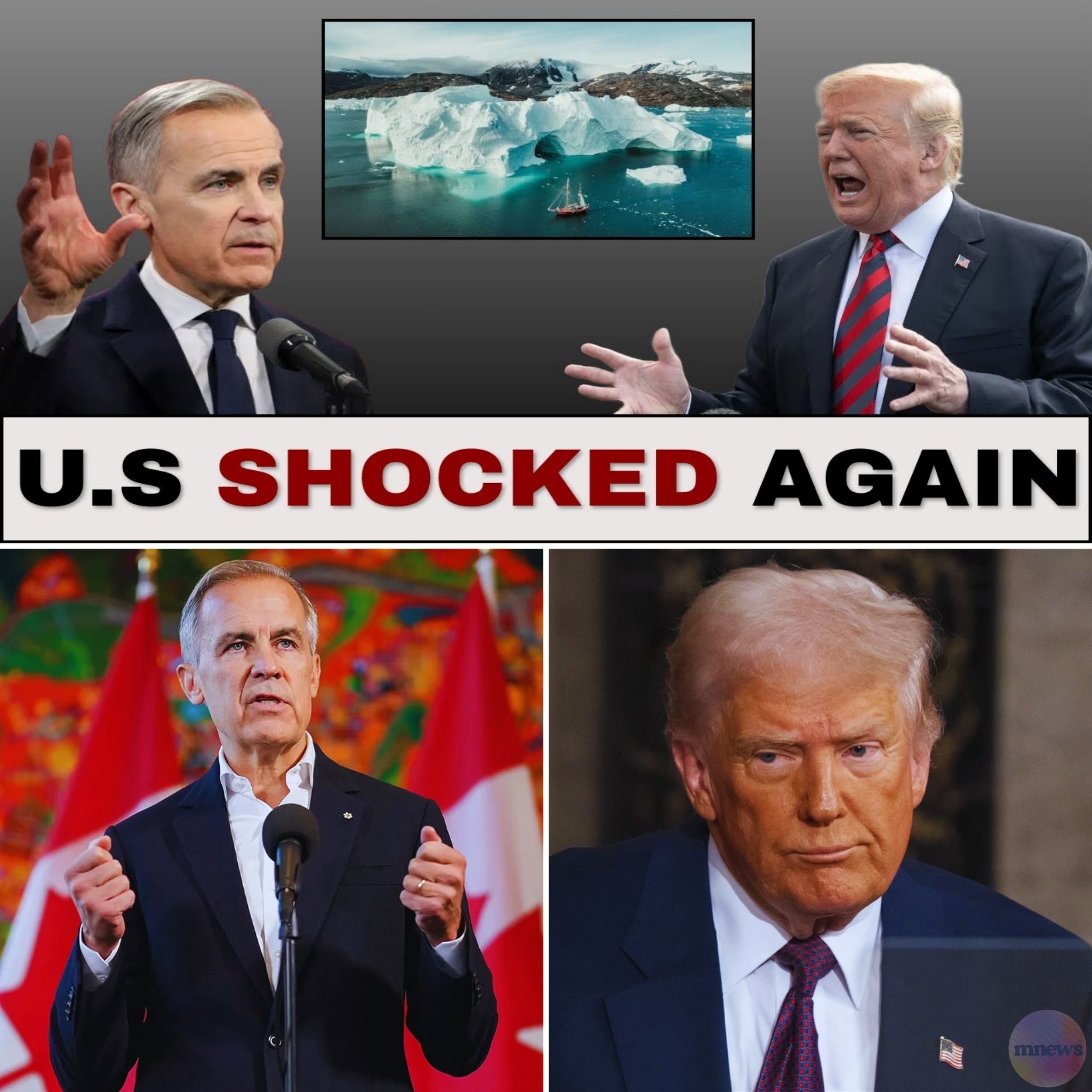
The consulate, located in Nuuk, is more than just a diplomatic outpost; it represents Canada’s response to the growing ambitions of the United States under Donald Trump. Trump’s interest in Greenland, once dismissed as a joke, has reignited concerns among Canadian officials about American encroachment in the Arctic.
As tensions rise, Canada is taking proactive measures to secure its interests in a region rich with resources, shipping routes, and military potential. The new consulate is a calculated step to enhance Canada’s influence, just as the U.S. seeks to expand its Arctic presence.
French President Emmanuel Macron’s recent visit to Greenland further complicates the geopolitical landscape. His declaration that Greenland “is not to be sold” reverberates throughout Europe, reflecting fears of a U.S. takeover of Arctic territories. This sentiment amplifies Canada’s urgency to assert its own claims.
The Arctic is no longer a remote, desolate expanse; it is becoming a battleground for global power dynamics. Canada recognizes that control over this region translates into unparalleled strategic leverage. The consulate in Nuuk serves as both a monitoring post and a political statement.

With the U.S. consulate reopening in 2020, Canada’s move is a direct challenge to American influence. The proximity of the two consulates shifts the strategic balance, emphasizing that the Arctic is not solely an American domain.
Long-standing disputes between Canada and the U.S. over Arctic borders are resurfacing as the region heats up politically and environmentally. Trump’s aggressive Arctic policies clash with Canada’s vision of a fortified northern identity, making the Nuuk consulate pivotal.
This new diplomatic presence is a clear message: the Arctic is shared territory, and Canada is unwilling to cede control to any single nation. The implications of this move extend beyond mere geography; they signal a new era of Arctic geopolitics.

As the world watches the Arctic transform into a new frontier of international relations, Canada’s consulate in Greenland may mark a turning point. The Arctic is no longer just a cold, distant region; it is a hotbed of ambition and conflict, where alliances are tested, and power is negotiated.
Canada’s decisive action demonstrates its commitment to safeguarding its interests in a rapidly changing geopolitical landscape. The Arctic is heating up, and Canada is positioning itself as a key player in this unfolding drama.