Canada stands on the brink of a transformative trade deal with China, a move that could reshape its agricultural landscape and redefine its diplomatic ties. As Ottawa prepares for high-stakes discussions in Beijing, the stakes have never been higher for Canadian farmers and the economy at large.
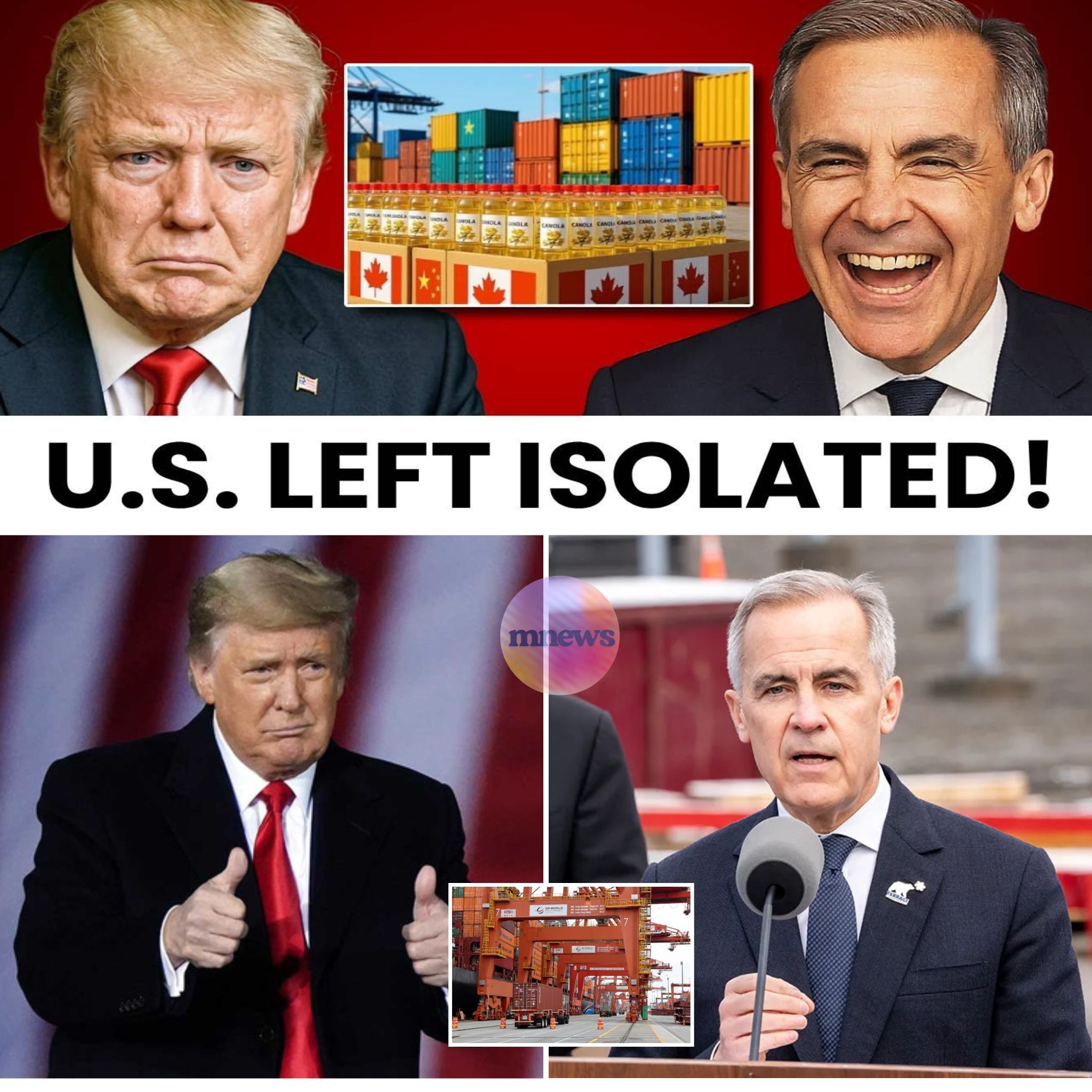
 In a bold proposal dubbed the “Golden Deal,” China has offered to eliminate all tariffs on Canadian agricultural exports in exchange for Canada lifting its 100% import ban on Chinese electric vehicles (EVs). This proposal arrives amid a backdrop of strained relations and escalating trade tensions that have left Canadian farmers struggling under the weight of retaliatory tariffs.
For years, Western Canada’s agricultural sector has faced crippling restrictions, with canola fields lying fallow and silos overflowing with unsold grain. The Chinese market, once a vital lifeline for Canadian farmers, has been effectively closed since early 2025, leading to dire economic consequences for rural communities.
The urgency of the situation is palpable. Farmers from Saskatchewan to Manitoba are clamoring for Ottawa to accept the deal, viewing it as a chance for revival. Economists estimate that lifting China’s tariffs could inject billions back into the Western provinces, reigniting dormant supply chains and revitalizing local economies.
However, the proposal poses a significant dilemma for Prime Minister Mark Carney. Accepting the deal could fracture Canada’s alignment with the United States, which has historically influenced Canadian trade policy. Under pressure from Washington, Ottawa had imposed its own tariffs on Chinese EVs, a move that was more about political solidarity than economic necessity.
Critics argue that this deal is not merely a trade agreement but a test of Canada’s sovereignty and economic independence. Lawmakers are divided; some see it as an unprecedented opportunity for Canada to assert its interests, while others warn of potential economic blackmail aimed at exploiting regional divides.
The political landscape is further complicated by the contrasting interests of Ontario’s auto sector and the agricultural communities of the West. Ontario Premier Doug Ford has voiced strong opposition to lifting the EV tariff, fearing a flood of Chinese imports that could undermine domestic manufacturers. Meanwhile, the premiers of Manitoba and Saskatchewan are urging immediate action to save their struggling agricultural sectors.
As Canada grapples with this decision, the economic ramifications are stark. Exports to China have plummeted, with Saskatchewan’s agricultural exports down by 76%. Farmers face mounting losses, and the specter of economic despair looms over rural communities.
China’s interest in Canadian agriculture goes beyond mere trade; it is part of a larger strategy to secure stable food sources independent of American exports. The proposed exchange of agricultural products for EVs symbolizes a potential shift in global trade dynamics.
In this high-stakes game, Canada must weigh its options carefully. The choice between maintaining alignment with the U.S. and pursuing economic revival through engagement with China could define the nation’s future. As the clock ticks down, the pressure mounts for Ottawa to act decisively, balancing regional interests against the backdrop of a rapidly changing global landscape. The outcome of these negotiations will not only impact farmers but also shape Canada’s identity on the world stage.