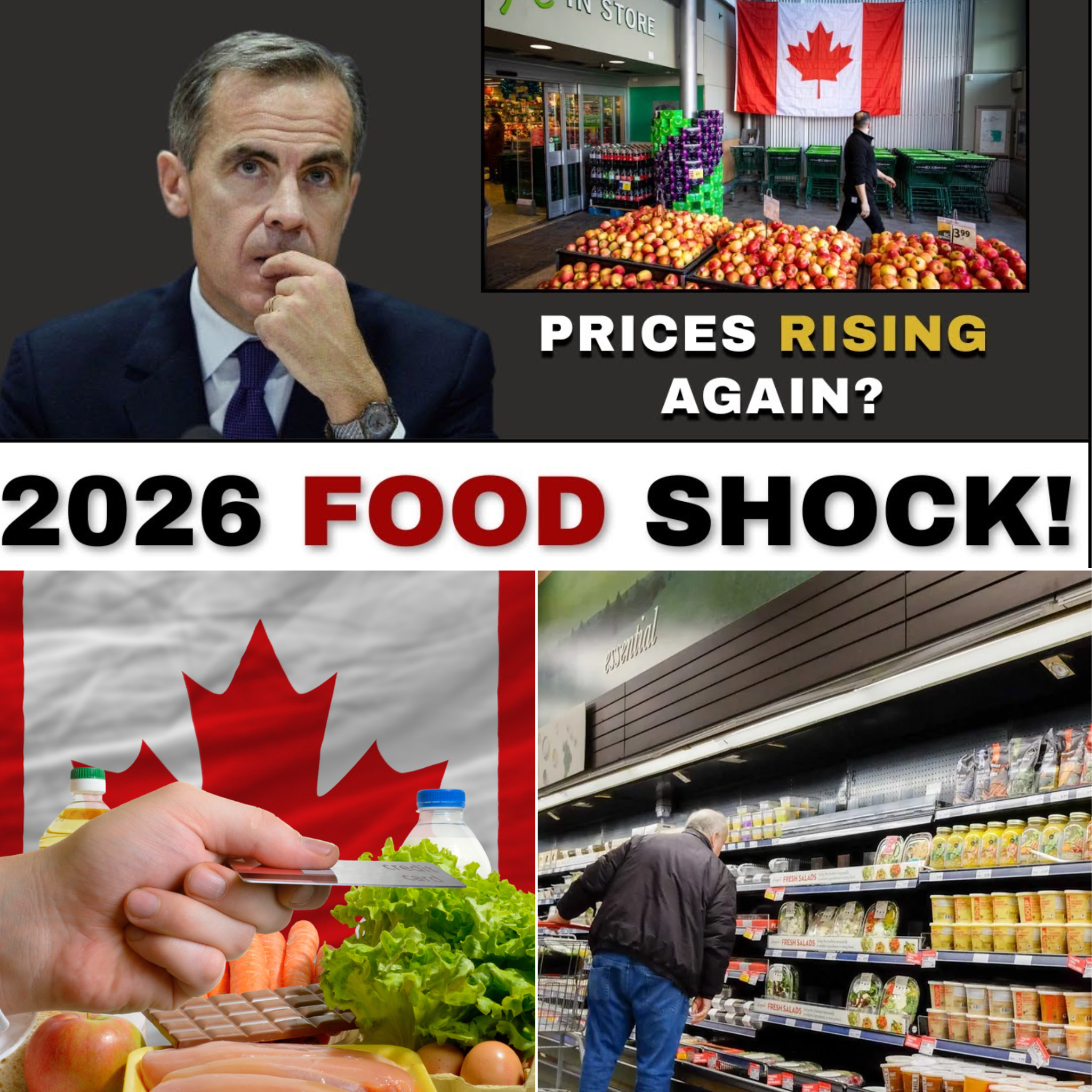
Food inflation is set to hit Canadian households hard in 2026, with families facing an alarming increase in grocery bills. A new report reveals that the average family of four will spend nearly $1,000 more on food next year, pushing their annual grocery expenses to over $17,500.
 This year alone, food prices have already risen by 3.4%, and economists predict an even steeper climb ahead, with food inflation expected to outpace overall inflation, sitting between 4% and 6%. For millions of Canadians, grocery shopping has become a daunting exercise in budgeting and sacrifice.
The escalating costs are driven by a complex interplay of factors, including global trade tensions, climate extremes, and domestic production challenges. As families navigate the grocery aisles, they are forced to make tough choices, often opting for lower-quality items or cutting back on protein, which now constitutes nearly 40% of grocery spending.

One of the most significant contributors to rising prices is the meat sector. Beef prices have surged, with Canada’s cattle herd shrinking to its smallest size in nearly four decades. Farmers are grappling with soaring feed costs, prolonged droughts, and increasing operational expenses. Processing plants are also struggling, compounding the challenges in bringing beef to market.
As beef becomes less affordable, consumers are shifting towards chicken and pork. However, this pivot has led to a spike in chicken prices, which have increased by over 20%. The situation has created a ripple effect, putting additional financial pressure on families already stretched thin.
Trade tensions have also exacerbated the crisis. Earlier this year, the U.S. imposed tariffs on numerous agricultural products, including a hefty 50% duty on Brazilian coffee. While these tariffs have since been rolled back, the repercussions linger, with global supply chains adjusting slowly. This means that some price relief for items like coffee and cocoa may take months to materialize.

Vegetable and fruit prices, which briefly saw a decline, are also expected to rise again. Experts predict a potential increase of up to 5% for vegetables and 3% for fruits in 2026. This volatility is largely a result of unpredictable weather patterns and climate change, which disrupt agricultural production globally.
Droughts in Canada, wildfires in California, and flooding in South America are just a few examples of how climate events are tightening the food supply. As major growing regions face these challenges, Canadians will inevitably feel the impact on their grocery bills.
In summary, the food inflation crisis is not just a temporary blip but a profound shift in how Canadians will approach food budgeting and consumption in the coming years. With rising prices, families must brace themselves for a new reality where every grocery trip becomes a calculated endeavor. The urgency for solutions is clear, as Canadians grapple with the growing burden of food costs.