In a startling revelation, Canada has been explicitly named in a newly released U.S. National Security Strategy, marking a significant shift in how the United States views its northern neighbor. This document, rather than fostering a spirit of partnership, paints Canada as a subordinate actor in Washington’s broader geopolitical agenda, particularly concerning its economic rivalry with China.
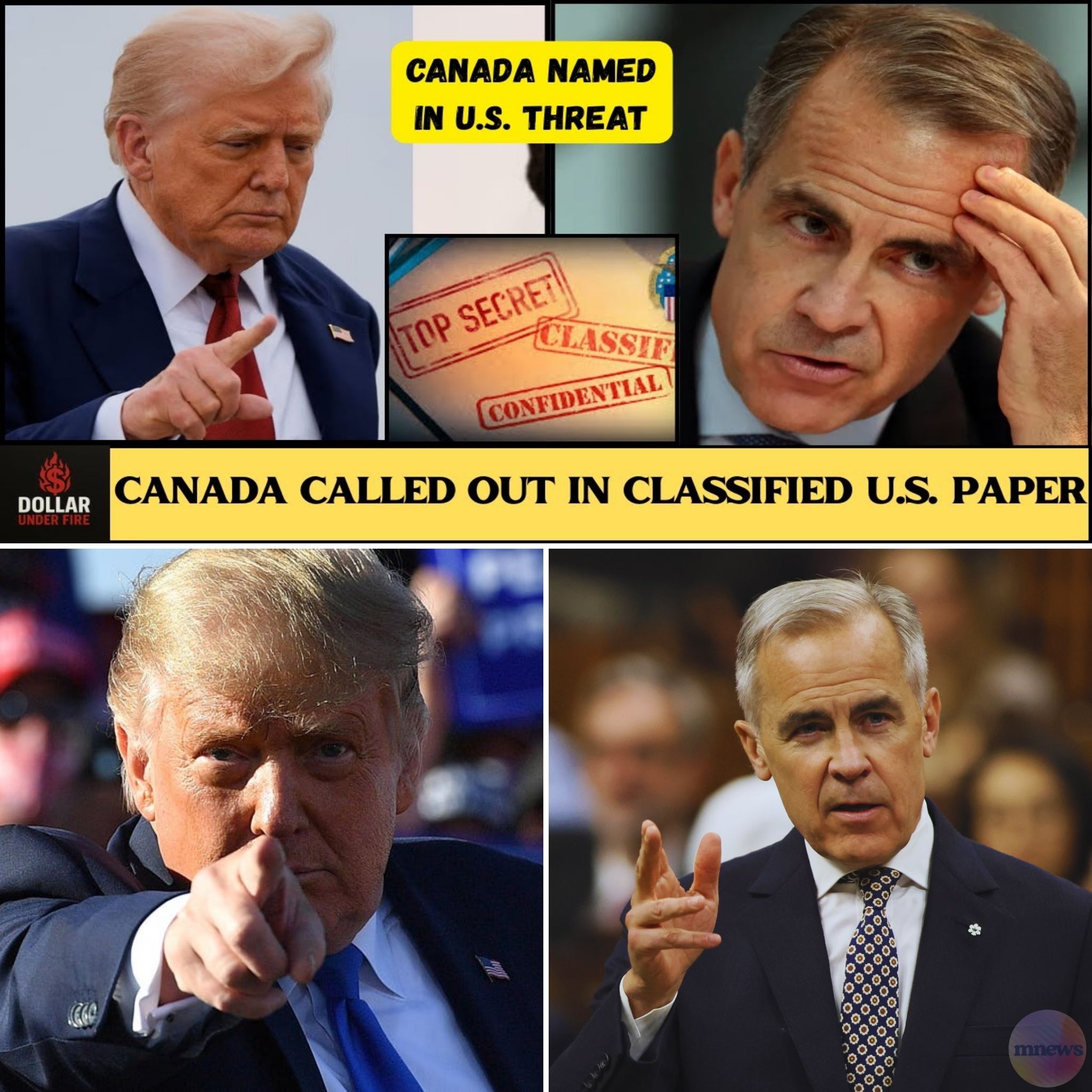
The language used in this security strategy is alarming. It indicates a hierarchy where Canada is expected to align its trade policies with U.S. interests, not as a collaborator, but as a compliant subordinate. The term “encourage” in this context suggests an expectation of obedience rather than cooperation, raising serious concerns about Canada’s sovereignty and economic autonomy.
Prime Minister Mark Carney’s foresight in anticipating this shift is noteworthy. Months before the document’s release, he warned of an impending end to open global trade dominated by the U.S. His proactive strategies to diversify Canada’s trade relationships, particularly with Asia, are now proving to be not just prudent but essential for Canada’s economic future.
The implications of this document extend beyond trade. It signals a U.S. perception that Canadian resources, particularly critical minerals, should serve American strategic interests. This perspective poses a direct threat to Canada’s ability to engage in independent trade agreements, particularly with Asian markets.

Moreover, the document reveals a troubling trend in U.S. foreign policy—one that shifts from cooperation to coercion. The U.S. is not merely urging its allies to follow its lead; it is issuing directives that threaten economic repercussions for non-compliance. This raises the stakes for Canada, which must now navigate a precarious path between maintaining its sovereignty and adhering to U.S. demands.
The rhetoric aimed at Europe further underscores this shift. The U.S. now frames alliances as privileges that can be revoked based on compliance with its directives. This raises an unsettling question for Canada: if long-standing allies like Germany and France are subject to such scrutiny, what guarantees does Canada have against similar treatment?

As Canada stands at this critical juncture, it faces a fundamental choice: to continue down the path of subordination, aligning its economic policies with U.S. demands, or to assert its sovereignty and pursue an independent economic agenda. The stakes are high, and the consequences of this decision will resonate for generations.
In a world where U.S. dominance is increasingly challenged, Canada must decide what kind of future it envisions. Will it seek permission from Washington, or will it carve out a future defined by Canadian choices and independence? The world is watching closely as Canada navigates this pivotal moment in its history.