A seismic shift in North American defense and diplomacy is unfolding as Canada’s reconsideration of a major fighter jet purchase triggers unprecedented public pressure from Washington, exposing deep fractures in the bilateral relationship. The long-assumed automatic alignment between the two nations on critical security matters is now in serious doubt, with profound implications for continental sovereignty and global supply chains.

The immediate crisis stems from Ottawa’s rigorous review of its commitment to the American-made F-35 Lightning II fighter. Canadian officials have moved beyond routine procurement questions to scrutinize the industrial benefits and value for domestic industry, directly challenging the heart of a U.S.-led defense project where Canada is a significant supply chain partner. This unexpected assertiveness sent immediate alarm through American defense circles and the Pentagon.
Simultaneously, a high-level Swedish delegation, including royal family members and leadership from aerospace giant Saab, presented Ottawa with a formidable alternative. Their offer for the Gripen fighter is not merely a sales pitch but a concrete industrial proposal promising approximately 10,000 research and manufacturing jobs in Canada, centered on domestic production and full technology transfer.

The Swedish proposition fundamentally challenges American strategic assumptions. The Gripen is designed for sovereign operation, meaning Canada would control its own software, upgrades, and mission parameters without reliance on U.S. oversight. Canadian officials’ description of the offer as “very interesting” resonated in Washington as a potential tectonic shift.
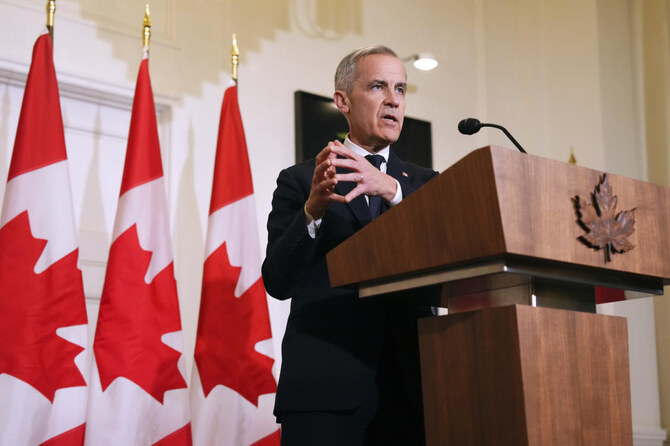
This brewing competition forced a stunning public intervention from U.S. Ambassador to Canada, Pete Hoekstra. In a speech marked by unusual urgency, Hoekstra blended praise with palpable concern, attempting to reaffirm the benefits of the F-35 partnership. He notably reframed the jet as an “international plane” in a clear bid to assuage Canadian sovereignty concerns, a rhetorical departure revealing underlying anxiety.
The ambassador’s tone then sharpened, shifting from persuasion to warning. He explicitly stated that tariffs on Canadian goods would be imposed, urging Canada to aim for the “lowest category.” He further blamed Canadian political discourse for provoking Washington, framing Ottawa’s actions as disruptive to the trade environment. This public linkage of defense procurement to trade pressure laid bare a hardening American stance.

Lockheed Martin, the F-35’s manufacturer, broke its typical behind-the-scenes lobbying with a public statement warning that any reduction in Canada’s order would directly lead to “reduced industrial opportunities and fewer supply chain benefits” for Canadian companies. This corporate warning shot underscored the high economic stakes of the decision. Beneath the fighter jet debate lies an even more critical strategic concern: critical minerals. Ambassador Hoekstra explicitly highlighted these resources as essential for U.S. national security, acknowledging a profound American dependency. Canada possesses some of the world’s most dependable reserves of minerals vital for advanced batteries, aerospace, and defense technologies.
Washington’s longstanding assumption that these resources would flow seamlessly south is now in jeopardy. China’s global dominance in mineral processing has made Canadian reserves a geostrategic prize. Ottawa’s nascent moves to leverage this position, including building partnerships beyond North America, represents Washington’s deepest fear. Hoekstra’s attempted joke—expressing a hope that Canada “liked the United States more than China”—fell flat precisely because it revealed this raw nerve. The remark was a rare, unvarnished admission that American policymakers can no longer take Canadian alignment for granted in a new era of great-power competition.
The cumulative effect of this single week has been transformative. Canada has simultaneously challenged a cornerstone U.S. defense program, entertained a competing offer with major job creation, pushed back on tariff threats, and signaled a more independent economic and minerals strategy. This multi-front assertiveness marks a departure from decades of predictable partnership.
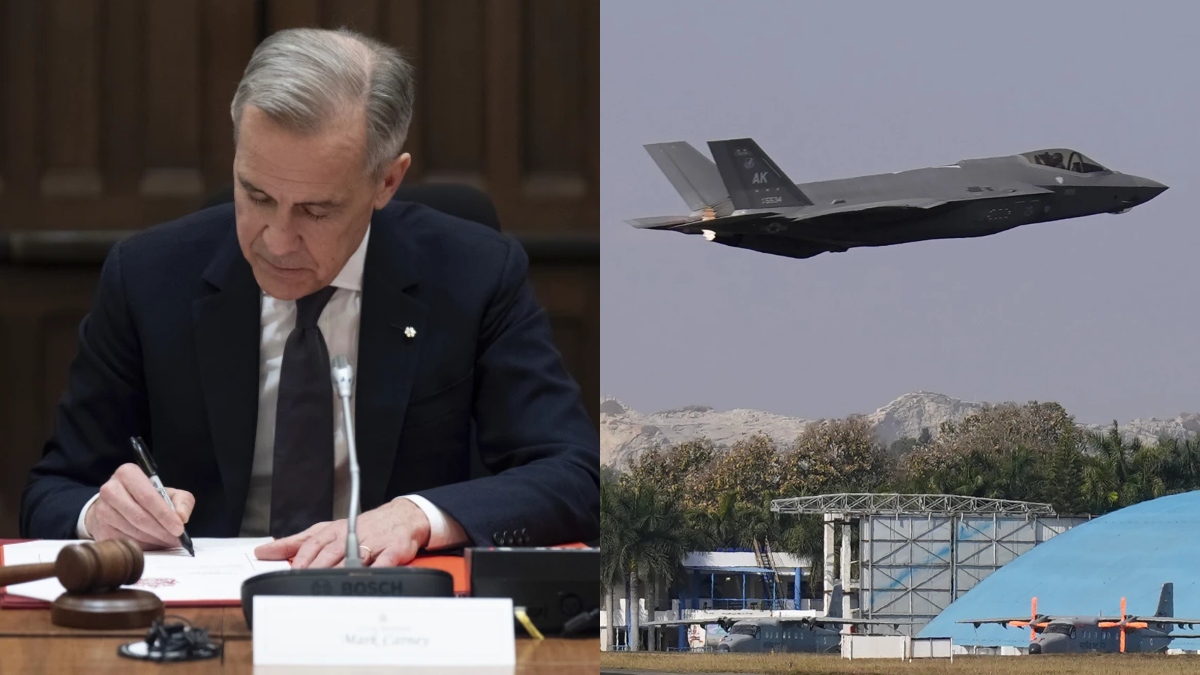
Analysts note this is not a momentary trade dispute but a fundamental recalibration. Canada is demonstrating a newfound willingness to use its resource wealth, industrial capacity, and geographic position to define its own strategic and economic path. The choice between the F-35 and Gripen has become a proxy for a larger question: continued deep integration within a U.S.-led framework or a pursuit of greater sovereign autonomy.
The outcome will redefine North American power dynamics for decades. A Canadian shift toward the Gripen would signal a historic decoupling in continental defense integration, fostering a domestic aerospace ecosystem but potentially straining t