**St. Louis: The Untold Saga of America’s Deadliest Streets**
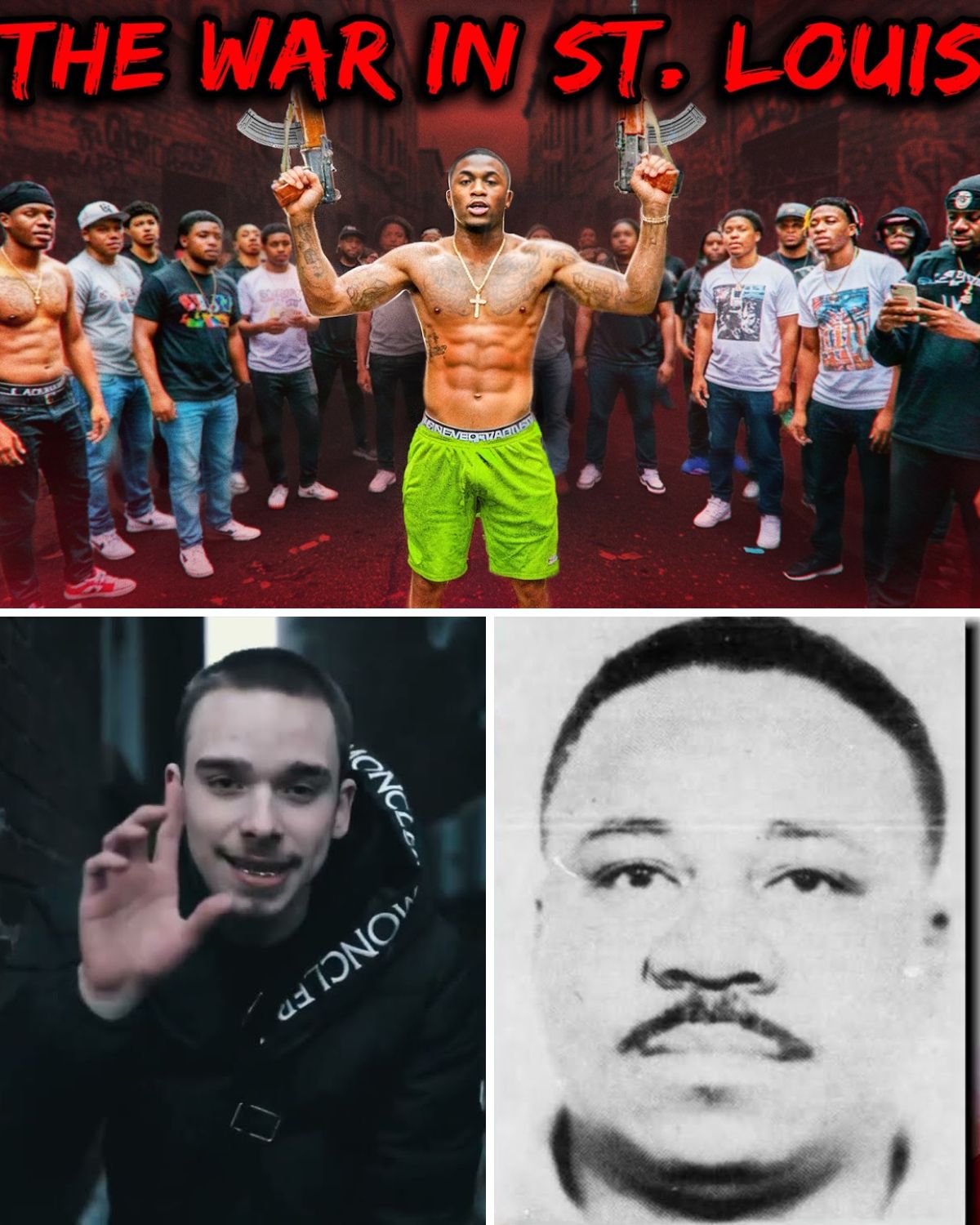
 In a chilling revelation that has the nation on edge, St. Louis emerges as a terrifying parallel to Chicago’s notorious “Chiraq,” with a violent underbelly that has left law enforcement and residents alike in a state of alarm. This city, just a few hours from the Windy City, is grappling with a surge in gang violence and drug-related homicides that have turned its streets into a battleground.
The saga of brutality is epitomized by figures like Adrien Lemons and Anthony Jordan, whose drug ring has been linked to at least 17 murders. Their connections to the Mexican cartel have intensified the threat they pose, with Jordan infamously documenting his violent escapades, including disturbing images taken in funeral homes of his victims.
 The criminal landscape in St. Louis is marked by a history of gang violence, with roots tracing back to the mafia’s grip on the city in the late 19th century. The violence escalated during Prohibition, leading to a cycle of bloodshed that has persisted for decades. As the city’s demographics shifted, drug trafficking became rampant, with notorious figures like Terry Joe dominating the heroin trade in the ’70s, only to meet a violent end themselves.
The contemporary drug scene is equally grim, with fentanyl flooding the streets. Recent arrests of high-profile dealers reveal the extent of the crisis, as law enforcement battles to regain control. The Five Boys, a prominent crew, faced significant crackdowns in 2024, resulting in lengthy prison sentences for their leaders after a raid uncovered a staggering cache of weapons and drugs.

Adding fuel to the fire, the murder of Michael Brown in Ferguson in 2014 ignited protests that left the city vulnerable to further violence, as police resources were stretched thin. This moment marked a turning point, allowing gangs to operate with impunity while the eyes of the nation were focused elsewhere.
 In the rap scene, artists like 30 Deep Grimy and CTS Lil Wick reflect the harsh realities of their environment through their music. Grimy’s rise in the drill rap genre has been fueled by his experiences with violence, while Lil Wick’s notorious shootout brought him both infamy and fame, illustrating the blurred lines between street life and artistic expression.
Yet, the narrative of St. Louis is not solely defined by its criminals. Figures like Jizzel Bucks and Lil Half have attempted to carve out a different legacy, intertwining community efforts with their music careers. However, their alleged involvement in the fentanyl crisis has cast a long shadow over their contributions, raising questions about the true cost of their success.
As the city grapples with its violent history and present, the question remains: Can St. Louis break free from the cycle of violence that has plagued it for generations? With crime rates fluctuating and a community yearning for change, the stakes have never been higher. The world is watching, and St. Louis must confront its demons or risk becoming a cautionary tale in America’s ongoing struggle with crime and violence.