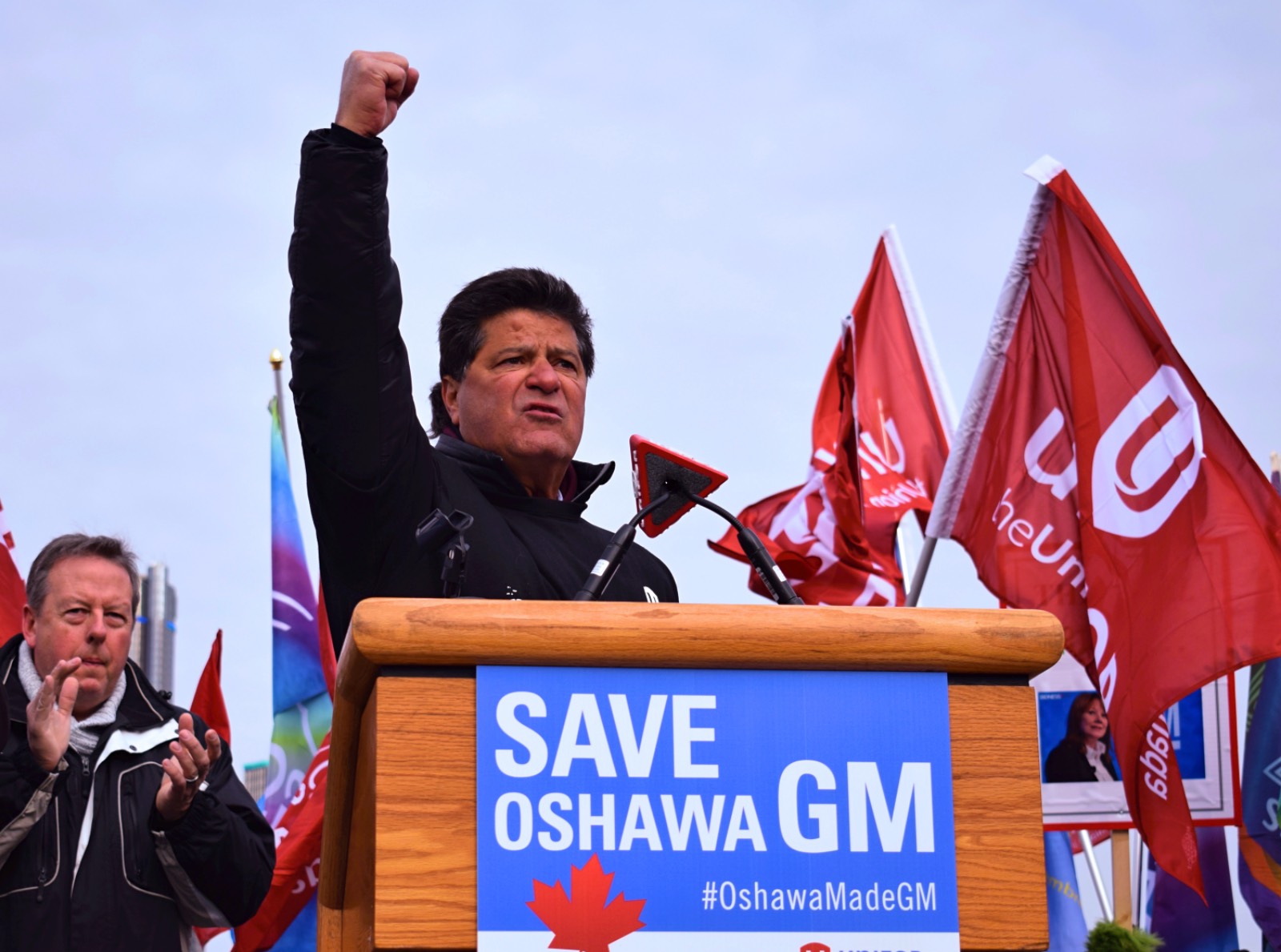
A quiet corporate announcement in Ontario has triggered a seismic shift in Canada’s economic sovereignty, sending shockwaves through the global auto industry and redrawing the lines of international trade. General Motors has officially terminated production of its BrightDrop electric delivery van at its plant in Ingersoll, Ontario, leaving more than 1,200 workers without the future they were promised. This decision, citing decreased demand, has upended lives and shattered the symbol of Canada’s modern manufacturing vision.

The closure represents a profound betrayal for a workforce that believed it was building a sustainable industrial future. Workers who dedicated careers to the production line now face mortgages, education costs, and retirement plans in jeopardy. The plant, once heralded as a key hub in GM’s electric vehicle strategy, now sits silent, its gates closed permanently with no restart plan or redeployment program for employees.For months, GM’s communications shifted from assurances to vague updates, culminating in a firm, unexpected termination. This pattern of prolonged silence and broken commitments, however, has met an unprecedented response from the Canadian government. The fear of job losses, long a tool for corporate negotiation, has finally ceased to dictate policy.
In a calibrated and powerful move, the federal government activated a new legal mechanism designed for this exact scenario. Industry Minister Mélanie Joly and Finance Minister François-Philippe Champagne announced that GM and Stellantis had failed to meet commitments to workers and Ottawa. The consequence was immediate and severe under the new Auto Remission Framework.
GM instantly lost nearly 25% of its duty-free import quota into Canada. A 25% tariff now applies to every GM vehicle built in the United States and shipped north, raising the price of a $45,000 car to over $56,000 overnight. Stellantis was hit harder, losing half its quota with a warning of stricter measures. The financial impact reached corporate headquarters within hours.
This framework marks a watershed moment, ending decades of defensive negotiation. Canada has shifted from pleading for investment to asserting clear, enforceable leverage. The rules are transparent and independent, governed by law rather than political pressure. The uncertainty now rests squarely with corporations, not Ottawa. The message was unmistakable access to the Canadian market is contingent on honoring production commitments. Following the tariff imposition, GM urgently requested a meeting with officials it had previously ignored. Minister Joly delivered a clear directive within 15 days, GM must present a concrete production plan for Ingersoll, including model, timeline, and restart roadmap.

Vague promises are no longer acceptable. Failure to comply means the tariffs remain indefinitely. This ultimatum has reverberated across the industry, forcing Ford and Chrysler to reassess their own Canadian operations and commitments. The assumption of Canadian leniency has been shattered. For the community of Ingersoll, the policy brings a restored sense of dignity and the prospect of stable jobs defended. The government’s decisive action demonstrates a willingness to protect the backbone of national industry, signaling that workers are not mere line items on a corporate spreadsheet.

The implications extend far beyond automotive manufacturing. Workers in energy, aerospace, and pharmaceuticals are watching closely, recognizing a potent precedent for future negotiations with global giants. Canada has fundamentally altered its posture on the world stage.
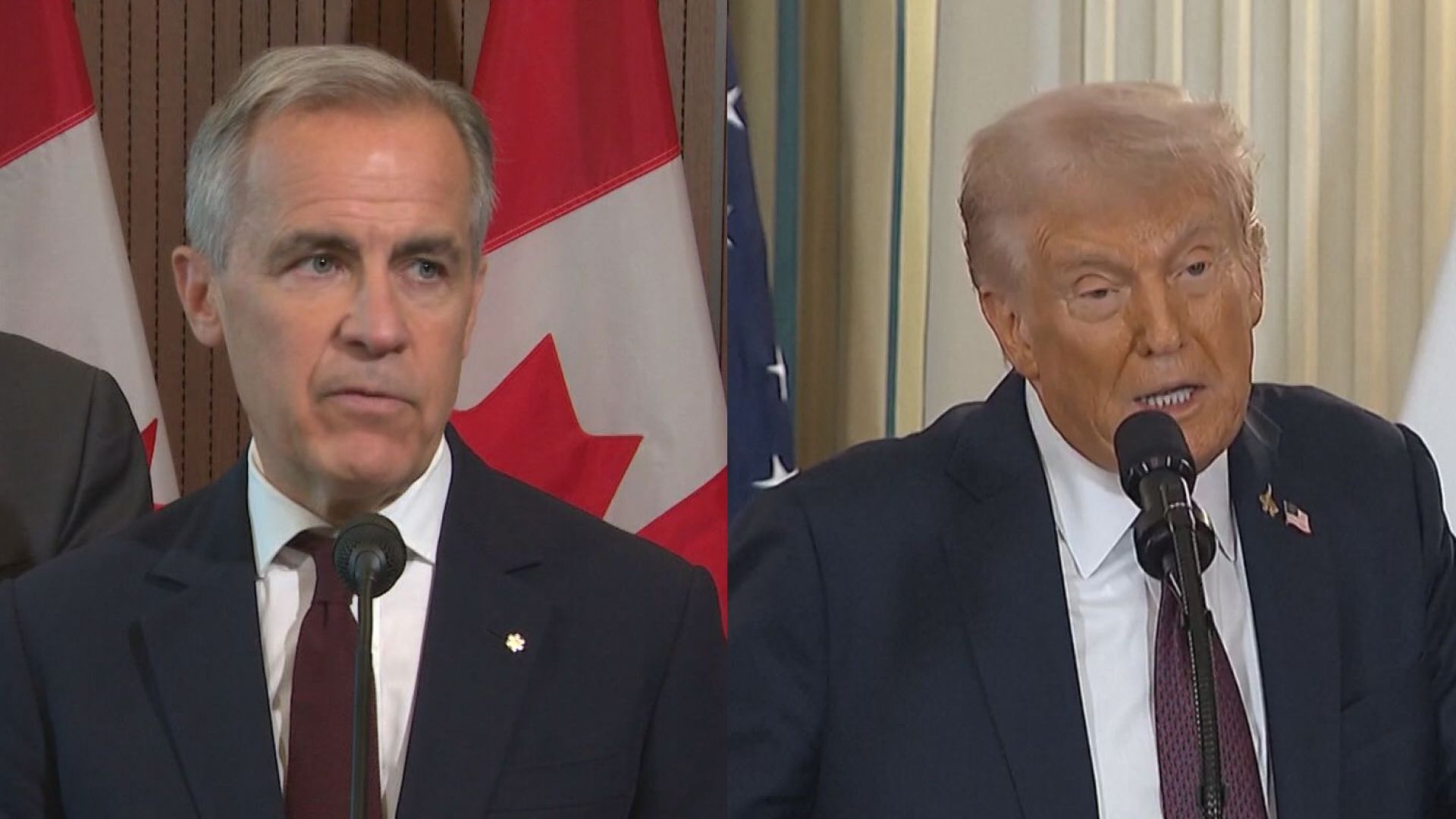
This assertive stance coincides with a dramatic recalibration of Canada’s global trade relationships. Frustrated by unpredictable tariffs and halted negotiations with the Trump administration, Ottawa is being pushed toward pragmatic engagement with a former adversary China.At the recent APEX summit, Prime Minister Mark Carney held a landmark 40-minute meeting with President Xi Jinping, the first leader-level exchange in eight years. Described as a significant turning point, it signals a commitment to restoring economic cooperation and includes plans for an official visit to China.
Domestic political voices reflect this strategic pivot. Ontario Premier Doug Ford, a frequent critic of U.S. trade tactics, has publicly called for a more stable trade relationship with China. Beijing has responded with goodwill signals, offering to lift tariffs on Canadian canola if Ottawa reconsiders its policies on imported electric vehicles.Public opinion is shifting alongside policy. Recent surveys indicate Canadians increasingly view the United States as a greater economic threat than China, driven by frustration over recurring tariffs that harm domestic industries. This sentiment is driving a reevaluation of traditional alliances.

Experts describe this not as an ideological shift but a necessary survival strategy in a volatile global economy. The goal is diversification to protect national interests, not unconditional trust. Professor Lynette Ong of the University of Toronto calls it a pragmatic adjustment to global volatility.Navigating this new path is fraught with complexity. Deepening ties with China will inevitably increase pressure from Washington, requiring Ottawa to proceed with careful, steady, and clear-eyed diplomacy to maintain a fragile balance. Canada stands at the center of a geopolitical chessboard where every move carries decades of consequence.The 15-day deadline for GM’s production plan now looms as a critical test. The company must prove its past commitments were more than corporate rhetoric. Its response will determine not only the fate of the Ingersoll plant but also set the template for how all multinational corporations operate in Canada.

What began as a plant closure has culminated in a powerful assertion of economic sovereignty. Canada has demonstrated it will no longer be swayed by corporate threats, defending its industrial base with rules, not rhetoric. The nation has decided what kind of economy it wants, and it is enforcing that vision with determined, unflinching resolve.