A historic diplomatic crisis has erupted between the United States and Canada, triggered by incendiary remarks from former President Donald Trump and exposing the profound fragility of one of the world’s most integrated economic relationships. The immediate political firestorm, marked by unified condemnation across the Canadian political spectrum, signals a dangerous escalation in bilateral tensions with direct consequences for millions of workers and consumers.
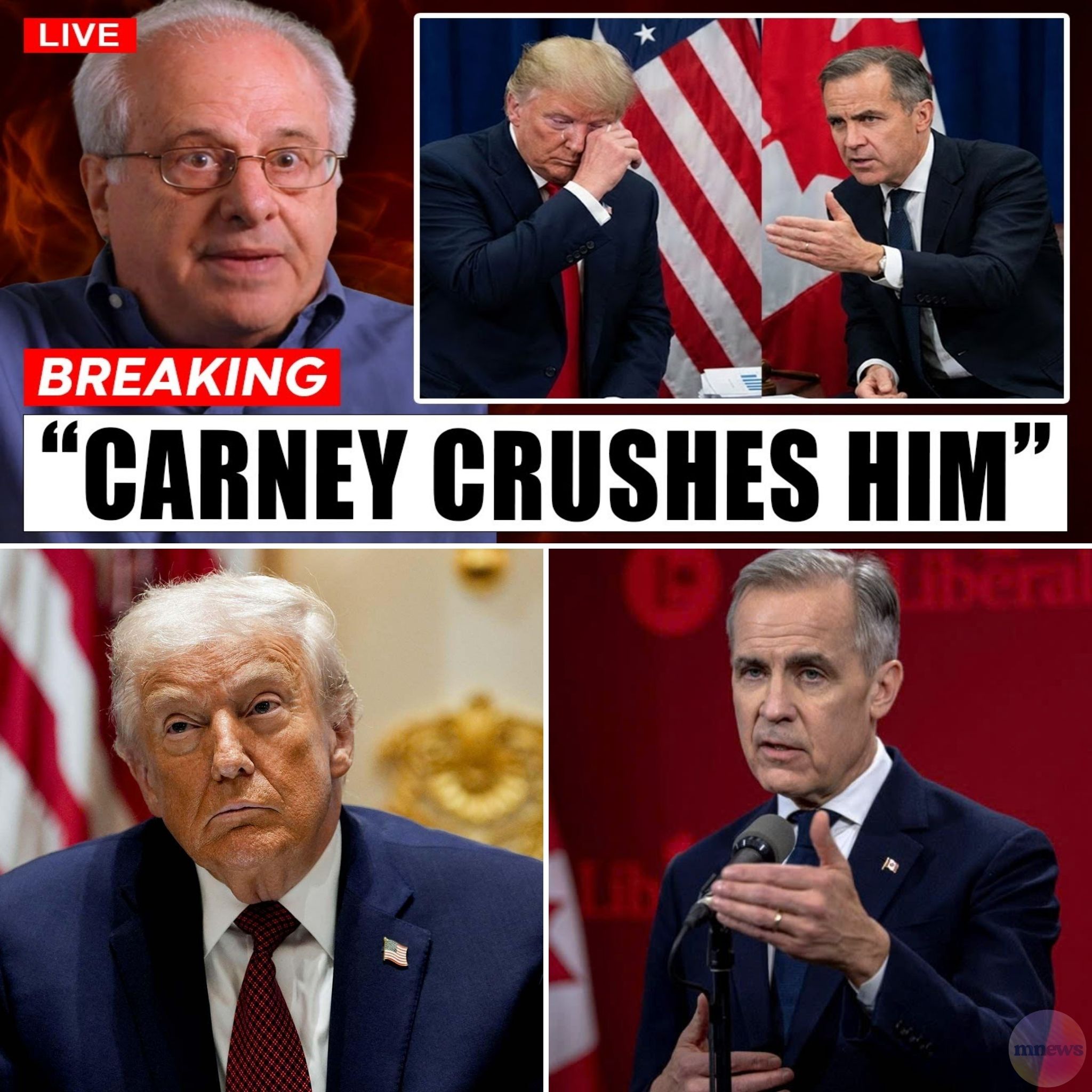
The spark was a series of comments from Trump framing Canada as an economic adversary that has taken advantage of the United States through unfair trade arrangements. He suggested the U.S. should use its leverage more aggressively, a rhetoric interpreted in Ottawa as a direct economic threat. The reaction was instantaneous and severe, transcending Canada’s typical political divisions.
Politicians, business leaders, and citizens voiced outrage at what they perceived as a destabilization of a foundational alliance. This unified front underscores a critical reality: the backlash is not about a mere diplomatic slight but a defense of an economic stability built over decades. The response was a necessary signal to markets and citizens that national interests would be fiercely protected.
Beneath the political theater lies a deep, mutual dependency that makes this confrontation so volatile. Over $2 billion in goods and services cross the border daily, supporting interconnected supply chains in automotive manufacturing, agriculture, and energy. A vehicle assembled in Michigan may contain parts that cross into Ontario multiple times before completion.
This integration means political rhetoric directly impacts household budgets and job security. When trust erodes, corporations recalibrate investments, supply chains tighten, and costs are passed down to workers and consumers. The shockwaves from this dispute will manifest in delayed projects, hiring freezes, and price increases long after the headlines fade.
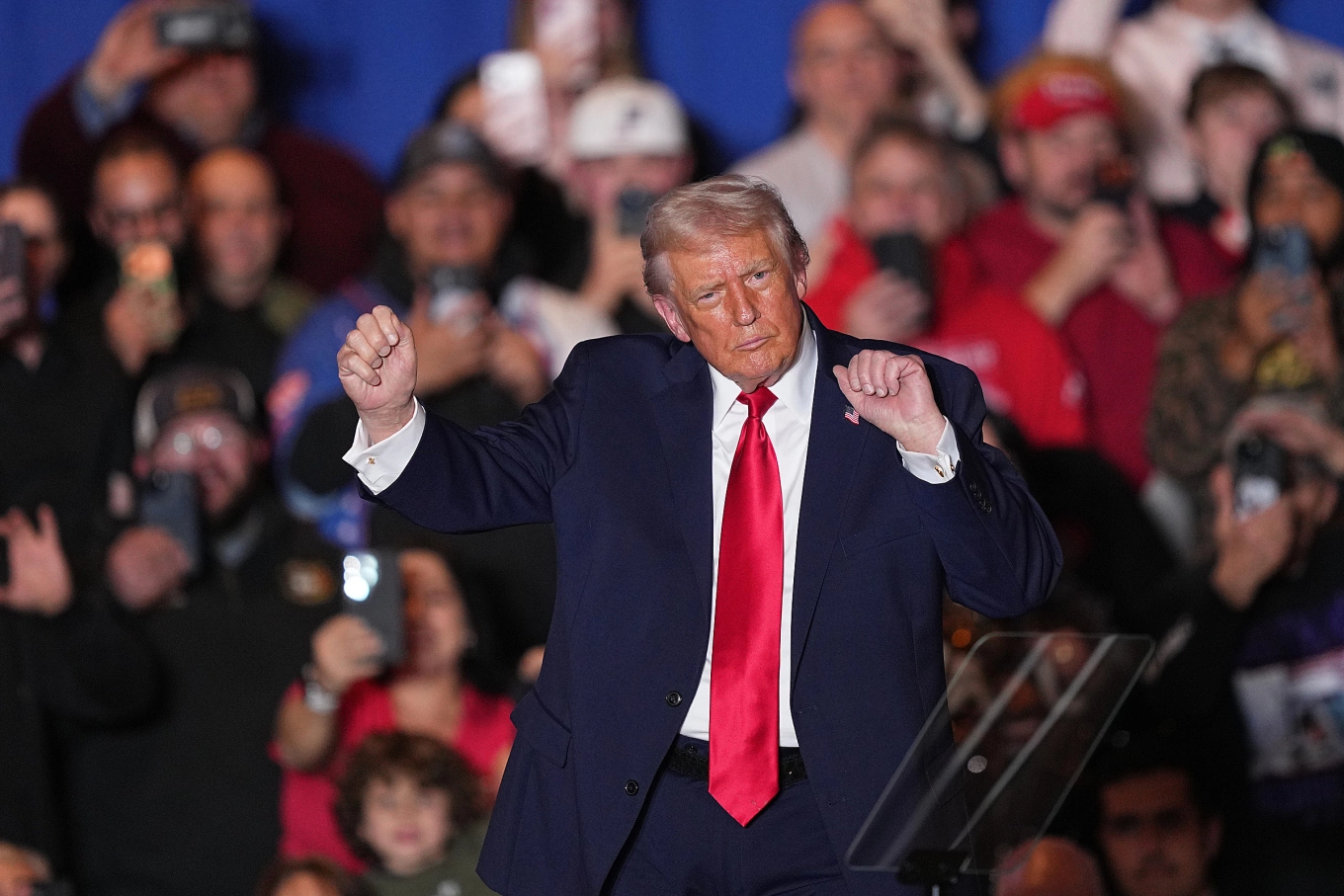
The intensity of Canada’s reaction stems from an acute awareness of this vulnerability. As the smaller economic partner, Canada’s industries are disproportionately reliant on access to the U.S. market. Any hint that this access could be weaponized forces an immediate, forceful public rebuttal to prevent markets from interpreting silence as weakness and vulnerability.
Conversely, Trump’s comments resonate with a significant domestic American audience grappling with economic anxiety. The narrative of being exploited by global partners taps into genuine frustrations over stagnant wages and lost manufacturing jobs, even if the complexities of trade defy simple explanation. Two populations are now talking past each other, reacting to different wounds inflicted by the same globalized system.
This crisis reveals an uncomfortable truth: the alliance has always been shaped by economic hierarchy as much as friendship. The current tension exposes how modern capitalism depends on predictability, and how quickly that foundation can shake. Business planning, supply chain logistics, and family livelihoods are structured around an assumption of stability now thrown into question.
The conflict is also a stark example of domestic political pressures being exported. Faced with voters angry over cost-of-living crises and inequality, leaders often find it easier to blame an external partner than confront entrenched domestic economic failures. International drama becomes a distraction, while the underlying structures creating insecurity remain unchallenged.

Ultimately, this is more than a diplomatic spat; it is a class conflict with international staging. The real power lies with multinational corporations and financial markets that operate across borders, not solely with national governments. When tensions rise, executives and investors may leverage the chaos for concessions, while workers face the immediate risks of layoffs and uncertainty.
The human cost is already being calculated in factory towns and farming communities on both sides of the border. For them, this political flare-up translates directly into anxiety over next week’s shift, the viability of this season’s crop, or the rising price of essential goods. Their economic security is held hostage to rhetoric they did not create.
This moment is a symptom of a global pattern where economic insecurity fuels nationalist rhetoric, straining the international cooperation upon which prosperity depends. As both nations perform strength for their domestic audiences, they highlight a painful paradox: their economies are irrevocably interdependent, yet their politics increasingly demand the illusion of total autonomy.
The path forward requires moving beyond symbolic posturing to address the shared vulnerabilities of integrated supply chains and the common domestic inequalities fueling this discord. Without this, the fragile architecture of North American economic stability will remain perpetually at risk, awaiting the next spark to ignite another, potentially more damaging, crisis.