There are places on Earth so remote, so hostile, and so cut off from the rest of humanity that once you cross their invisible boundaries, return is never guaranteed. These are not merely distant locations on a map. They are realms where nature dominates completely, where isolation becomes a force of survival, and where human presence is often unwelcome—or deadly.
From frozen deserts that resemble alien planets to islands where contact means death, these places exist at the edge of what life can endure. Exploring them reveals not only the extremes of our planet, but also the limits of human ambition.
Devon Island, Canada — Earth’s Closest Thing to Mars

Devon Island is the largest uninhabited island on Earth, a frozen wasteland of rock, ice, and silence. Its barren terrain mirrors the surface of Mars so closely that NASA uses it to test equipment for future space missions.
Temperatures plunge, storms appear without warning, and rescue is never immediate. On Devon Island, survival depends entirely on preparation. One mistake can mean being stranded in a landscape that offers no mercy.
North Sentinel Island, India — The Island That Rejects Humanity
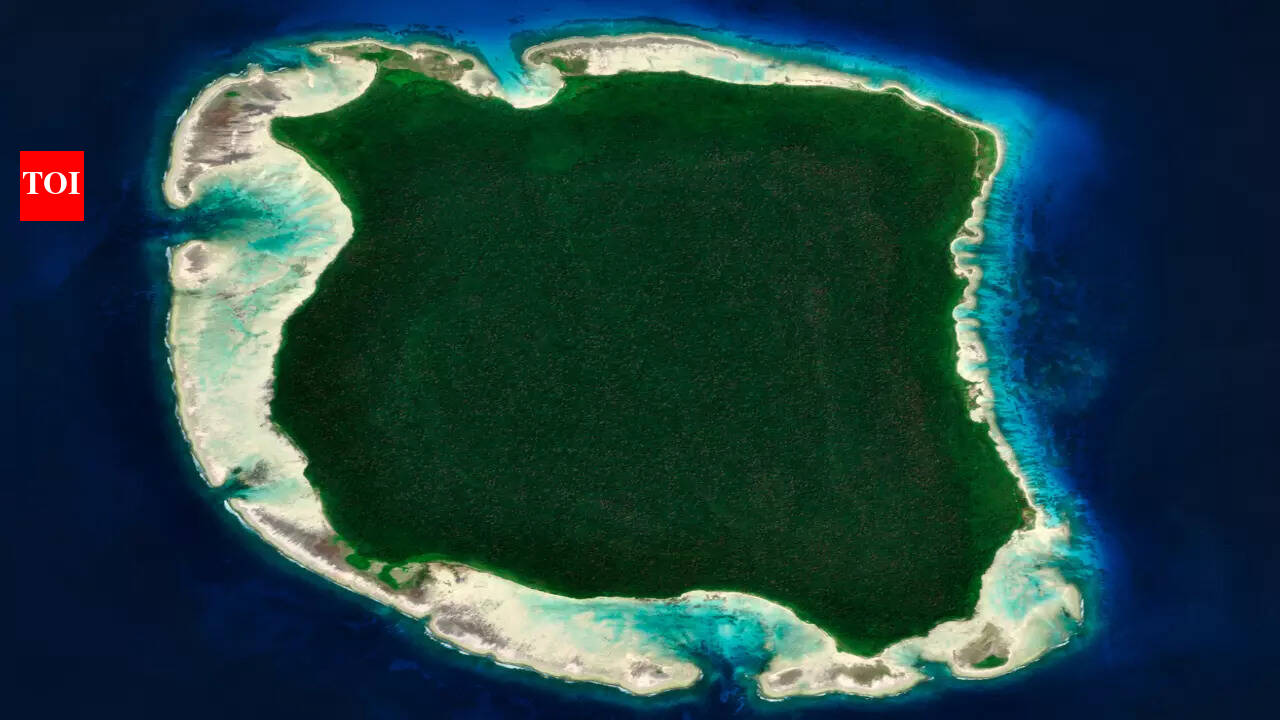
Hidden in the Bay of Bengal lies North Sentinel Island, home to the Sentinelese people, one of the last uncontacted tribes on Earth. They have lived in isolation for more than 60,000 years and defend their territory with lethal force.
Modern society learned this the hard way in 2018, when an American missionary attempted contact and was killed shortly after landing. The message was unmistakable: this is a world that does not want to be found.
Surtsey Island, Iceland — A New World Under Lock and Key
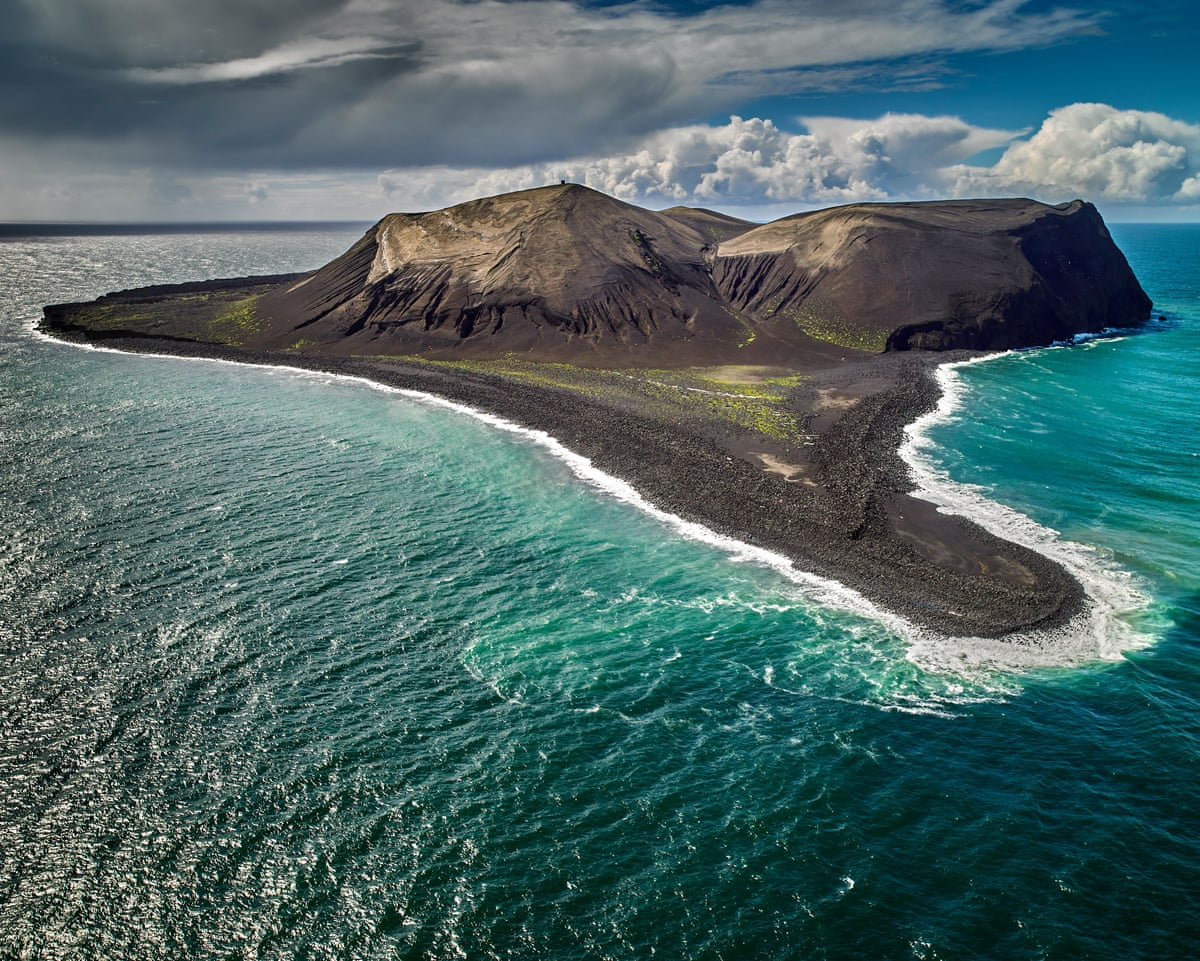
Born from violent volcanic eruptions in 1963, Surtsey Island rose from the ocean as a blank slate of rock and ash. Today, it is one of the most restricted places on Earth.
Scientists are allowed to visit under strict controls to study how life emerges from nothing. No tourists are permitted. No contamination is tolerated. Surtsey exists as a rare glimpse into the birth of ecosystems—and how fragile they are.
The Danakil Depression, Ethiopia — A Landscape That Feels Like Hell
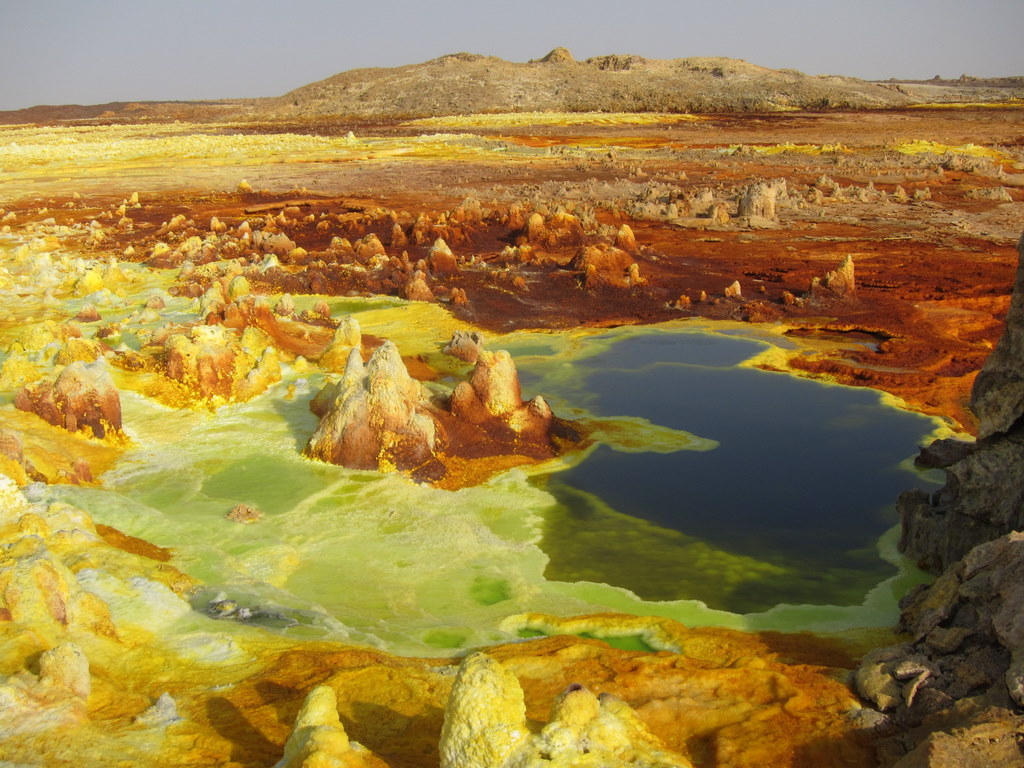
With temperatures exceeding 120 degrees Fahrenheit, toxic sulfur springs, and acidic lakes, the Danakil Depression looks less like Earth and more like another planet.
Yet life exists here. Microorganisms thrive where nothing else can, offering clues about how life might survive on other worlds. For humans, however, the region is brutally unforgiving, where dehydration, heat, and poisonous gases pose constant threats.
Pitcairn Islands — Isolation with a Dark Past
The Pitcairn Islands are home to the descendants of the HMS Bounty mutineers. With a population of fewer than 50 people, the community lives thousands of miles from the nearest major landmass.
While the setting appears idyllic, the islands’ history is marked by scandal, crime, and long-standing social tensions. Isolation here is not peaceful—it magnifies every human flaw.
Snake Island, Brazil — Where One Bite Is Enough
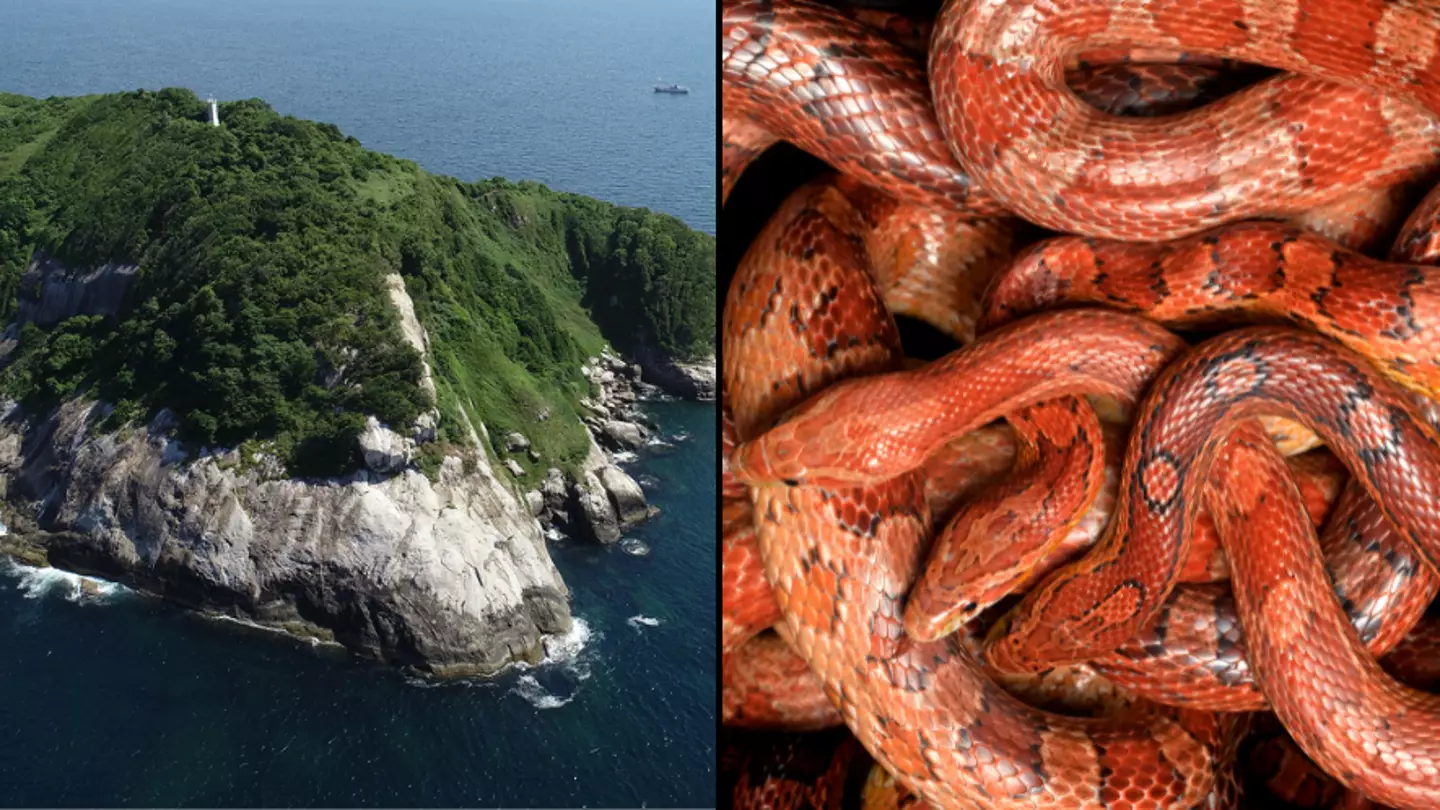
Ilha da Queimada Grande, better known as Snake Island, is home to one of the densest populations of venomous snakes on Earth. The golden lancehead pit viper, found almost nowhere else, carries venom powerful enough to kill within hours.
The Brazilian Navy strictly forbids civilian access. On this island, nature has claimed absolute control, and humans are simply not welcome.
Sarisarinama Mountain, Venezuela — The Sinkholes of the Unknown
This remote mountain hides enormous sinkholes plunging deep into the Earth, each one containing isolated ecosystems that have evolved separately for thousands of years.
Few scientists have ever descended into them. For local indigenous communities, the mountain holds spiritual significance, believed to be a gateway between worlds. Science has barely scratched the surface of what lies below.
Heard and McDonald Islands — Untouched by Humanity
Among the most remote places on Earth, these islands in the Indian Ocean are dominated by glaciers, volcanoes, and violent seas. No permanent human settlement exists here.
They stand as a reminder of what the planet looked like before humans—and how powerful nature remains when left undisturbed.
The Javari Valley, Amazon — Where Time Stands Still

Deep within the Amazon rainforest lies the Javari Valley, home to multiple uncontacted tribes. The region is fiercely protected, not only by its inhabitants but also by the sheer difficulty of access.
Illegal logging and poaching threaten this fragile sanctuary, turning it into a frontline battle between ancient ways of life and modern exploitation.
The Mariana Trench — The Deepest Place on Earth
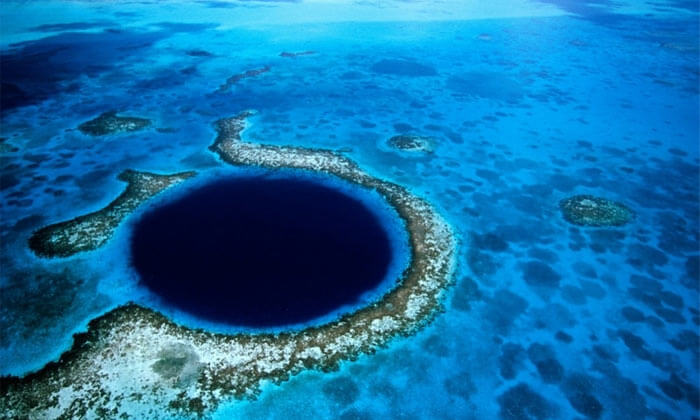
The Mariana Trench descends nearly seven miles beneath the ocean’s surface. Here, pressure is so intense it would crush a human instantly.
Yet life exists. Strange, alien-like creatures survive in total darkness, adapted to conditions we once believed were impossible. Each expedition reveals how little we truly know about our own planet.
Palmerston Island — A Family Isolated From the World
This tiny island in the Cook Islands is home to a population descended from a single ancestor. Over generations, isolation has shaped their genetics, culture, and way of life.
Modern technology is minimal. Life revolves around the ocean and the land, a reminder of how isolation reshapes humanity itself.
Adak, Alaska — A Town the World Left Behind

Once a critical military base, Adak is now largely abandoned. Harsh weather, isolation, and economic collapse have turned it into a ghost town.
Nature is slowly reclaiming the land, erasing the traces of human ambition left behind.
Villa Las Estrellas, Antarctica — Life at the End of the World
This small settlement exists in one of the coldest, most isolated places on Earth. Extreme cold, months of darkness, and total isolation define daily life.
Residents undergo medical procedures before arriving, as evacuation during winter is impossible. Once there, you are truly on your own.
Cape York, Australia — The Last Frontier
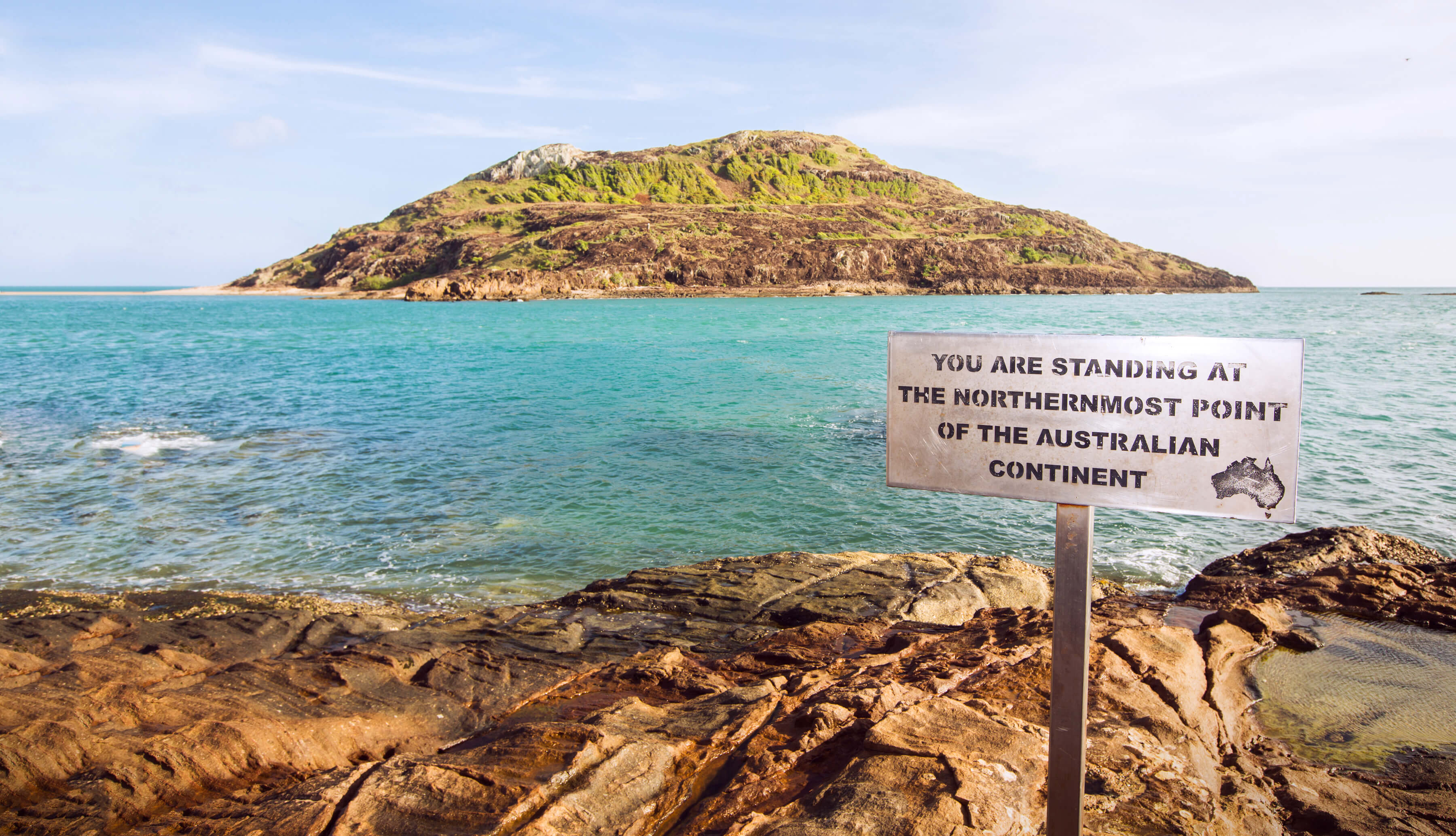
Vast, wild, and sparsely populated, Cape York remains one of Australia’s most remote regions. Its ecosystems and indigenous cultures have survived largely untouched by modern development.
Here, distance itself is a barrier, preserving a fragile balance between humanity and nature.
Tristan da Cunha — The Most Remote Community on Earth
Thousands of miles from any continent, Tristan da Cunha is the definition of isolation. Ships arrive only a few times a year, weather permitting.
The community survives through cooperation, resilience, and acceptance of a life cut off from the rest of the world.
Hidden Valleys of Tibet — Where Myth Meets Reality
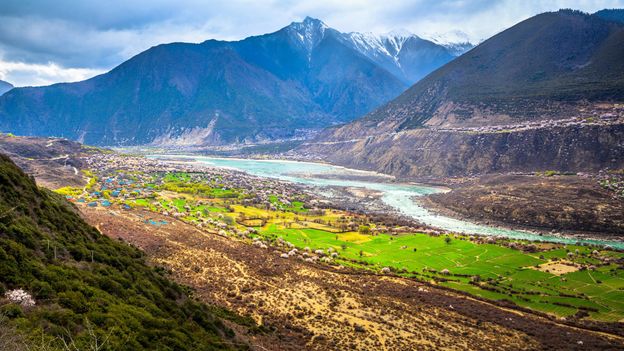
Legends speak of hidden valleys in regions like Maydog County, places once thought unreachable. As access slowly improves, scientists are discovering unique biodiversity and deep spiritual traditions.
These lands blur the line between geography and myth, reminding us why humans are drawn to the unknown.
The Final Truth About Isolation
These places exist beyond convenience, beyond comfort, and often beyond rescue. They challenge our understanding of survival, resilience, and humility.
Despite all our technology, there are still corners of Earth that resist us—places where nature, culture, and mystery remain in control.
And perhaps the most unsettling realization of all is this:
Some places on Earth were never meant to be reached… and once you do, there may be no way back.