Federal agents stormed the Memphis-area home of rapper Pooh Shiesty in a dramatic pre-dawn raid, executing arrest and search warrants just days before the artist was scheduled to complete his federal supervised release. The operation, involving FBI and Tennessee Bureau of Investigation agents who deployed flashbang grenades, targeted a Cordova property owned by Lantrell Williams, the government name shared by the rapper and his father, throwing his hard-fought freedom into immediate jeopardy.

The raid early Tuesday morning marks a stunning reversal for the 1017 Records artist, born Lantrell Denell Williams Jr., who was released to a halfway house in October 2025 after serving time on federal firearms conspiracy charges. His full release from federal supervision was slated for April 11, a mere ten days away, making the timing of this aggressive law enforcement action particularly severe.
Details remain fluid, with no official confirmation yet on who was taken into custody. The dual nature of the warrants and the shared name on the property deed leave open critical questions: were agents targeting the chart-topping rapper, his father, or both? This ambiguity underscores the serious and complex nature of the investigation now unfolding.
Pooh Shiesty’s rapid rise from Memphis streets to mainstream fame was abruptly halted by federal prosecution. After a 2022 guilty plea related to a Florida shooting incident, he was sentenced to over five years in prison. His early release last fall was followed by a celebrated comeback, capped by his single “FDO (First Day Out)” reaching No. 12 on the Billboard Hot 100 this January.
His recent freedom, however, was conditional. He was enrolled in a Residential Re-entry Management program under the Dallas field office, requiring him to remain under strict federal supervision with limitations on travel and conduct. Public social media activity appearing to show him outside his approved district had already sparked speculation about potential violations.
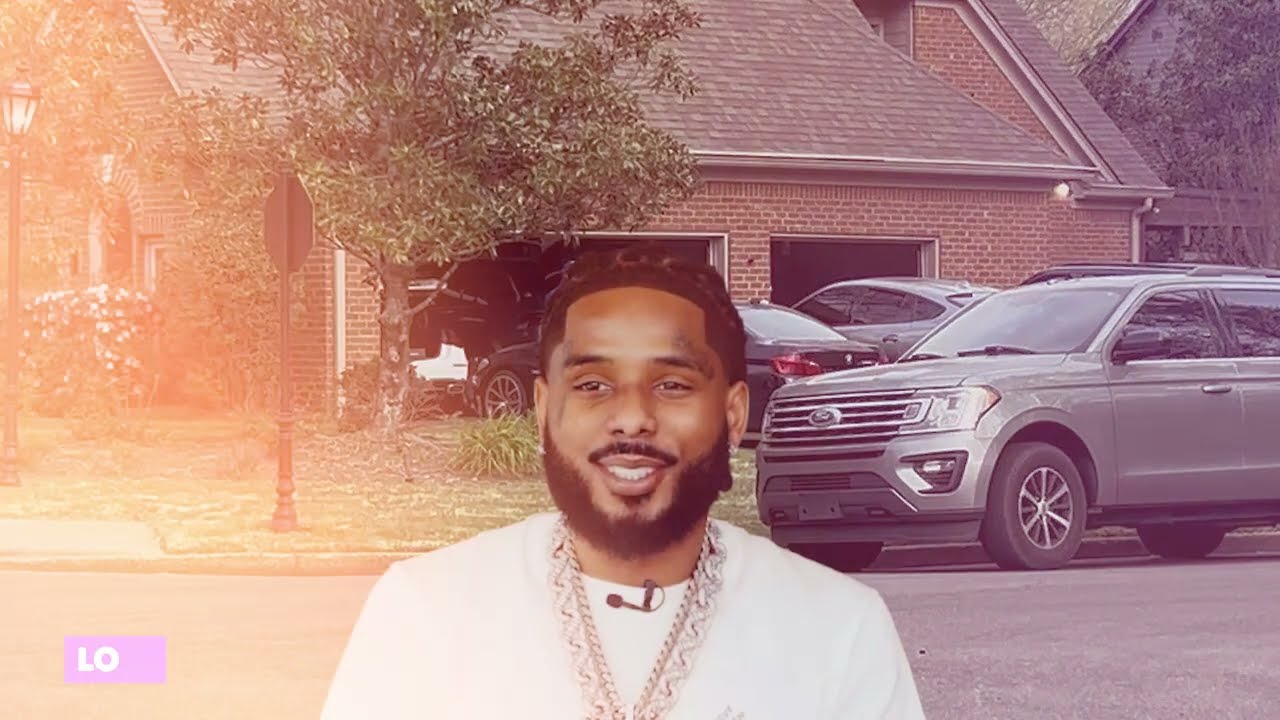
The situation intensified just days before the raid when Shiesty publicly addressed snitching allegations online. In a since-viral video, he displayed and discussed his federal indictment paperwork, a bold move for someone still under the jurisdiction of the court. Legal analysts suggest such actions could draw renewed scrutiny from prosecutors and supervision officers.
The execution of a federal arrest warrant at a residential property is a grave escalation. It signifies prosecutors have presented probable cause of a new crime or a serious violation of release terms to a federal magistrate. Given Shiesty’s prior conviction for firearms conspiracy, any new federal charges would carry devastating potential penalties.
The use of flashbangs and a multi-agency presence indicates authorities anticipated potential resistance or the destruction of evidence. This level of operational planning suggests the investigation preceding the raid was substantial, possibly spanning weeks or months of surveillance and evidence collection.
Industry reaction has been one of shock and grim familiarity. The raid exemplifies the precarious reality facing artists on federal supervised release, where every public move is scrutinized. Shiesty’s very public attempts to reclaim his narrative may have inadvertently triggered the very system he was nearly free of.
The silence from his camp is deafening. Unlike a false arrest rumor in January 2026 that was quickly dispelled by his label and lawyer, no statements have emerged to clarify Tuesday’s events. This legal quiet suggests attorneys have advised all parties to refrain from comment amid a high-stakes situation.
At the core of this development is a brutal lesson in federal jurisprudence: supervision is not freedom. Individuals under federal watch live with severely curtailed rights and constant monitoring. A violation can swiftly return them to prison to serve the remainder of their original sentence, with additional time possible for new infractions.

The focus on the family home introduces another volatile element. If the investigation is centered on his father, Shiesty could still face severe collateral consequences. Merely being present at a location where illegal activity is suspected can be enough for federal charges, especially for someone with his criminal history.
This incident also casts a shadow over the mechanics of his original plea deal. Federal prosecutors often retain broad latitude to pursue further action if they believe a defendant has breached the agreement’s spirit. Any perceived failure to abide by release conditions could unravel the carefully negotiated terms that once spared him a life sentence.
As the hip-hop community grapples with the news, the broader conversation turns to the cycle of incarceration and re-entry. Shiesty’s story—explosive fame, dramatic fall, promising comeback, and now sudden peril—highlights the extreme difficulties of navigating life after a federal conviction, even with resources and fame.
The coming hours are critical. The government must formally disclose charges in court, revealing whether this stems from a new indictment, a supervised release violation, or both. The location of Shiesty’s custody and his initial court appearance will provide the first concrete answers in this unfolding legal drama.
One undeniable truth emerges from the Cordova raid: federal patience is strategic, not infinite. The Bureau of Prisons’ projected release date is an administrative marker, not a shield. When the government decides to move, it does so with overwhelming force, often at the moment when freedom seems finally within grasp.
The legacy of his 2021 hit “Back in Blood” and the triumphant narrative of “FDO” now collide with a harsh new reality. The flashbangs at dawn have replaced studio spotlights, and the path forward leads not to stages but to a federal courtroom. His future in music and liberty now hangs on the contents of a warrant few have seen and the decisions of prosecutors who have already secured one conviction against him.
This story is developing rapidly. The industry, fans, and legal observers await official word from the U.S. Attorney’s Office. The silence from Tennessee is temporary, but its eventual breaking will determine whether Pooh Shiesty’s comeback story has reached its final chapter or is facing its most difficult verse yet.