A nearly 2,000-year-old manuscript fragment, rendered unreadable by time and damage, has been deciphered using artificial intelligence, revealing a startlingly direct passage on resurrection that challenges long-held scholarly assumptions about the development of this core religious concept. The breakthrough, announced today by an international research consortium, centers on a torn piece of Aramaic parchment from the late Second Temple period, its letters faded to near-invisibility.
For decades, the fragment sat among the Dead Sea Scrolls collections, a tantalizing but silent artifact. Advanced imaging technology first captured every microscopic trace of ink and parchment texture, transforming the physical object into a high-resolution digital map. This data became the foundation for a revolutionary reconstruction process.

Researchers employed an AI model meticulously trained on thousands of known Semitic texts from the era between 200 BCE and 100 CE. The system analyzed the fragment’s surviving strokes and patterns, comparing them against vast linguistic databases of Aramaic grammar, vocabulary, and scribal conventions.
Where gaps existed—holes where entire words were lost—the AI predicted the most statistically probable missing characters based on contextual and grammatical structures. Multiple algorithmic runs consistently yielded the same restored wording, moving the result beyond guesswork into the realm of high-probability reconstruction.
The coherent passage that emerged has sent shockwaves through academic circles. Written in a compact, instructional style designed for memorization, the text describes resurrection not as a spectacular physical event but as a catalyst for profound internal transformation.
The language focuses on shifts in perception, the replacement of fear with courage, and the awakening of a new state of understanding. This framing presents resurrection as a doorway to a transformed way of living, emphasizing spiritual formation over mere historical proclamation.

Paleographic analysis, enhanced by AI-assisted script comparison, dates the handwriting to between 50 BCE and 50 CE. This places the fragment squarely in a volatile period when ideas about resurrection and renewal were actively evolving within various Jewish communities, decades before many later theological writings became standardized.
“This isn’t a later theological summary; it’s a snapshot of a living teaching from the crucible of the Second Temple period,” stated Dr. Lev Ari, the project’s lead epigrapher. “The direct, practical language suggests these ideas were being discussed and taught in communities as a form of guidance for daily life.”
The discovery gains further significance when viewed alongside preserved traditions in classical Ethiopic (Ge’ez) manuscripts. These texts, maintained for centuries in remote monasteries, describe a 40-day period of post-resurrection instruction focused on prayer, inner purification, and spiritual practice.
The thematic parallel with the AI-decoded Aramaic fragment is striking. Both traditions present resurrection as initiating a process of learning and disciplined living, rather than concluding with a single miraculous proof.
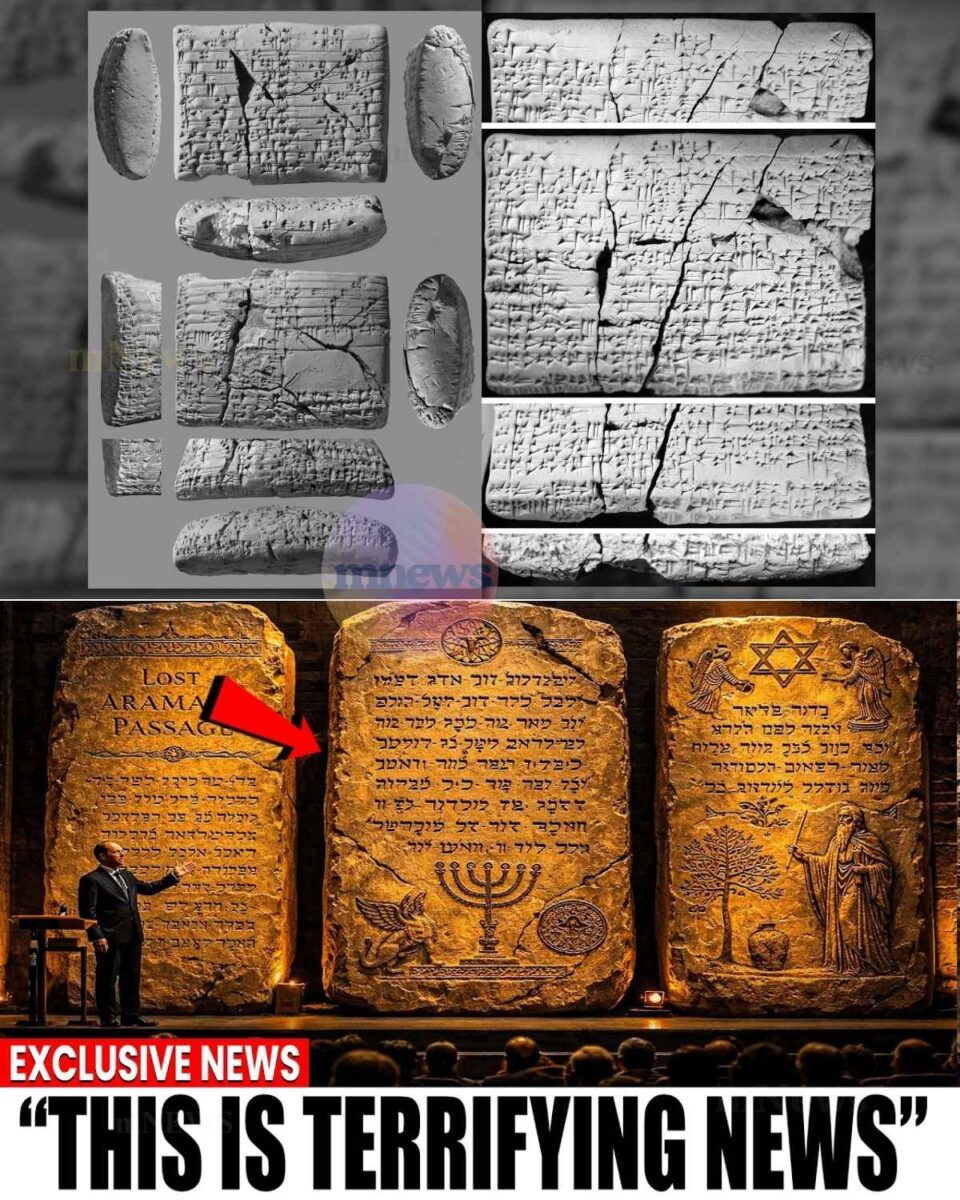
This cross-linguistic correlation suggests early Christian thought developed through multiple, parallel streams. Some communities emphasized narrative accounts, while others preserved teachings focused squarely on the personal and communal implications of transformed life after encountering resurrection belief.
The success of this project signals a new era for textual scholarship. Countless other damaged manuscripts, once considered permanently illegible, may now be candidates for similar digital reconstruction. Each could hold keys to understanding the diverse landscape of ancient religious thought.
The decoded fragment serves as a powerful reminder that history’s most pivotal ideas were often explored in everyday language long before they were formalized into doctrine. A combination of cutting-edge technology and persistent scholarship has effectively recovered a voice from the first century, changing our understanding of everything we thought we knew about ancient beliefs on life, death, and what comes after.