ATORE, Ala. — James Edward Barber, 64, was executed by lethal injection early Friday morning at Holman Correctional Facility, concluding a 22-year legal odyssey that encompassed a brutal murder, a profound act of forgiveness from the victim’s family, and a last-minute constitutional challenge to Alabama’s troubled execution protocol.
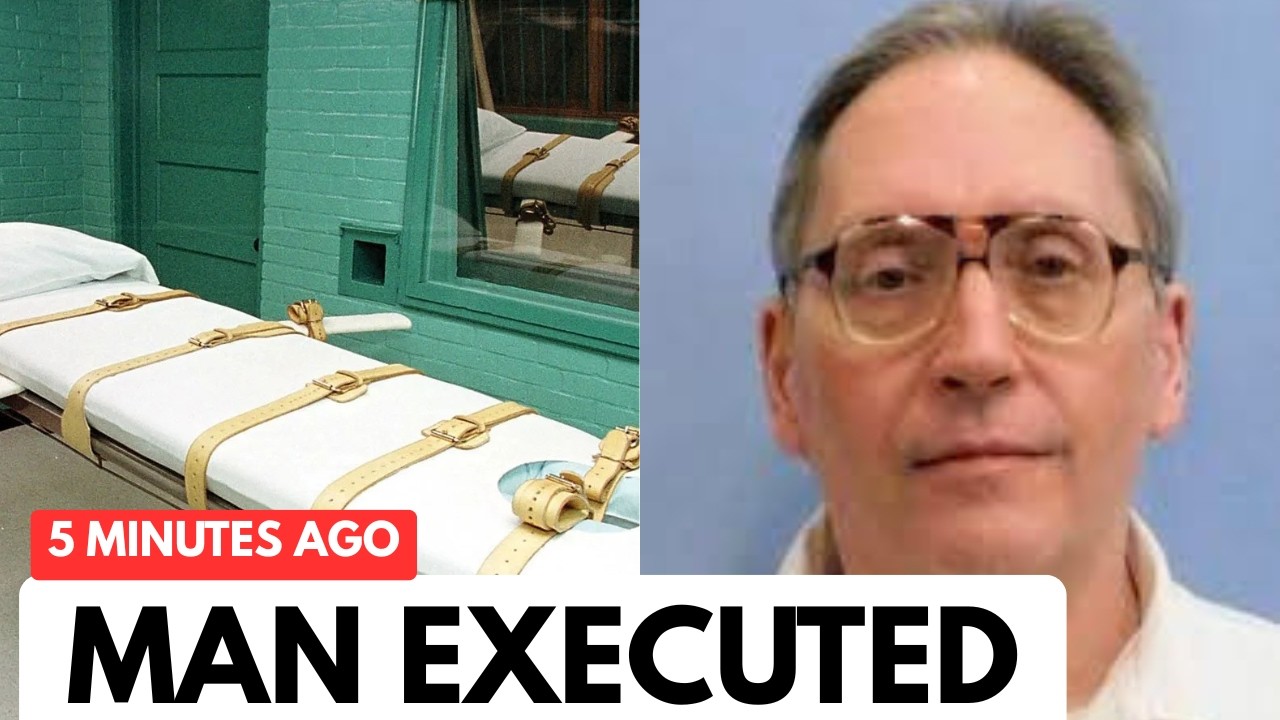
The execution proceeded at 1:56 a.m. after the U.S. Supreme Court, in a 6-3 decision, declined to grant a stay. Barber’s death marks Alabama’s first successful lethal injection since a series of high-profile failures in 2022 raised serious concerns about the state’s procedures.
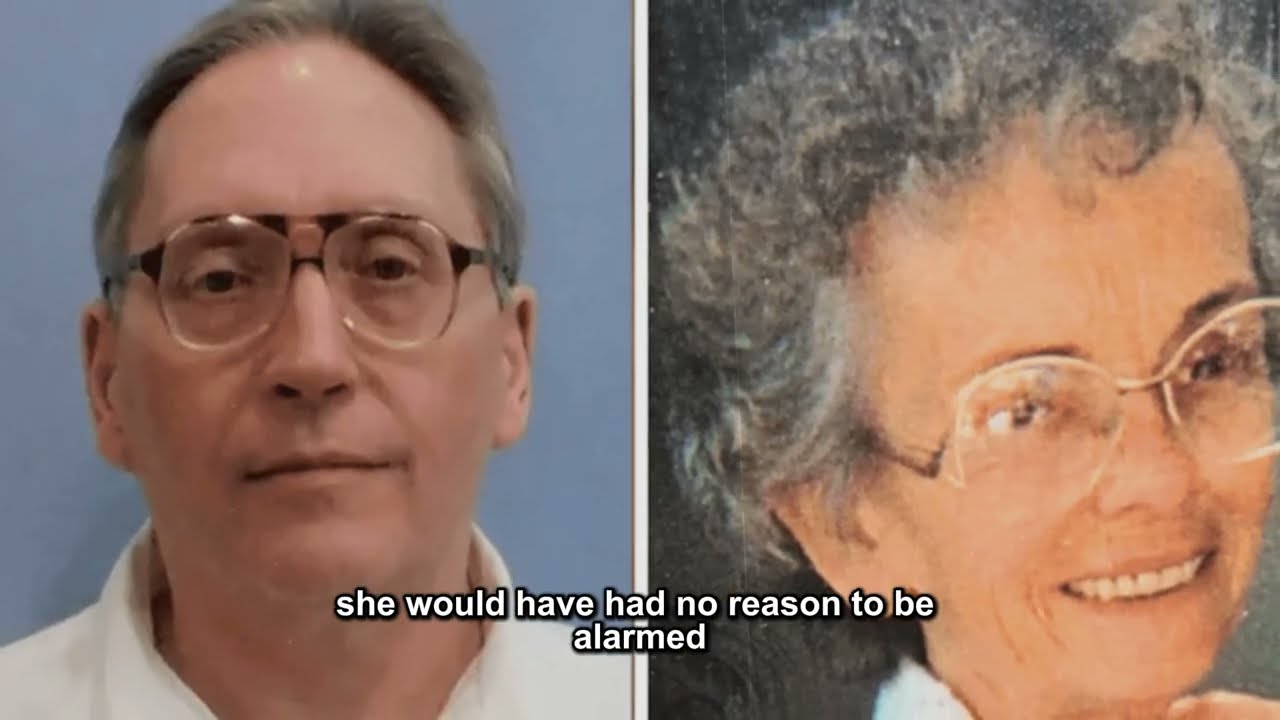
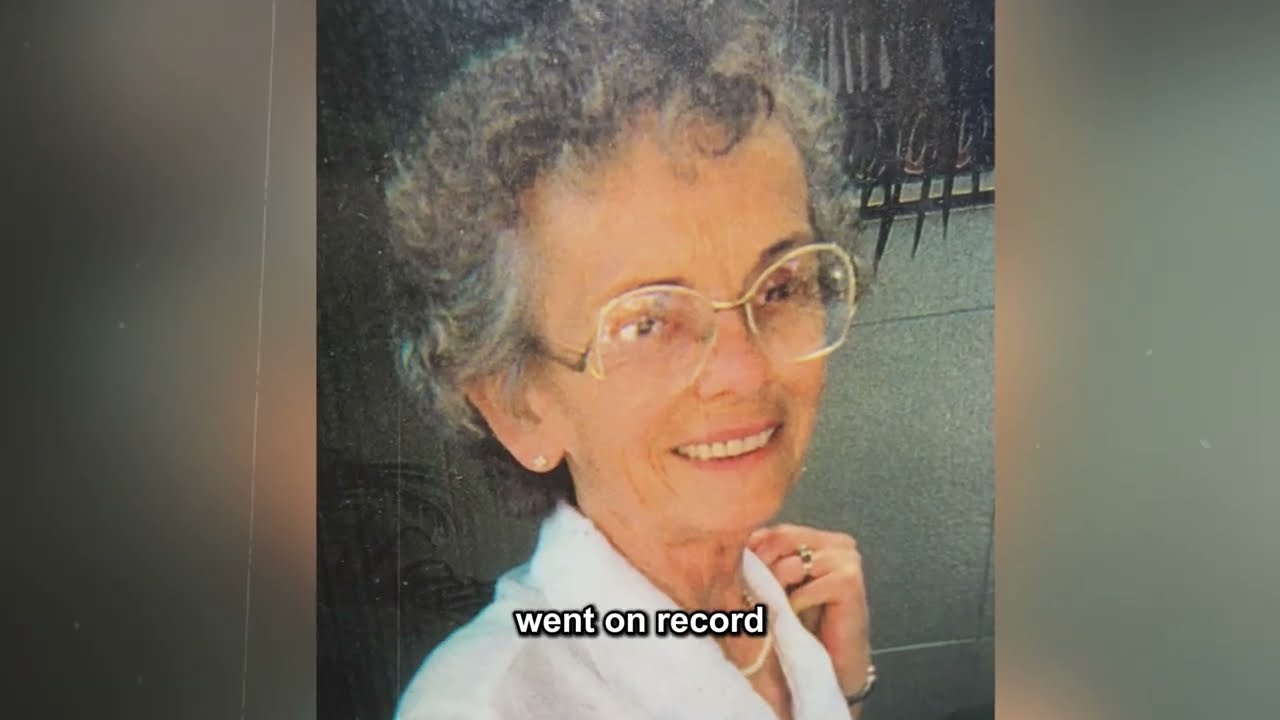
Barber was convicted for the May 2001 capital murder of 75-year-old Dorothy Eps in her Harvest, Alabama, home. Prosecutors said Barber, who had previously dated Eps’s granddaughter and done repair work for her, arrived at her door severely intoxicated. Once inside, he attacked the woman, who weighed approximately 100 pounds, during a violent struggle.
He fled with her purse and later confessed to investigators on camera. In that confession, he called his actions “senseless and stupid” and stated he deserved the death penalty. A Madison County jury convicted him and recommended death by an 11-1 vote, a sentence the judge imposed.
The case took a remarkable turn years later when Dorothy Eps’s granddaughter, Sarah Gregory, initiated contact with Barber on death row. She offered him her forgiveness, and the two developed a regular correspondence. Gregory later became a public opponent of his execution, stating his letter had given her “the final piece of freedom.”
In his final hours, Barber’s legal team mounted a fierce challenge not to his guilt, but to the method of his execution. They cited Alabama’s recent history of botched lethal injections, including a three-hour procedure and two others called off due to intravenous line access problems.
His attorneys argued that subjecting Barber to lethal injection, given the state’s record and the availability of the approved but unused nitrogen hypoxia method, constituted a substantial risk of severe pain and violated the Eighth Amendment.
Federal courts and ultimately the Supreme Court allowed the execution to proceed. In a dissenting opinion, Justice Sonia Sotomayor criticized the decision, calling it “another troubling example of this court stymying the development of 8th Amendment law.”
The execution, originally scheduled for 6 p.m. Thursday was delayed for hours by the final appeals. In the days prior, Barber received numerous visitors. He declined breakfast on his final day, later consuming a last meal of loaded hash browns, a western omelette, spicy sausage, and toast.
Witnesses reported an extraordinary scene in the holding area before he was moved to the execution chamber. Barber, along with spiritual advisers and supporters, sang “When the Saints Go Marching In” and “Amazing Grace,” with Barber leading a march around the room.
Strapped to the gurney in the execution chamber, Barber delivered his final statement shortly after 1:30 a.m. He addressed the Eps family first. “I love them,” he said. “I’m sorry for what happened. I truly am. I can’t apologize anymore. No words would fit.”
He then turned to state officials, specifically naming Governor Kay Ivey, and stated, “I forgive you for what you’re about to do.” A spiritual adviser remained at his side as the lethal drugs were administered.
The Alabama Department of Corrections reported the procedure was carried out without incident. Barber was pronounced dead at 1:56 a.m. Some witnesses present, however, described signs of physical distress during the process, accounts state officials disputed.
In a prepared written statement released posthumously, Barber wrote of his hope that the way he lived his life on death row would serve as a testimony to his remorse. “I don’t know if I’ve succeeded,” he wrote. “That’s not for me to judge.”
Alabama Attorney General Steve Marshall stated simply, “Justice has been served.” He described the murder as “especially heinous, atrocious, and cruel.”
Barber’s execution concludes a case that layered legal controversy over a profound human tragedy. It leaves unresolved the deep divisions between those who saw his execution as a long-delayed accountability for a horrific crime and those, including the victim’s own granddaughter, who believed his transformation and the state’s flawed process argued for a different end.
The execution also returns Alabama’s capital punishment system to an operational status, albeit under intense scrutiny. For the family of Dorothy Eps, it closes a chapter that began more than two decades ago when a trusted acquaintance arrived at her door on a quiet Sunday night.