Demetrius Frazier, convicted of two brutal murders spanning over three decades, was executed by nitrogen hypoxia in Alabama on February 6th, 2025, ending a chilling saga that began with a violent home invasion in 1991. His lengthy wait on death row concluded with final words and a last meal revealing somber reflections.

The deadly chain of events began on a quiet November evening in Birmingham, Alabama. Pauline Brown, 40, exhausted and unaware, fell asleep in her modest apartment. Her solitude was shattered when 19-year-old Demetrius Frazier broke in, starting a horrifying nightmare with irreversible consequences.
Frazier’s invasion quickly escalated from theft to terror. After waking Pauline, demanding money, and receiving $80, the encounter twisted into a brutal 𝒶𝓈𝓈𝒶𝓊𝓁𝓉. Pauline’s desperate pleas for her life fell on deaf ears as Frazier’s violence culminated in her murder by gunshot, marking the start of his notorious criminal saga.
The aftermath left the community reeling. Pauline’s coworker, Tyrone Mitchell, discovered her lifeless body the following morning. Shock and grief engulfed friends and family alike—especially as Pauline had recently become a grandmother, robbed of ever holding her grandchild in safety and love.
Months later, this nightmare extended beyond Alabama. In Detroit, Michigan, 14-year-old Crystal Kendrick was found dead in a deserted house. Another victim silenced by Frazier’s violence, Crystal’s tragic end underscored a pattern of destruction that had begun two years earlier and devastated multiple lives.
Crystal’s life was fraught with hardship, intensified by family struggles and instability. Her fatal encounter with Frazier was marked by harrowing resistance, yet she was overpowered and executed with chilling finality. Her death reopened a haunting chapter in the painful legacy of a serial offender.
Law enforcement swiftly connected the dots. Frazier became the prime suspect in both Michigan and Alabama. His confessions—first to Crystal’s murder, then Pauline’s—confirmed the terrifying breadth of his crimes, leaving communities in shock and authorities scrambling to deliver justice.
Born in Detroit in 1972, Frazier’s troubled childhood provided a bleak backdrop. Neglected and unstable, he gravitated toward crime early, with juvenile delinquency escalating into a spree of violent offenses by adulthood. Despite social services’ interventions, his destructive path remained unchecked.
Frazier’s criminal history was extensive. By 18, he had accrued charges from breaking and entering to weapons offenses. These formative years laid the groundwork for the violent crimes that shattered two women’s lives, setting a grim precedent that would haunt his name in legal corridors for decades.
Trials unfolded between 1993 and 1996, unmasking the full scope of Frazier’s crimes. The Michigan trial focused on Crystal Kendrick’s murder alongside multiple rape charges. Despite his contestation of his confession, the court held firm and sentenced him to life, establishing legal accountability early on.
Frazier’s trial in Alabama ended with harsher repercussions. Convicted of capital murder for killing Pauline Brown during a robbery, he faced the ultimate penalty. The intense courtroom 𝒹𝓇𝒶𝓂𝒶 culminated in a death sentence, underscoring the severity of his actions and the state’s resolve for justice.

The differing legal landscapes between Michigan and Alabama complicated Frazier’s incarceration. Michigan, opposing the death penalty, housed him through his life sentences, while Alabama awaited his transfer to impose capital punishment. This cross-jurisdictional tension added layers to the administration of his sentence.
Only in 2011 did the bureaucratic shuffle culminate in Frazier’s relocation to Alabama’s Holman Correctional Facility, where death row awaited. This move marked a turning point, turning him from a life prisoner to a condemned man, igniting years of legal battles and final appeals denied steadfastly.
Alabama’s choice of nitrogen hypoxia as the execution method stirred controversy. This relatively new approach, involving oxygen deprivation via pure nitrogen gas, was administered on February 6th, 2025. The medical procedure was swift yet tense, watched closely by witnesses bracing for the grim end to a decades-long saga.
That same day, Frazier indulged in a last meal from Taco Bell — an assortment of burritos, tacos, chips, dip, and Mountain Dew — before his final moments. His last hours were marked by a farewell visit from his mother and sister, who shared emotional goodbyes hours before the execution.
Frazier’s final statement struck a somber tone. He apologized to Pauline Brown’s family, acknowledging the irreversible pain caused. Addressing the African-American community, he mourned the tragedy that unfolded. Yet he also criticized Michigan’s governor for failing to intervene, displaying a complex mixture of contrition and grievance.
His last words echoed briefly within the chamber: “Detroit, I love everyone on death row. Let’s go.” Moments later, the nitrogen gas began to flow. Initial gasps gave way to controlled breathing, then stillness by 6:21 p.m. At 6:36 p.m., medical professionals pronounced him dead, closing this dark chapter definitively.
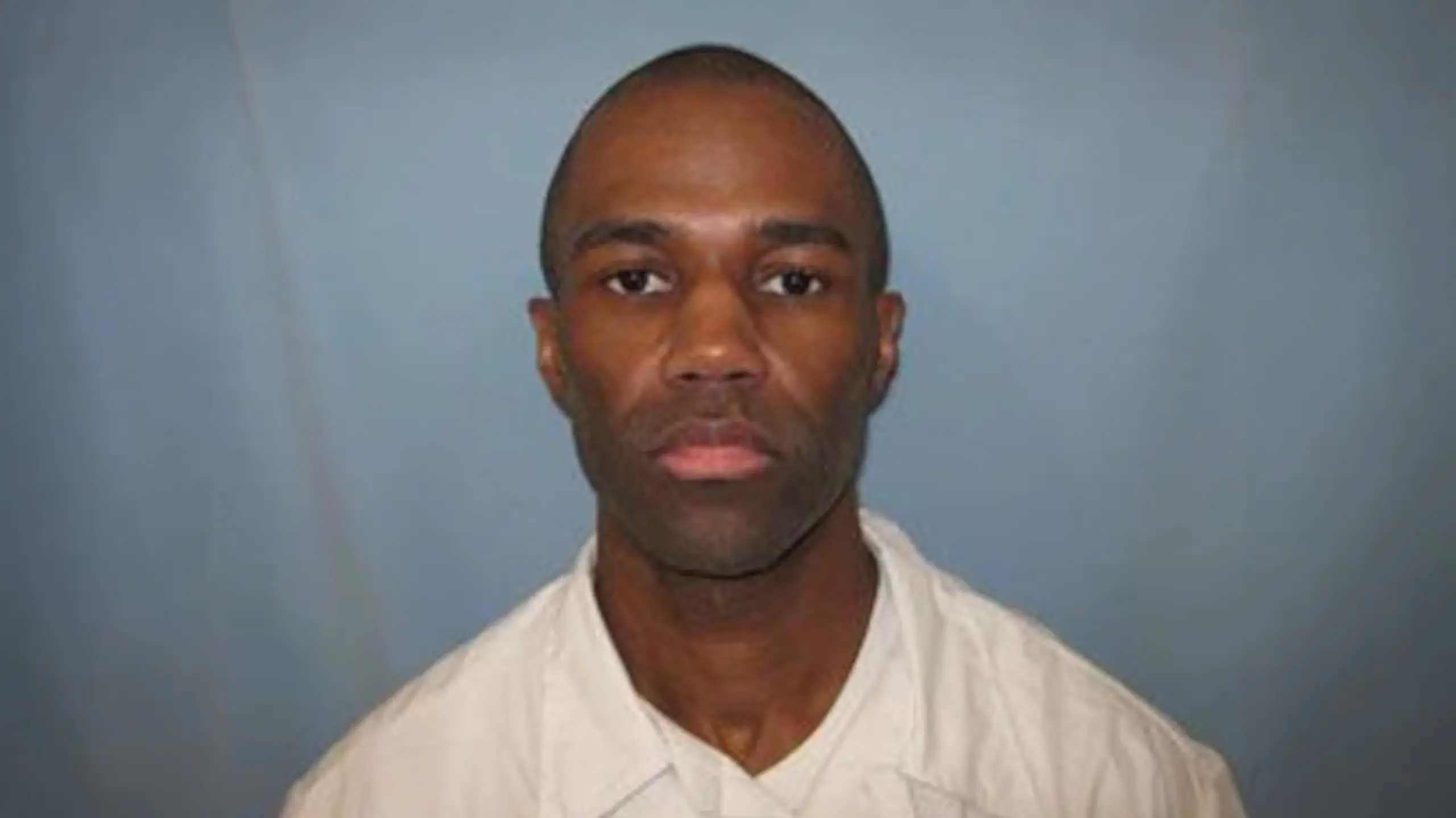
Demetrius Terren Frazier’s death at age 52 signifies the grim conclusion of a violent, tragic journey spanning more than three decades. His impact reverberates — a chilling reminder of how deeply crime scars lives and communities, and the relentless pursuit of justice even after years pass.
As Alabama enforces this execution, the broader debate on capital punishment and execution methods continues. Frazier’s case, marked by brutality and legal complexity, will be studied, debated, and remembered, raising profound questions about justice, redemption, and the human cost of violence.
The execution draws a line under a saga that began with a single violent night in 1991 but left a legacy marked by lost lives and profound sorrow. Pauline Brown and Crystal Kendrick’s families confront this finality, forced to reflect on healing and the echoes of irreversible loss.
For those on death row, Frazier’s case serves as a stark signal. The pace of justice, often slow and bureaucratic, can reach a definitive climax. The use of nitrogen hypoxia signals evolving, controversial methods of execution challenging ethical norms and legal frameworks nationwide.
Lawmakers, legal experts, and advocacy groups will scrutinize this execution as part of a growing discourse on capital punishment’s future. The physiological, ethical, and procedural aspects of nitrogen hypoxia prompt urgent reflection on humane practices and the moral limits of state-sanctioned death.
The victims’ stories remain at the heart of this tale. Pauline’s life, abruptly ended while caring for her family, and Crystal’s lost potential highlight the devastating human toll behind headlines and legal battles. Their memories demand lasting attention beyond the execution chamber.
Communities affected by Frazier’s crimes wrestle with trauma and grief, underscoring the importance of support and healing efforts. The interwoven histories of these victims and their families tell a broader story of resilience amid tragedy, prompting ongoing conversations on prevention and justice.
As the clock runs forward, Frazier’s execution will be archived among the last carried out using this contentious method. Its place in legal history remains uncertain, but its impact on future death penalty practices is undeniable, marking a pivotal moment in Alabama’s penal landscape.
The swift unfolding of events—from last meal to final breaths—marks a stark end to Demetrius Frazier’s chapter. His execution embodies a relentless chase for justice, the culmination of decades-long investigations, and the somber closure sought by those forever changed by his actions.
Source: YouTube