A teenage rapper from Dallas, operating under the alias Yakuza, has been linked to at least six homicides in a violent spree that prosecutors allege was fueled by gang politics and a meteoric rise within the city’s drill scene. Deontay Moore, 19, now sits in custody facing multiple murder charges, his case exposing a brutal cycle of retaliation and ambition that played out on social media and the streets of East Dallas.
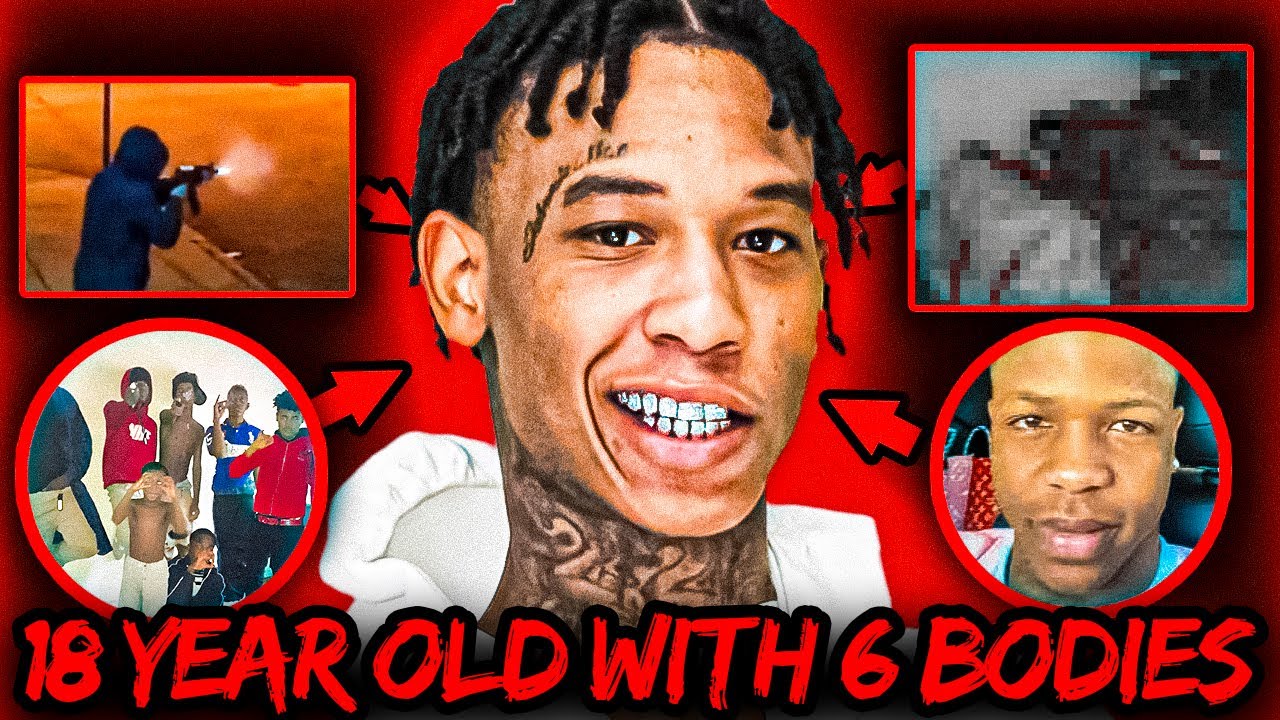
The first fatal incident connected to Moore occurred when he was just 15 years old. On April 17, 2021, Moore and his older brother allegedly ambushed a man known as “Fats” at a South Dallas park. While forensic reports suggest Moore’s rifle fire may not have been the killing blow, his participation marked a definitive, violent entry into an ongoing conflict. Associates noted a stark change in his demeanor afterward, citing insomnia and restlessness.
His involvement deepened months later. On November 29, 2021, Moore allegedly acted as the triggerman in a robbery-turned-homicide targeting 18-year-old Kobe Mascoro. The killing was pivotal, igniting a fierce feud with the OTG gang due to Mascoro’s family connections. Moore’s stepbrother, Thail Ingram, reportedly took full responsibility for this murder to shield the younger teen from a life sentence.
By early 2022, Moore’s reputation for ruthless efficiency had transformed him into a commodity. He was allegedly contracted for a paid hit on Billy Stepp, a 26-year-old affiliate of a rival set, on January 12. This murder is widely cited as a catalyst for escalating city-wide tensions, further entrenching Moore as a central, feared figure in Dallas’s complex gang landscape.
The violence was also driven by personal loss. The death of Kovon “Hank” Williams on April 4, 2021, resonated deeply within Moore’s circle, OTS (Only The Sachs). Hank was killed while allegedly attempting to attack rivals, and his death became a rallying cry for retaliation, hardening the group’s resolve and normalizing immediate, violent responses to any perceived slight.

Moore’s most infamous case involved extreme deception. In July 2023, he is accused of orchestrating the murder of Tarius “TG” Robinson, a figure known for “backdooring” associates. TG was lured to a house under pretenses, where Moore and others allegedly ambushed him. Afterward, Moore publicly mourned TG on social media, a move investigators viewed as a calculated attempt to mislead.
The spree reached a reckless climax in March 2024. Moore allegedly arranged to buy firearm modifications from two teenagers, Cameron Stacy and Kamari Smith, in a grocery store parking lot. During the meeting, believing he was being set up, Moore opened fire inside the vehicle, killing both 18-year-olds. He then fled after photographing one of the bodies, which he sent to associates.
This double homicide triggered immediate retaliation. On June 7, assailants opened fire on a vehicle carrying Moore and his mother, critically injuring her. Moore escaped unharmed and was later seen mocking the attempt online. The attack was linked to the victims’ allied gangs, sparking a new, open war on the streets.

Law enforcement closed in on July 25, 2024. After a wild police chase where a stolen truck was rammed into a cruiser, Moore was arrested. He was found hiding under a vehicle and taken into custody on outstanding warrants for the double murder. Text messages and evidence from the March shooting left little room for defense.
The case of Deontay “Yakuza” Moore presents a harrowing study in rapid escalation. From a teenager shaped by familial ties and neighborhood conflict to a contracted killer operating with chilling audacity, his path was marked by praise from his circle and a growing detachment from consequence. His alleged actions fueled multiple gang wars and left a trail of grieving families.
As the legal process begins, the Dallas drill scene continues, but Moore’s alleged crimes stand as a grim testament to a subculture where notoriety is currency and violence begets violence. His story underscores how street reputation, once achieved, often precedes a swift and unforgiving collapse, leaving behind only the stark reality of a jail cell and the enduring pain of communities shattered by loss. The consequences, as detailed in mounting court documents, are now his to face.