A former police officer has been executed in Texas for orchestrating the contract killing of his estranged wife nearly three decades ago, closing a brutal chapter of betrayal and murder-for-hire. Robert Allan Fratta, 65, received a lethal injection Tuesday evening at the state penitentiary in Huntsville for the 1994 murder of Farah Fratta.
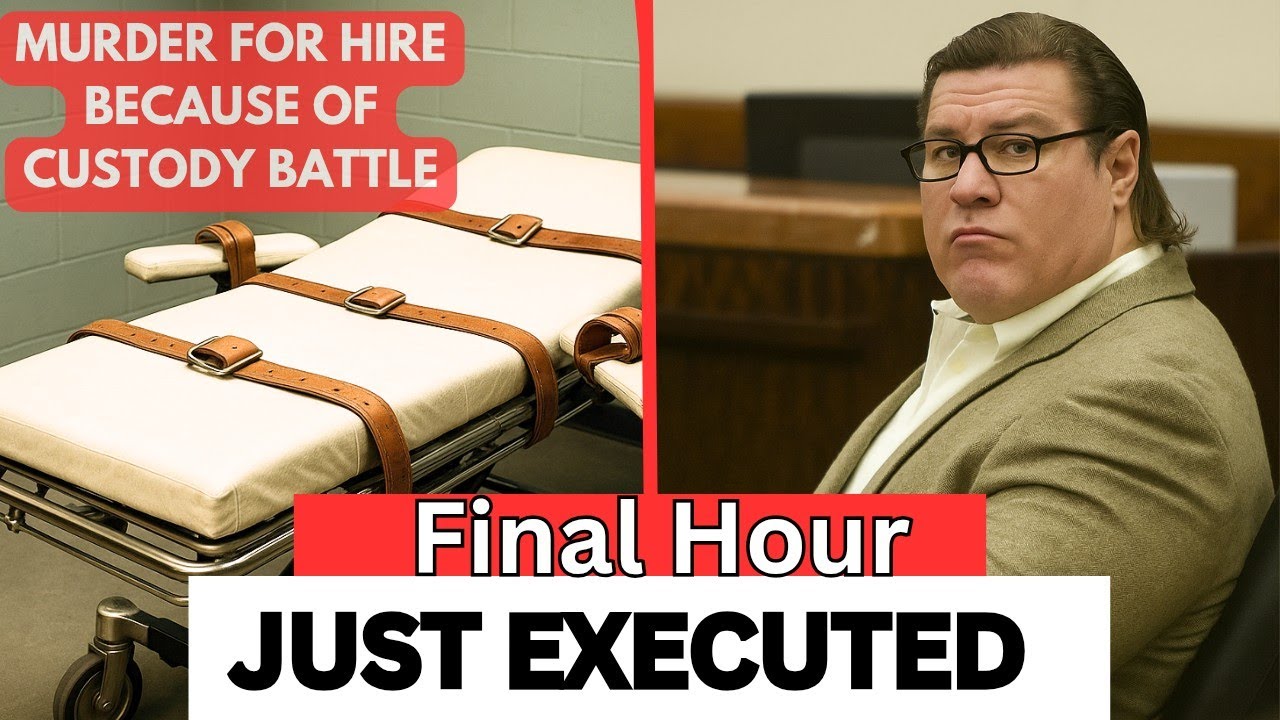
The execution proceeded after the U.S. Supreme Court rejected a last-minute appeal from his attorneys. Fratta was pronounced dead at 7:49 p.m., offering no final statement as witnesses, including his own children, watched through a glass partition. His death marks the first execution in Texas this year and brings a measure of long-awaited closure to a case that shocked a community.
Fratta, a former public safety officer in Missouri City, meticulously planned the assassination of his wife as their divorce turned acrimonious. Farah Fratta, 33, was shot twice in the head in the garage of her Atascocita home on November 9, 1994, after returning from a hair salon. The mother of three had feared for her life, repeatedly telling friends and her attorney she believed her husband would kill her.
Investigators hit an initial wall; the crime scene yielded little evidence and Robert Fratta had a solid alibi, having taken their three children to church—an act witnesses called wildly out of character. For five months, the case remained cold until a ballistic breakthrough linked a .380 caliber revolver to the murder.
That weapon was recovered from Howard Guidry, a 17-year-old arrested for an unrelated bank robbery. Under questioning, Guidry confessed to being the triggerman and named Joseph Prystash as the driver and organizer. He revealed the plot was commissioned by Robert Fratta, who paid $1,000 and a Jeep for the hit.

The murder-for-hire plot was born in a Humble, Texas, gym, where Fratta, a regular, had casually asked at least seven people over several months if they knew someone who could “kill my wife.” Most dismissed it as a bad joke, but Joseph Prystash, a fellow gym-goer with a criminal history, took him seriously.
Prystash enlisted Guidry. On the night of the murder, they waited in the shadows of Farah’s garage. As she stepped from her red Mustang convertible, Guidry emerged and fired two close-range shots. A neighbor’s 911 call captured the sound of the gunfire and a description of a fleeing man.
Phone records later revealed calls between Fratta and Prystash in the days surrounding the murder. A critical witness, Prystash’s girlfriend Mary Gipp, testified she saw him dispose of shell casings the night of the killing and heard him confirm, “Yes, she’s dead.” Her testimony and the gun’s serial number, which she had noted, were pivotal.
At trial, prosecutors painted Fratta as a controlling husband enraged by a bitter divorce and custody battle. Farah had sought full custody and detailed disturbing sexual demands in court filings. Fratta also stood to gain a $235,000 life insurance policy.

A Harris County jury found Fratta guilty of capital murder in 1996 and sentenced him to death. Convictions for Prystash and Guidry followed, though all three saw their initial verdicts overturned on appeal related to co-conspirator testimony. Each was retried and re-sentenced to death.
Throughout the legal saga, Fratta maintained his innocence and showed no remorse. His children testified against him, supporting his execution. His daughter stated her mother “missed everything because our father took her life.”
On his final day, Fratta was served a standard prison meal of a peanut butter and jelly sandwich, scrambled eggs, cereal, and milk. Texas abolished customized last meals in 2011. His attorneys filed final appeals challenging the state’s use of expired pentobarbital, arguing it could cause suffering, but courts swiftly denied them.
As the drugs flowed, Fratta took a deep breath, snorted several times, and fell silent. The execution chamber was quiet, the witnesses stoic. Farah’s brother was among those present.
Joseph Prystash died of natural causes on death row in June 2025 at age 70. Howard Guidry remains on death row, his sentence still pending. For Farah Fratta’s family, Tuesday’s execution was not a celebration but a somber conclusion to a 28-year fight for justice, finally ensuring the man who ordered her murder would never harm anyone again.