In the early hours of July 21, 2023, James Edward Barber, after 22 grueling years on Alabama’s death row, was executed by lethal injection at Holman Correctional Facility. Convicted for the savage 2001 murder of 75-year-old Dorothy Eps, his final words offered remorse and forgiveness, igniting fresh debates on justice and capital punishment in America.
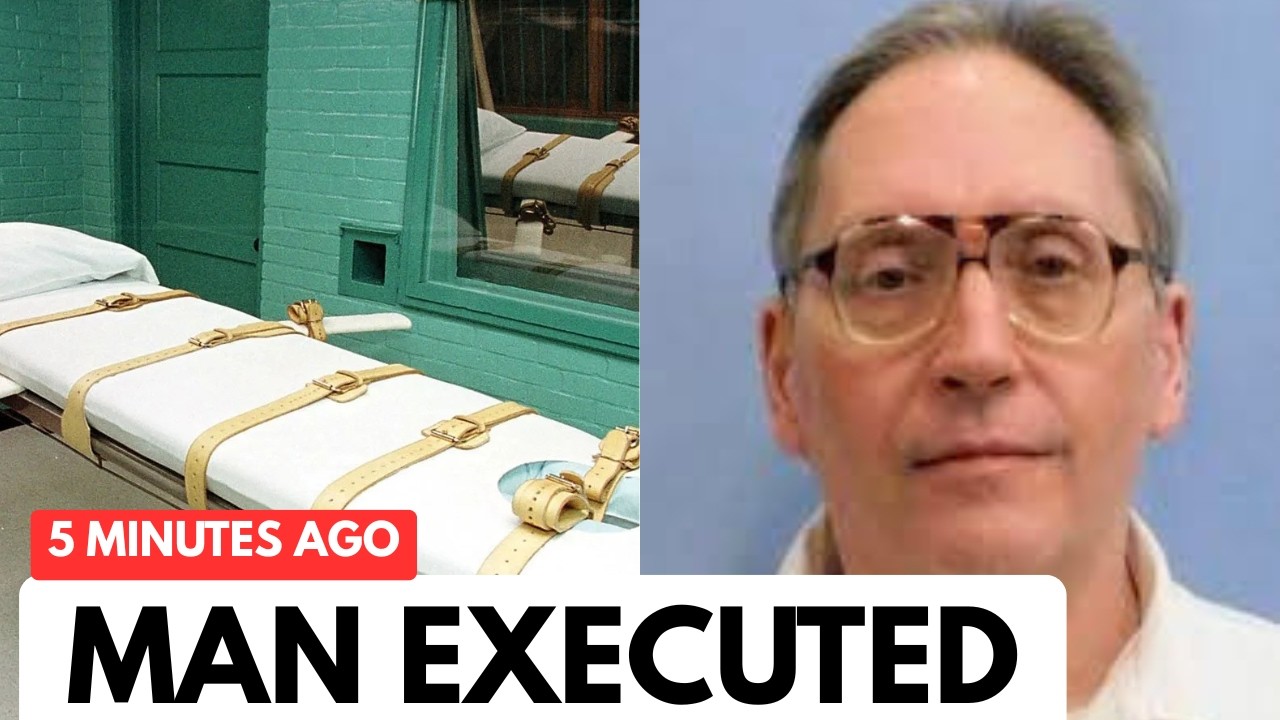 The tragedy began on a quiet Sunday evening in May 2001, in the small Alabama town of Harvest. Barber, once a familiar face to the Eps family through a past relationship and odd jobs, arrived at Dorothy’s door in a haze of intoxication. Eyewitness accounts and court records paint a picture of a man consumed by drugs and alcohol, yet fully accountable for the violence that followed.
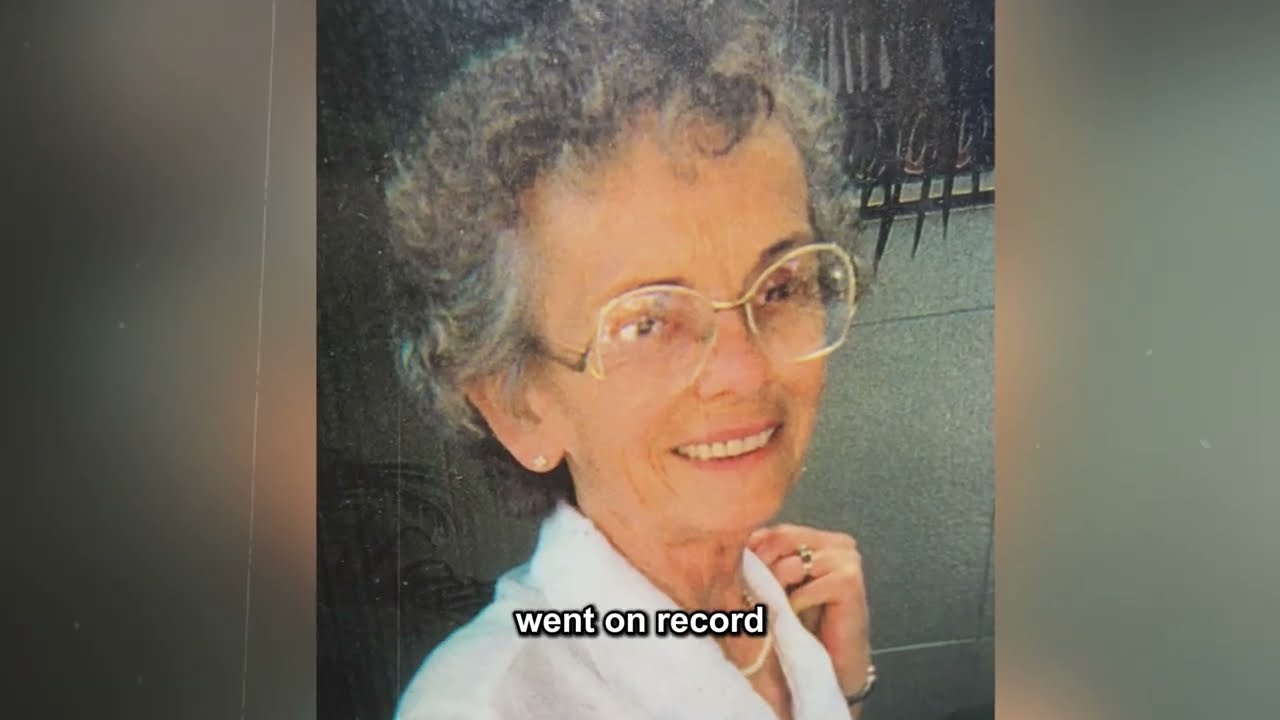
Dorothy Eps, a frail 75-year-old living alone, opened her door to someone she trusted. What ensued was a brutal attack, leaving her with fatal injuries as she fought desperately for her life. Barber fled with her purse, his actions driven by desperation for money, sealing his fate in a crime that shocked the community.
Authorities arrested Barber days later, and his voluntary confession became the cornerstone of the case. In chilling detail, he admitted to the killing, calling it “senseless and stupid,“ and accepted his potential death sentence. The trial moved swiftly, with overwhelming evidence leading to a capital murder conviction.
During sentencing, the jury voted 11-1 for death, a decision upheld by the judge in Alabama’s then-unique system allowing overrides. This aspect drew scrutiny, as most states require unanimity for such penalties. Barber’s appeals highlighted flaws in the process, but justice pressed forward relentlessly.
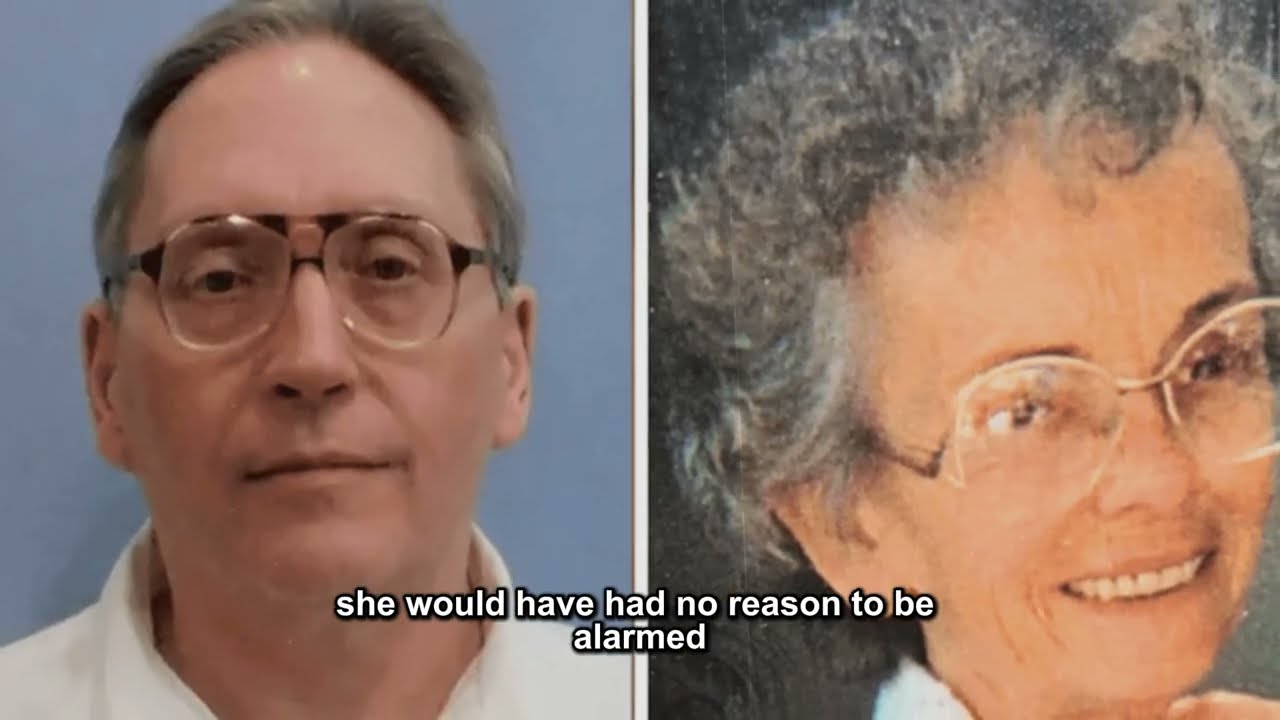 Over two decades on death row, Barber underwent a profound transformation. Once defined by his crime, he embraced faith, writing letters about his redemption and forming unlikely bonds. Most strikingly, Dorothy Eps’s granddaughter, Sarah Gregory, extended forgiveness, corresponding with him and even opposing his execution.
This act of grace added layers to the story, challenging notions of vengeance. Gregory’s words, “You have freed me,“ underscored a personal healing that transcended the legal grind. Yet, as execution loomed, Barber’s team fought Alabama’s troubled history with lethal injections.
Recent botched executions in the state raised alarms, with lawyers arguing that Barber faced undue risk due to his physical condition. They pushed for nitrogen hypoxia, an approved alternative, citing Eighth Amendment violations. The U.S. Supreme Court, in a 6-3 ruling, denied a stay, allowing the process to proceed amid controversy.
As the clock ticked past midnight on July 21, tension mounted inside Holman Facility. Barber’s final hours were marked by visits from supporters, phone calls to loved ones, and a simple last meal: loaded hash browns, a Western omelet, spicy sausage, and toast. He refused breakfast, perhaps reflecting on the end.
In a moment of unexpected humanity, Barber led those around him in song, marching to “When the Saints Go Marching In“ and “Amazing Grace.“ Witnesses described it as a surreal scene, blending defiance and peace in the face of death. Then, at 1:33 a.m., he entered the chamber.
Barber’s last words resonated with raw emotion. Addressing Eps’s family, he said, “I love them. I’m sorry for what happened.“ Turning to officials, including Governor Kay Ivey, he declared, “I forgive you for what you’re about to do.“ A spiritual adviser stayed by his side as the drugs took effect.
The execution unfolded quickly, with Barber pronounced dead at 1:56 a.m. Some observers reported signs of distress, though officials disputed this, adding to the national outcry over execution methods. Alabama’s Attorney General Steve Marshall hailed it as justice served for a “heinous“ crime.
 This event thrusts Alabama back into the spotlight of the death penalty debate. With the state’s recent failures, questions linger about cruelty and reform. Barber’s journey—from confessed killer to redeemed man—leaves a complex legacy, forcing society to confront forgiveness amid unforgivable acts.
Dorothy Eps’s family endured 22 years of waiting, their loss a constant wound. Gregory’s stance highlighted the human cost on all sides, challenging rigid views of retribution. As the nation reflects, this execution underscores the flaws in a system that balances vengeance and mercy on a knife’s edge.
The fallout from Barber’s death ripples outward, sparking calls for policy changes in capital punishment. Advocates point to Alabama’s isolated practices, urging a reevaluation of how justice is administered. In this urgent moment, the story of James Barber serves as a stark reminder of life’s fragility and the enduring quest for redemption.
Yet, for Dorothy Eps, the story ended long ago in her quiet home. Her memory lingers as a symbol of innocence lost, while Barber’s final acts invite uncomfortable truths about humanity’s capacity for change. This case, now etched in history, demands we pause and ponder the true meaning of justice in America.