In a landmark and chilling development, Louisiana executed Jesse Dean Hoffman Jr. on March 18th, 2025, using the state’s first-ever nitrogen hypoxia method. Hoffman, convicted of the brutal 1996 rape and murder of Mary Molly Elliot, became the first person executed in the state in over 15 years, ending a prolonged moratorium on capital punishment.
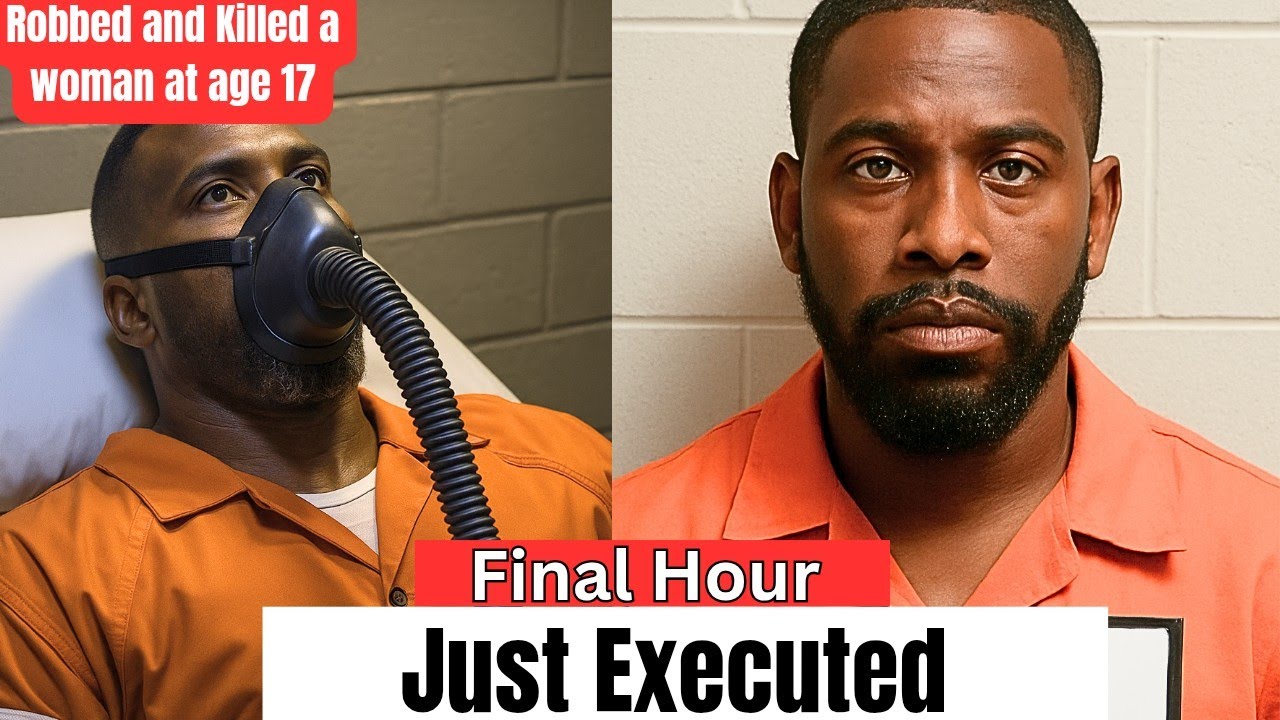
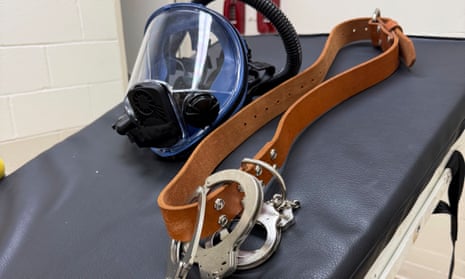
The execution took place at Angola Prison, where Hoffman was pronounced dead at 6:50 p.m. after nearly two decades of legal battles. This method, nitrogen hypoxia, replaces oxygen with pure nitrogen to suffocate the brain, raising fierce ethical and legal debates nationwide. Hoffman’s final pleas, including appeals to the Supreme Court, had all been denied.
Hoffman, 46, was convicted for a horrific crime that rocked New Orleans—a violent abduction, 𝒔𝒆𝒙𝒖𝒂𝒍 𝒶𝓈𝓈𝒶𝓊𝓁𝓉, and murder of a young woman on the night before Thanksgiving 1996. The case was noted for its brutality and Hoffman’s troubled past, his childhood marked by extreme trauma and neglect.
In the days leading up to the execution, Hoffman declined spiritual counsel and refused a last meal, signaling a silent acquiescence to his fate. Witnesses reported a calm, almost hollow demeanor as he entered the execution chamber, mask lowered over his face, as nitrogen gas was introduced.
Legal defenders condemned the use of nitrogen hypoxia as cruel and unconstitutional, arguing it inflicted unnecessary suffering. They also cited Hoffman’s Buddhist faith, which emphasizes mindful breathing at death, contending that this gas method violated his religious beliefs.
The method’s first American use in Alabama had incited controversy due to reports of inmates gasping and convulsing during the process. Yet Louisiana pressed forward, ending a 15-year pause on executions with this grim precedent, signaling a renewed stance on capital punishment.
The court’s refusal to revisit Hoffman’s conviction spotlighted systemic issues. Hoffman described his trial as unjust, with a jury of 12 white men disregarding the racially charged context of St. Tammany Parish’s demographics at the time, fueling fierce debate about race and justice.
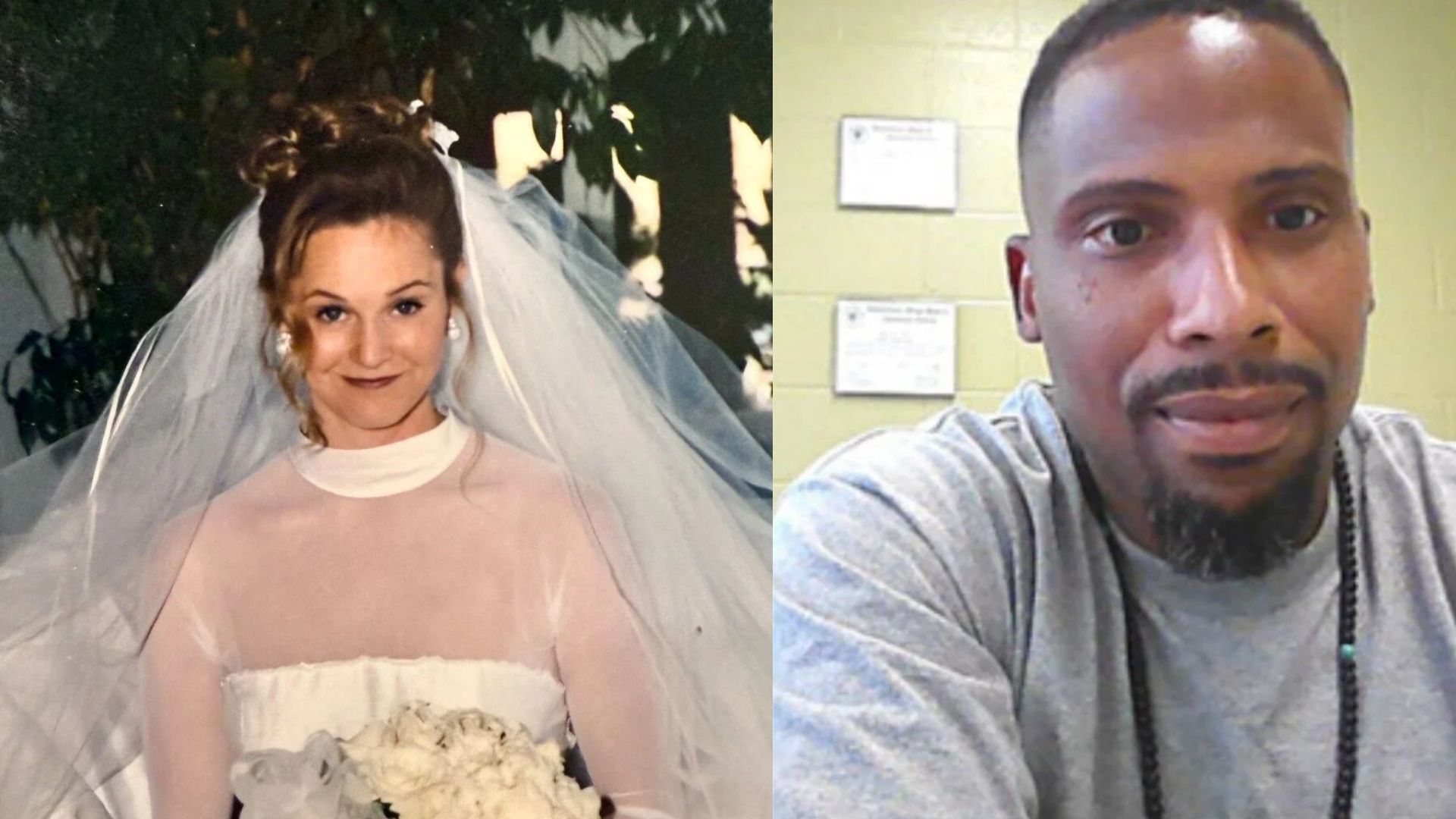
From the grim details of the 1996 night—Hoffman’s stalking, coercion of Elliot to withdraw money, the trip to remote woods, and her ultimate shooting—emerged a tapestry of calculated cruelty and cold-blooded violence that haunted Louisiana for decades.
Evidence against Hoffman was overwhelming, including forensic proof, surveillance footage of the terrified victim alongside Hoffman, his confession, and testimony from his girlfriend linked to stolen cash from the crime. His story unfolded as one of childhood pain spiraling into horrific adult crime.
Louisiana’s death penalty system, dormant for years, suddenly activated with legislative changes in 2024 authorizing nitrogen hypoxia and the electric chair as new execution methods. This political shift erased previous moratorium hopes, marking a darker chapter for capital punishment in the Deep South.
Hoffman’s family members wrestled publicly with disbelief and sorrow, picturing a brother unlike the monster convicted. Their emotional appeals fell on deaf ears amid a determination to deliver retributive justice. For victims’ families, the execution was seen as a long-overdue closure to decades of pain.
As the nitrogen gas enveloped Hoffman, the state of Louisiana reignited a deadly mechanism, extinguishing a life that had been legally condemned yet societally debated. This execution reopened wounds about justice, methods of death, and racial inequities that linger in America’s penal system.
With Hoffman’s death, an era ends but questions persist—about the morality of using untested execution methods, the impact of childhood trauma, and whether true justice can ever be achieved in a system so heavily shadowed by racial and legal complexities.
The state’s swift imposition of death by nitrogen hypoxia sets a precedent that could shape future capital punishment protocols nationwide, injecting urgency into ongoing national debates about the death penalty’s fairness, humanity, and efficacy.
Thus, Louisiana’s long dormancy is over. The machinery of death has been reactivated with cold clinical precision—Jesse Hoffman Jr. the first life claimed by a controversial method that heralds a new phase of lethal sentence enforcement in America.

Officials confirmed the silence of the final moment, but accounts of Hoffman’s involuntary convulsions during his last minutes underline the controversy and human cost of adopting experimental execution means in modern justice systems.
With this execution, Louisiana joins a small number of states experimenting with nitrogen asphyxiation, a shift that legal observers say could influence capital punishment practices amid broad questions about Eighth Amendment violations.
Hoffman’s story—a mix of violent crime, contested trial fairness, and drawn-out appeals—culminates in an unprecedented state-sanctioned dea
th, raising ethical alarms among advocates while marking a stark return to active executions in Louisiana.
The death of Jesse Dean Hoffman Jr. at Angola Prison is not only a concluding chapter for one man but a provocative reopening of death penalty debates across the U.S., fueling calls for deeper scrutiny and reform.
As the legal and moral implications of nitrogen executions unfold, the nation watches. Louisiana’s step forward in resuming executions with this novel method marks a potentially transformative moment with profound human and judicial consequences.
The chilling quiet of the prison after Hoffman’s death echoes far beyond Angola, stirring renewed debates on justice’s balance between punishment, humanity, and the state’s ultimate power to take life.
This execution was both an end and a beginning—ending a 15-year pause in Louisiana’s death penalty while beginning a contentious new era of state killing under novel, disputed methods that could redefine capital punishment in America.
Source: YouTube