A popular social media comedian known for viral skits now faces serious federal charges after a multi-agency narcotics raid in Alabama. Marquise “MK Slatt” Holmes, 21, was arrested alongside four associates in Irondale, Alabama, in a bust that uncovered automatic weapons and fentanyl, marking a stunning fall from internet fame to alleged drug kingpin.
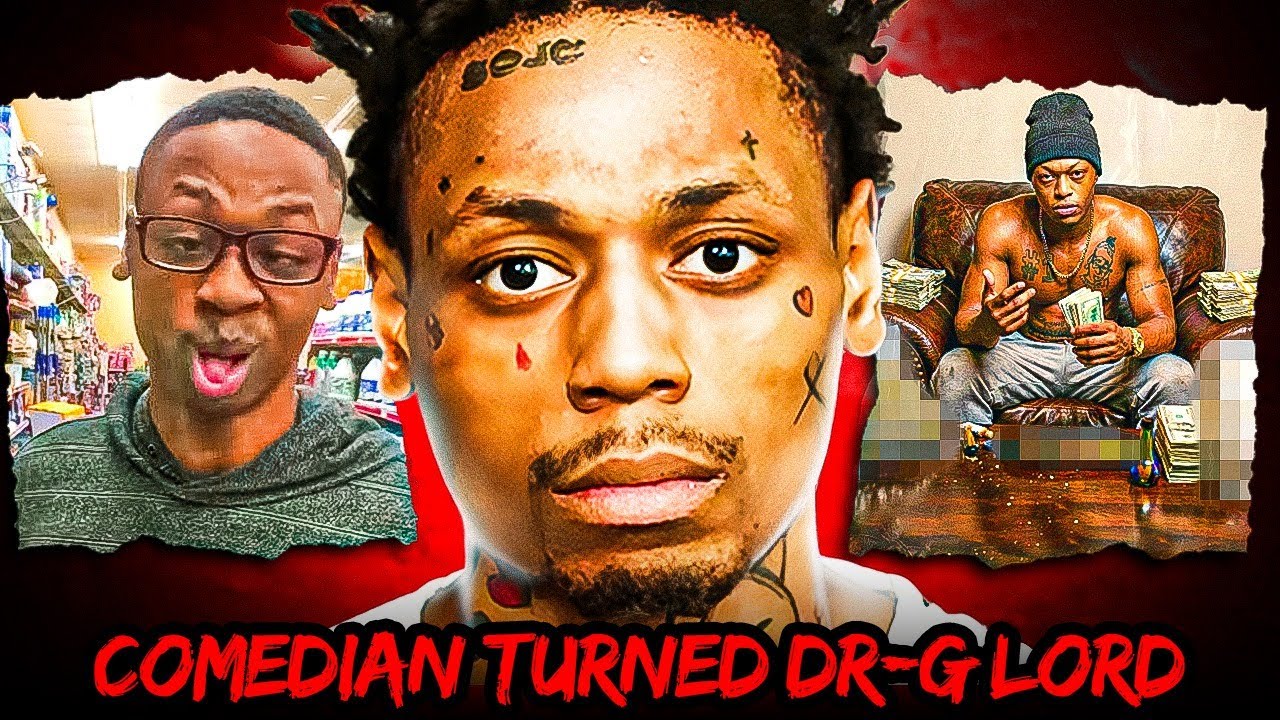
The early morning raid, executed by local police with federal support, was the culmination of a lengthy investigation. Authorities allege the residence was an active drug packaging and distribution point. Recovered evidence included Glock pistols, conversion devices to make them fully automatic, quantities of fentanyl and methamphetamine, and related paraphernalia.
Holmes, who boasts over a million YouTube subscribers, built his brand on exaggerated, street-inspired comedy sketches. His content, celebrated for its chaotic authenticity, often blurred the lines between parody and reality, featuring jokes about drugs, weapons, and street life. This online persona now forms a stark backdrop to his real-world charges.
The charges are severe: two counts of drug trafficking and multiple possession charges, with a bond set in the millions. The involvement of modified firearms, or “switches,” elevates the case, carrying mandatory federal prison sentences. This shifts the situation from a local arrest to a potentially career-ending federal prosecution.
His journey from Markeel Holmes, a kid from Alabama, to “MK Slatt,” the crash-out comedian, illustrates a dangerous convergence of digital fame and street influence. Analysts note his content gradually shifted from joking about a lifestyle to visually flexing it, a transformation his audience often cheered as authentic branding.
Law enforcement officials indicate the investigation was methodical, built on patterns of behavior documented extensively online. Every post and video became a potential timestamp in building their case, demonstrating how a digital paper trail can have grave real-world consequences.

Fans and commentators are now re-examining his vast catalog of content with new eyes. Skits featuring weapons and drug references no longer play as comedy but as alleged evidence. The arrest underscores a chilling reality: the internet never forgets, and the justice system does not distinguish between an online character and a suspect.
This case serves as a stark warning in the influencer era, where clout and controversy are currency. It highlights the perils when an online persona overtakes reality, especially for young creators from challenging environments where the lines between entertainment and survival are inherently thin.
The fallout is immediate and profound. Holmes’s digital empire, built on laughs, now sits dormant as he awaits his day in court. His story is a public case study in how rapid internet fame, without a clear separation from past environments, can accelerate a downfall rather than prevent it.

As the legal process unfolds, the conversation turns to accountability, both personal and systemic. It questions the platforms and audiences that reward increasingly risky content and the societal pressures that leave few exits for talented youth beyond the glare of the smartphone screen.
The final chapter for MK Slatt is no longer written in views, likes, or viral moments. It will be dictated by court documents, evidence logs, and federal sentencing guidelines. His legacy, for now, is a cautionary tale etched not just in Alabama court records, but across the very social media feeds where he once reigned.
Source: YouTube