Troy Anthony Davis was executed at 11:19 p.m. on September 21, 2011, in Georgia, sparking an international outcry after 16 years on death row amid persistent claims of innocence and witness recantations. His final words denied killing officer Mark McFale, leaving a haunting question about justice and truth unheard.

In a case that gripped the nation for over two decades, Troy Davis’s execution ended years of controversy surrounding the 1989 murder of off-duty Savannah police officer Mark McFale. Davis, 42, maintained his innocence until the last breath, his story igniting fierce debates on the reliability of the justice system.
The harrowing journey began on August 19, 1989, when McFale was fatally shot in a Burger King parking lot. Davis was swiftly accused, mainly on eyewitness testimony, the prosecution presenting no physical evidence linking him to the gun or crime scene. Seven of nine witnesses later recanted, citing coercion.
Despite fervent legal battles, appeals, and global campaigns led by Amnesty International, Pope Benedict XVI, Jimmy Carter, and Archbishop Desmond Tutu, Davis’s execution proceeded. The US Supreme Court denied a last-minute stay, setting the stage for an execution that many feared was a miscarriage of justice.
The final hours were tense and laden with emotion. Davis refused a last meal, opting instead to fast and pray. He spent moments expressing love and farewell to his family, including his sister battling cancer, and sending messages of hope and truth to the world, steadfast in his claims of innocence.

At 10:53 p.m., confronted with the gravity of his fate, Davis addressed the McFale family and prison staff with chilling clarity. “I am innocent. I did not have a gun. I did not shoot your family member,” he declared, pleading for a deeper look at the case beyond the verdict that condemned him.
The lethal injection commenced at 11:08 p.m., and after eleven agonizing minutes, Troy Davis was pronounced dead. Outside Georgia Diagnostic and Classification Prison, thousands held vigil, their flickering candles casting shadows over the night, voices mingled with tears, prayers, and cries for justice.
This execution spotlighted glaring fissures in the American criminal justice system—especially the use of eyewitness testimony fraught with error and coercion. The absence of physical evidence, the disappearance of crucial evidence held by suspicious witnesses, and the failure to punish alternate suspects have left many questioning the verdict.
Davis’s criminal journey was tragic and complex. A former Marine and community coach with no prior violent record, he became ensnared by a flawed investigation and racial tensions in Savannah, Georgia. The shooter’s description matched his clothing, but no gun was ever found on him, and the key accuser owned the same caliber weapon.
The trial operated under immense pressure after the killing of a white police officer by a young black man, a fraught dynamic in Georgia’s history. The prosecution’s case relied heavily on shaky eyewitness accounts, many of which dissolved over time as witnesses admitted to police coercion or misidentification.

Over the years, Davis spent his days in a small, confined cell on death row, writing letters, reading scripture, and facing despair with stoic resolve. Each scheduled execution sparked massive protests worldwide, highlighting themes of race, justice, and the death penalty that transcended national boundaries.
Legal efforts were continuously stifled by procedural roadblocks, chiefly the Anti-Terrorism and Effective Death Penalty Act, which limited new evidence in post-conviction appeals. Most recanting witnesses were dismissed by courts as unreliable or pressured, leaving the system deaf to calls for re-examination or retrial.
The most dramatic legal moment came in 2010 with a federal hearing allowing new testimony, including 𝒶𝓁𝓁𝑒𝑔𝒶𝓉𝒾𝓸𝓃𝓈 that another man, Sylvester Red Kohl’s, admitted to killing McFale. Yet critical evidence remained inadmissible due to Kohl’s absence, and courts ruled against Davis, cementing his guilt in law despite massive doubt.
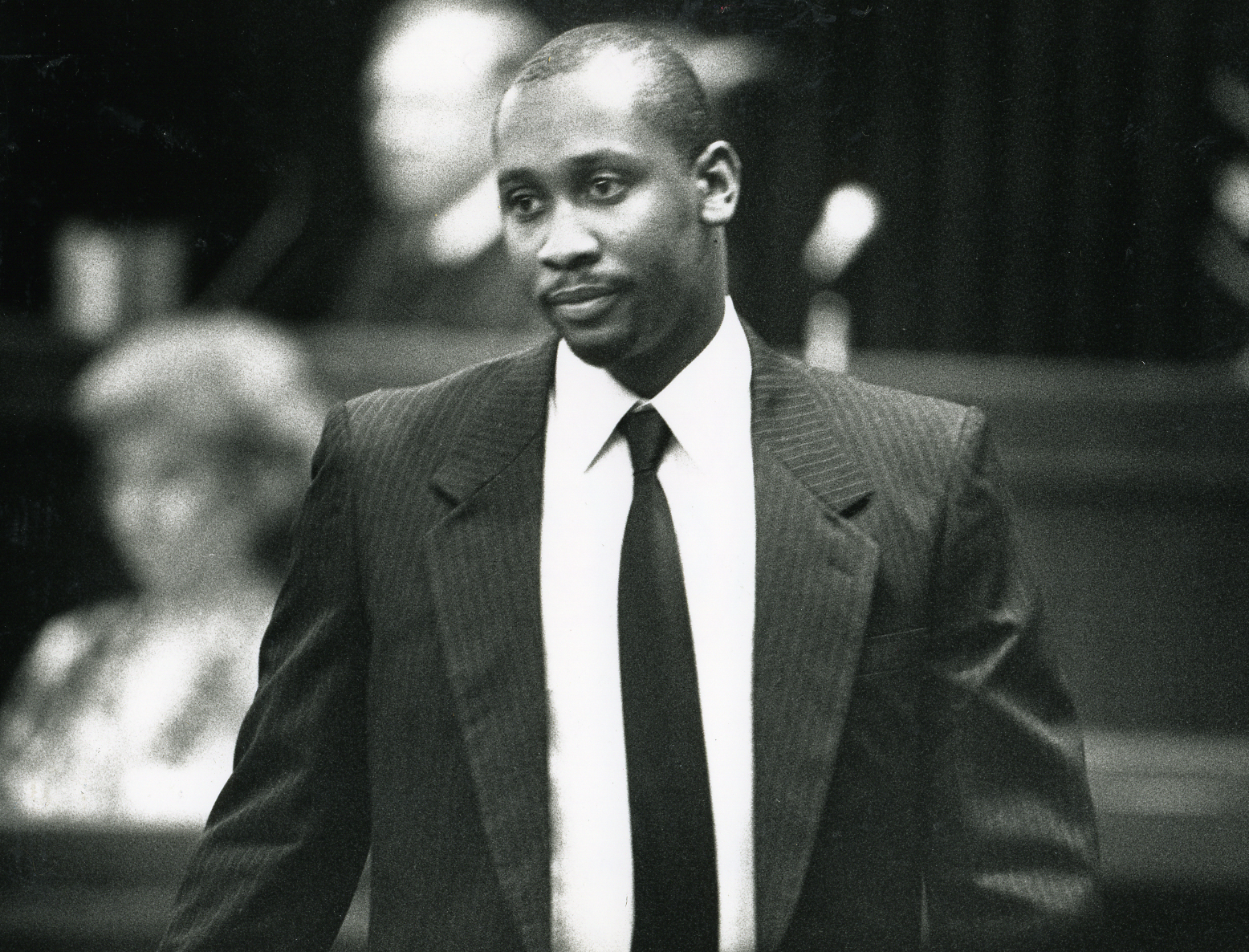
In his final moments, Davis sought not retribution but understanding. His words urged society to “look deeper into this case” and reflect on what truth truly means within a flawed justice framework. His execution left a profound silence filled with unanswered questions about innocence, fairness, and systemic failures.
The world watched as Davis’s life was extinguished, but his death ignited a continuing debate over capital punishment and the justice system’s capacity to rectify its own errors. The reverberations of his case continue to fuel advocacy for those wrongfully convicted and challenge entrenched judicial norms.
Troy Anthony Davis’s story is more than a tragic headline—it is a haunting reminder of the human cost of judicial error and the imperative for vigilance in protecting the innocent. As voices rise in protest and demands for reform intensify, his legacy endures, demanding the truth never be forgotten.