In a stunning last-minute decision, Alabama Governor Kay Ivey has commuted the death sentence of Charles Burton, a man who was set to be executed for a 1991 robbery that resulted in the death of Doug Battle. The commutation, announced just two days before the scheduled execution, raises critical questions about justice and accountability in capital punishment cases.

Burton, 75 and wheelchair-bound, was convicted of capital murder despite not pulling the trigger that killed Battle. Instead, Derrick DeBruce fired the fatal shot and died in prison without facing execution. This glaring discrepancy led to widespread scrutiny of Alabama’s justice system and the fairness of applying the death penalty.
Burton’s case has been a legal battleground for over three decades, with the courts affirming his conviction while grappling with the complexities of culpability. Prosecutors argued that Burton was a major participant in the robbery, orchestrating the crime and holding the store manager at gunpoint, even though he left before the shooting occurred.
On March 10, 2026, just days before his execution by nitrogen hypoxia, Governor Ivey intervened. Her reasoning was not about Burton’s innocence but rather about proportionality in punishment. She stated that executing a non-shooter while the actual shooter escaped death was fundamentally unjust.
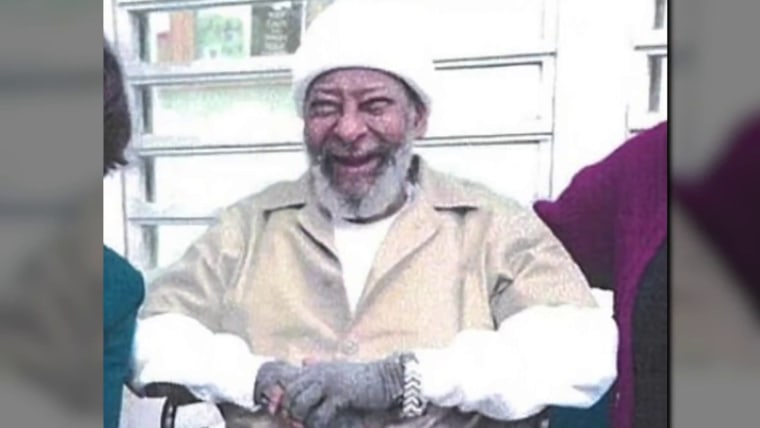
The decision has ignited a firestorm of debate, with advocates arguing that the death penalty should be reserved for the most culpable offenders. Tory Battle, Doug Battle’s daughter, emerged as a vocal opponent of Burton’s execution, emphasizing that the man who actually killed her father was already dead and that Burton should not pay the ultimate price.
Burton’s case highlights a critical question: when does participation in a crime make one responsible for its worst outcome? The legal system struggled to answer this, and Ivey’s commutation reflects a growing concern that justice must be applied fairly and equitably.
As the nation watches, the implications of this case extend beyond Alabama. It raises urgent questions about the morality of capital punishment and whether the justice system can truly deliver fair outcomes. With Burton’s fate now altered, the conversation surrounding accountability in violent crimes continues to evolve, leaving many to ponder the true meaning of justice in America.