A global energy catastrophe is unfolding as the strategic Strait of Hormuz remains sealed, triggering economic shockwaves and exposing the fragility of the world’s most critical oil chokepoint. The closure, enacted by Iran in retaliation for U.S. and Israeli strikes, has stranded 20 million barrels of oil daily and plunged markets into chaos, with prices soaring past $126 a barrel.
The immediate aftermath has been a cascade of crises extending far beyond energy. Nearly one-fifth of global liquefied natural gas trade is paralyzed, and vital fertilizer shipments are blocked, threatening food security worldwide. Gulf nations face dire shortages, with 70% of the region’s food supply disrupted and desalination plants attacked.
In this maelstrom, one nation’s decade-long strategic gamble is being put to the ultimate test. The United Arab Emirates, anticipating such a scenario, has quietly constructed a secret bypass to circumvent the Iranian-controlled strait entirely. This infrastructure is now a lifeline for global energy markets.
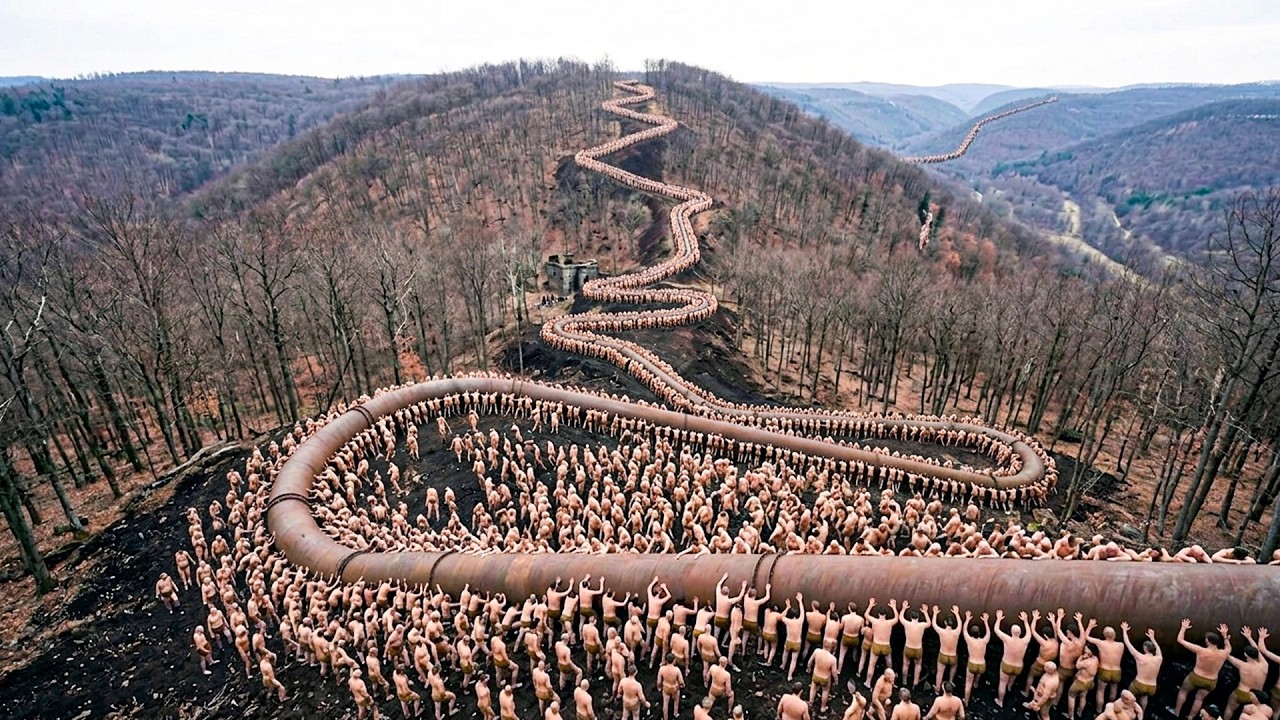
The centerpiece is the Habshan-Fujairah pipeline, a 380-kilometer engineering marvel traversing the Hajar Mountains. Operational since 2012, it redirects crude from Abu Dhabi’s fields to the port of Fujairah on the Gulf of Oman, completely avoiding the Strait of Hormuz. It can carry 1.8 million barrels per day.
Satellite imagery and export data confirm the pipeline is operating at heightened capacity, with Fujairah’s exports surging in March. However, this system alone cannot compensate for the scale of the loss. It handles only crude oil, not refined products, and covers roughly 60% of the UAE’s normal export volume.
Recognizing the vulnerability of above-ground infrastructure, the UAE’s true masterstroke lies buried deep within the mountains. The “Mandous Project” is a $1.2 billion fortress of granite, housing three caverns storing 42 million barrels of crude oil hundreds of feet below the surface.

This underground vault, impervious to conventional missile strikes, represents the world’s largest secure crude storage facility. It ensures the UAE can protect its most valuable asset and maintain trading operations through Fujairah’s bunkering port even as surface facilities come under fire.
The limits of this foresight are now starkly apparent. Combined with Saudi Arabia’s Petroline pipeline, the total bypass capacity from the Gulf is between 3.5 and 5.5 million barrels per day—a fraction of the 20 million barrels normally transiting Hormuz. A shortfall of nearly 15 million barrels daily remains.
Iraq and Kuwait, with no alternative routes, have begun shutting in production as storage fills. The International Energy Agency coordinated a historic 400-million-barrel release from strategic reserves, a measure that buys less than four days of global demand at current consumption rates.
The UAE’s infrastructure itself is under direct assault. Iranian drones have struck pumping stations along the Habshan-Fujairah line and set storage tanks ablaze at Fujairah’s terminal, proving that even bypass routes are targets in a full-scale conflict. The crisis is accelerating plans for a second, larger pipeline to bolster capacity.
The economic timer is ticking. Analysts warn that a closure extending into mid-April will constitute the largest crude supply disruption in history. Inflation is spiking globally, recession probabilities are rising, and fertilizer shortages threaten to depress crop yields well into 2027.

Europe faces a compounded disaster with stranded Qatari LNG and damaged gas infrastructure. Qatar Energy has declared force majeure, and repairs to a critical LNG plant could take five years, guaranteeing long-term energy market volatility.
The geopolitical calculus is shifting in real time. China, a major importer of Iranian oil, holds significant leverage and may push for a negotiated reopening. However, the fundamental trust in the Strait of Hormuz as a reliable artery is shattered.
The UAE’s billion-dollar bet on energy independence has transitioned from a strategic contingency to an indispensable asset. While not a panacea for the global crisis, it has provided a crucial buffer, demonstrating that redundancy and geographic diversification are no longer luxuries but necessities for national survival.
The world is now witnessing a permanent realignment. Every nation dependent on Hormuz is studying the UAE’s dual-coast model, understanding that the era of relying on a single, vulnerable chokepoint is irrevocably over. The chess game for energy security has entered a new, more dangerous phase, and the UAE is several moves ahead.
Source: YouTube