TERRE HAUTE, Indiana – Corey Johnson, a federal inmate convicted of seven murders committed during a 45-day drug gang rampage in 1992, was executed by lethal injection Thursday night. The 52-year-old died at the U.S. Penitentiary here after the Supreme Court cleared the way for his death, ending a 28-year legal saga.

He was pronounced dead at 11:34 p.m. local time. Johnson’s execution was the 12th carried out by the federal government in six months, part of an unprecedented series under the Trump administration. His death came just six days before President-elect Joe Biden’s inauguration.
Johnson spent his final hours strapped to a gurney, his breathing labored by a recent COVID-19 infection. Legal appeals delayed the process for over five hours as justices debated his intellectual capacity. His IQ was measured at 77, near the threshold for disability.
“I would like to express my sincere condolences and apologies to the families of the victims,” Johnson said in a weak, strained voice moments before the lethal injection began. “I am sorry for all of you. I am sorry.”
The single dose of pentobarbital ended the life of a man prosecutors labeled a mass murderer. His crimes, committed when he was 23, terrorized Richmond, Virginia, in early 1992 as part of a crack cocaine distribution ring known as the New Town gang.
Johnson was convicted in 1993 on seven counts of murder in aid of a continuing criminal enterprise. The killings were brutal and calculated, intended to eliminate rivals, suspected informants, and debtors within a ruthless drug operation.
His first victim was Payton Johnson, shot dead in a tavern on January 14, 1992. The spree culminated weeks later with a triple homicide at a residential home. There, Johnson killed Dorothy Armstrong over a small drug debt, her brother Bobby Long, and an innocent visitor, Anthony Carter.
The violence peaked on February 1, 1992, when four people were killed in separate attacks. One victim, Toki Brown, was shot in front of his half-sister and her three young children. A seven-year-old girl later testified against Johnson and his co-defendants at trial.
Federal prosecutors used the “drug kingpin” statute to secure death sentences for Johnson and two accomplices. It was a landmark application of the law, marking the first time multiple defendants faced simultaneous federal death penalties under that provision.
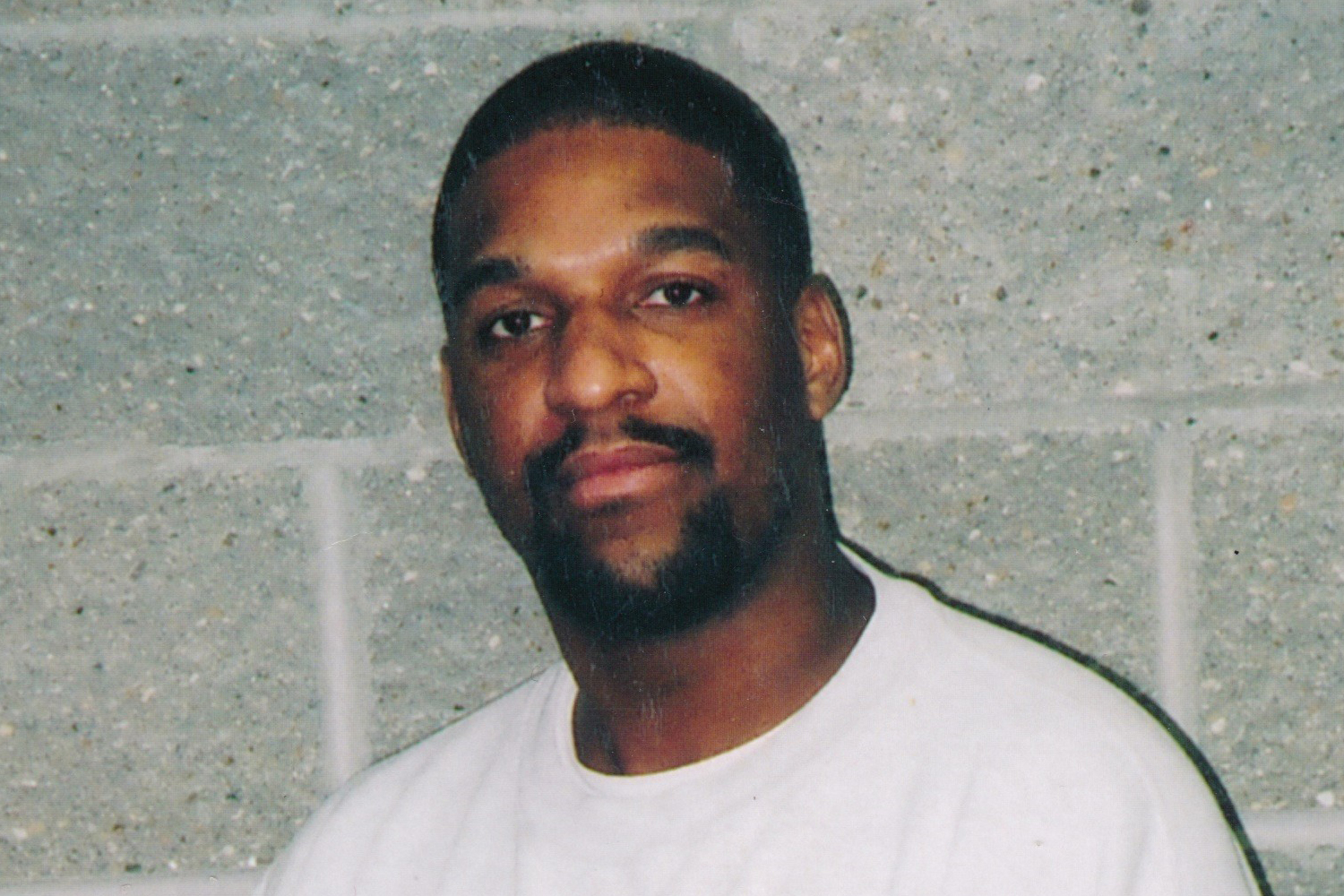
Johnson’s defense argued he was intellectually disabled, a follower manipulated by smarter criminals. His childhood was marked by profound trauma: abandonment by his drug-addicted mother at age 13, severe abuse, and a life shuffled through foster care and institutions.
“We loved Cory Johnson, and we knew him as a gentle soul who never broke a rule in prison,” his legal team said in a statement after his death. They acknowledged the pain of the victims’ families while maintaining that his execution was unconstitutional.
The execution proceeded despite last-minute appeals centered on his intellectual disability and his COVID-19 diagnosis. Medical experts warned the lung damage from the virus could cause him to feel like he was drowning during the lethal injection process.
A federal district judge initially granted a stay, but higher courts overturned it. The Supreme Court’s final denial came around 10 p.m., allowing the execution to proceed. Witnesses included family members of his victims, who had waited nearly three decades for this moment.
From their viewing room, applause and whistles were heard after Johnson was pronounced dead. For them, it was long-delayed justice for murders that had shattered their lives and haunted a city during the height of the crack epidemic.
Johnson’s co-defendants, Richard Tipton and James H. Ran Jr., were also sentenced to death. Their executions were not carried out. In a significant postscript, President Joe Biden commuted their sentences to life without parole in December 2024.

This clemency left Johnson as the only member of the trio executed for the crimes. Former investigators and prosecutors expressed outrage, arguing the gang’s brutality fully warranted capital punishment for all involved.
“The things they did, they should have been electrocuted. All of them,” said former Richmond Sheriff C.T. Woody Jr., who led the original homicide investigation. The case remains a stark chapter in the history of federal capital punishment.
Johnson’s execution occurred during a rushed schedule of federal executions as the Trump administration sought to carry out sentences before leaving office. The practice is now under an indefinite moratorium imposed by President Biden.
In his final written statement, Johnson again apologized and listed the names of his victims. “I want to say that I am sorry for my crimes,” he wrote. “I wanted to say that to the families who were victimized by my actions.”
His last meal request was partially fulfilled: he received pizza and a strawberry milkshake. The jelly-filled donuts he asked for never arrived, a minor disappointment noted in his final words. He was then escorted to the execution chamber.
The case continues to provoke complex debates about justice, intellectual disability, and the arbitrariness of the death penalty. For the families of the eleven people killed in those 45 days, the pain endures, a permanent scar from a violent era now closed.
Source: YouTube