A routine traffic stop in Austin, Texas, over four decades ago culminated tonight in the execution of David Lee Powell, the man convicted of the 1978 murder of Police Officer Ralph Ablanedo. Powell, 59, received a lethal injection at the state penitentiary in Huntsville, closing one of the longest and most debated death penalty cases in Texas history.

The execution proceeded after the U.S. Supreme Court rejected a final appeal. Powell was pronounced dead at 6:10 p.m. local time. He offered no final statement in the death chamber, maintaining silence as witnesses, including members of Officer Ablanedo’s family, looked on.
The violent chain of events began on the evening of May 17, 1978. Officer Ablanedo stopped a vehicle for a traffic violation. A passenger check revealed a possible misdemeanor warrant for Powell, who was armed with an AK-47 assault rifle.
As Ablanedo reapproached the car, Powell opened fire. He shot the officer multiple times, switched the rifle to automatic mode, and continued firing as Ablanedo fell. The 26-year-old officer, wearing a bulletproof vest, was struck ten times and died upon arrival at a hospital.
Powell fled but was located hours later after a shootout with police, where he also threw a live hand grenade that failed to detonate. His arrest unveiled a cache of weapons, methamphetamine, and notebooks detailing firearms and guerrilla warfare.
At trial, psychiatrists found Powell legally sane despite heavy drug use. He was convicted of capital murder and sentenced to death. His sentence was overturned three times on procedural grounds, but subsequent juries consistently re-sentenced him to death, deeming him a future danger.
Powell spent 32 years on death row, primarily at the Polunsky Unit. During his incarceration, he underwent a profound transformation, becoming known as a model prisoner who expressed remorse and mentored other inmates.
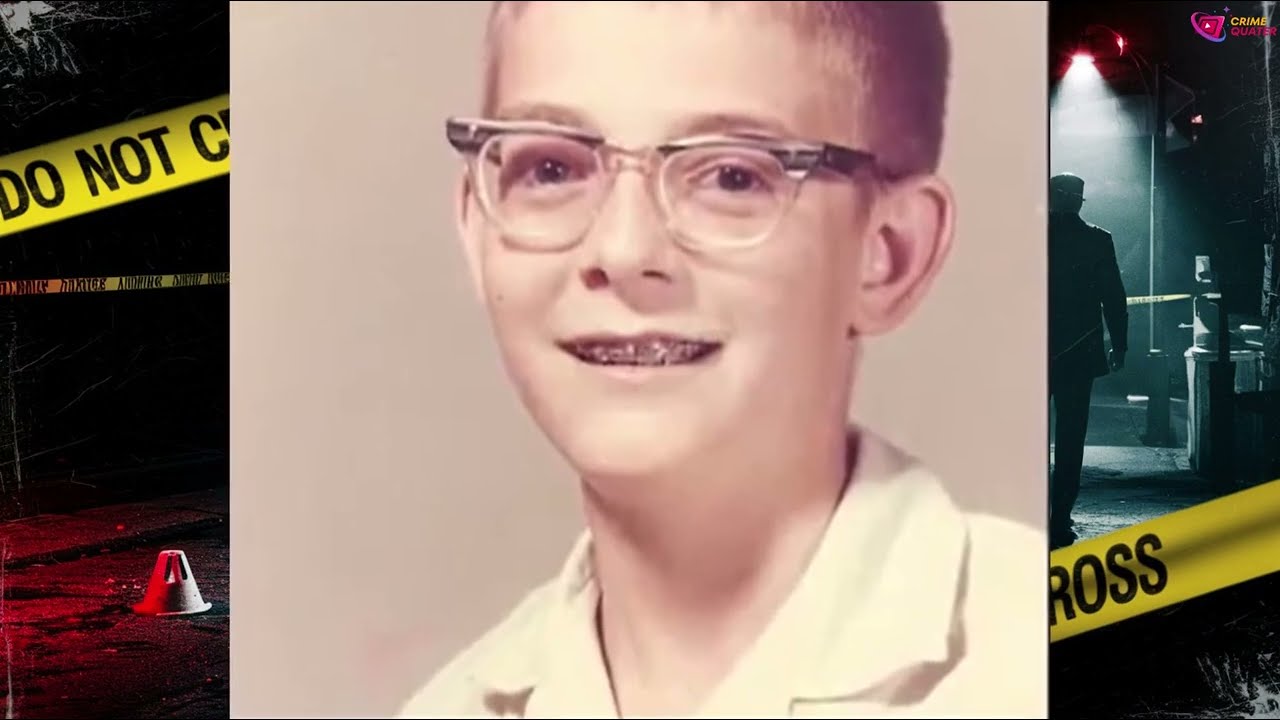
This dramatic change fueled intense national debate over redemption, justice, and the purpose of the death penalty, especially when applied decades after the crime.
For the execution, Powell requested an extensive last meal. It included four eggs, four chicken drumsticks, pork chops, hash browns, tortillas, jalapeño peppers, salsa, cheese, onions, tomatoes, garlic bread, a pitcher of milk, and a vanilla shake.
The Ablanedo family, who witnessed the execution, carried the loss for 32 years. Officer Bruce Mills, who responded to the 1978 shooting and later married Ablanedo’s widow, attended with family members. They saw Powell look toward them before his death.
The case presented a stark dichotomy: a promising university honors student and valedictorian whose life derailed into drug addiction and devastating violence, versus an aging inmate who demonstrated decades of contrition and peaceful conduct.
Legal experts note the Powell case became a landmark in Texas death penalty jurisprudence, particularly regarding the “future dangerousness” assessment required for a death sentence. His appeals challenged jury instructions and the consideration of prison behavior.
Victims’ rights advocates argued the execution delivered long-awaited justice for a particularly heinous crime against a law enforcement officer. They emphasized the calculated nature of the murder and the enduring pain inflicted on the Ablanedo family.
Death penalty opponents pointed to Powell’s rehabilitation as proof that the state can securely incarcerate individuals without execution. They argued that killing a changed man after 32 years served no penological purpose and amounted to vengeance.
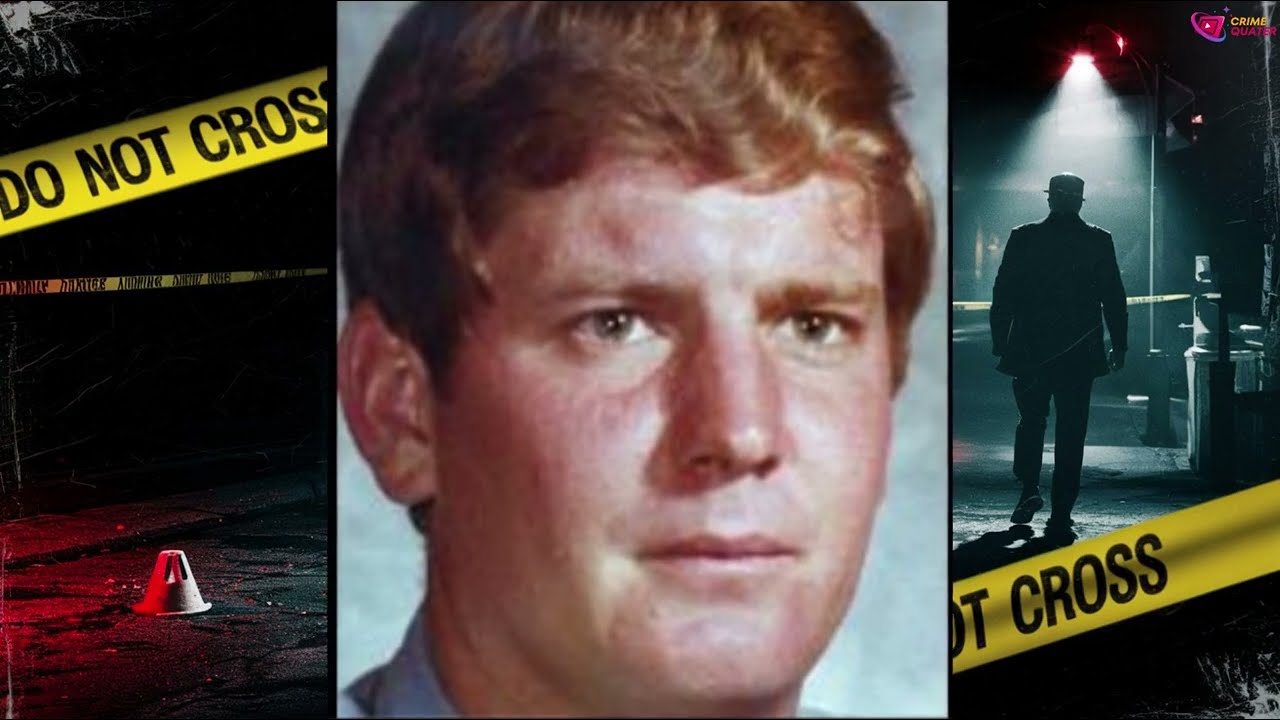
The execution leaves a complex legacy, forcing a reckoning with questions of time, transformation, and ultimate accountability. It underscores the enduring divisions in American society over capital punishment and its application.
Officer Ralph Ablanedo’s name is engraved on the National Law Enforcement Officers Memorial in Washington, D.C. His murder profoundly impacted the Austin Police Department and shaped training protocols for high-risk traffic stops.
Powell’s final day followed the standard protocol for Texas executions. He was moved to the Huntsville “Walls” Unit, allowed visits, and provided his last meal before the lethal injection was administered.
With Powell’s death, Texas has executed six individuals this year. The state maintains the most active death chamber in the United States, a fact that continues to draw international scrutiny and domestic debate.
The story of David Lee Powell remains a chilling study in potential lost, and lives shattered. It serves as a grim reminder of how quickly routine police work can turn fatal and how the pursuit of justice can span generations.
As the legal process concludes, the human questions persist. They linger for the families involved, the legal community, and a public still grappling with the moral calculus of crime, punishment, and the possibility of change within the confines of a death row cell.
Source: YouTube