In a chilling conclusion to a controversial case, Leonard Taylor was executed on February 7, 2023, at the Potosi Correctional Center in Missouri. Convicted of murdering his girlfriend Angela Row and her three children, Taylor maintained his innocence until the very end, prompting fierce debates over the validity of his conviction and the evidence presented against him.
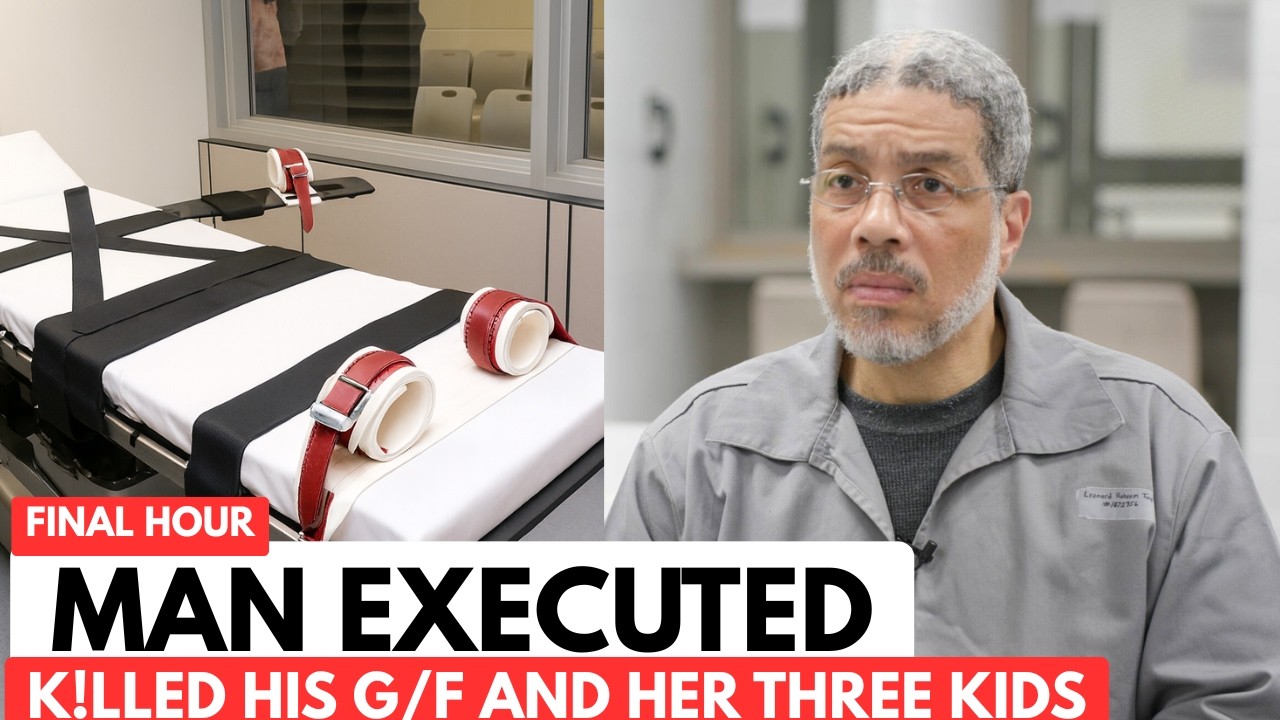 As the clock struck 6:07 PM, the 58-year-old took his final breaths, marking a somber moment in a case that had captivated and divided public opinion for nearly two decades. Taylor’s execution followed years of legal battles, during which doubts about the evidence and witness testimony were raised, yet the state remained resolute in its stance.
The harrowing details of the crime emerged on December 3, 2004, when authorities discovered the bodies of Angela Row, 28, and her three children—Alexis, 10, Acraa, 6, and Tyrese, 5—in their Jennings home. The scene was described as one of unimaginable violence, with all four victims shot execution-style.
Investigators quickly turned their focus to Taylor, who was in a relationship with Angela. However, he had already fled to California by the time the bodies were found, raising critical questions about the timeline of the murders. Did he flee the scene, or was he already gone when the killings occurred?

During the trial in 2008, prosecutors presented a confession from Taylor’s brother, DNA evidence, and a revised time of death that placed Taylor at the scene. However, Taylor’s defense team argued that the confession was coerced and highlighted the absence of a murder weapon or eyewitnesses, emphasizing the shaky foundation of the prosecution’s case.
As the years passed, Taylor’s legal team and innocence advocates mounted multiple appeals, asserting that critical evidence of his innocence was never fully examined. The Midwest Innocence Project and various civil rights organizations rallied for clemency, fearing an irreversible mistake was being made.

Despite these efforts, Governor Mike Parson denied clemency, and the Missouri Supreme Court upheld the conviction. The U.S. Supreme Court also declined to intervene, leaving Taylor’s fate sealed. In his final moments, he expressed a sense of peace, choosing to leave behind a written message rooted in his faith.
Witnesses reported that as the lethal injection was administered, Taylor’s body moved slightly before he took several deep breaths and succumbed to the drugs. He was pronounced dead just nine minutes later, leaving behind a complex legacy marked by tragedy and unresolved questions.

In the aftermath, Angela Row’s sister, Gjun, reflected on the execution, stating, “Justice is served. Not really.” This ambiguous sentiment encapsulates the conflicting emotions surrounding the case, echoing the pain felt by both the victims’ family and Taylor’s supporters.
As the dust settles, the haunting question remains: Did Missouri execute an innocent man? The case of Leonard Taylor serves as a chilling reminder of the complexities of justice, the fragility of life, and the profound impact of a flawed system.