James Edward Barber was executed by lethal injection early on July 21, 2023, at Holman Correctional Facility in Atmore, Alabama, after spending 22 years on death row. His execution, a culmination of a violent crime committed in 2001, reignited debates on justice, forgiveness, and the death penalty in America.
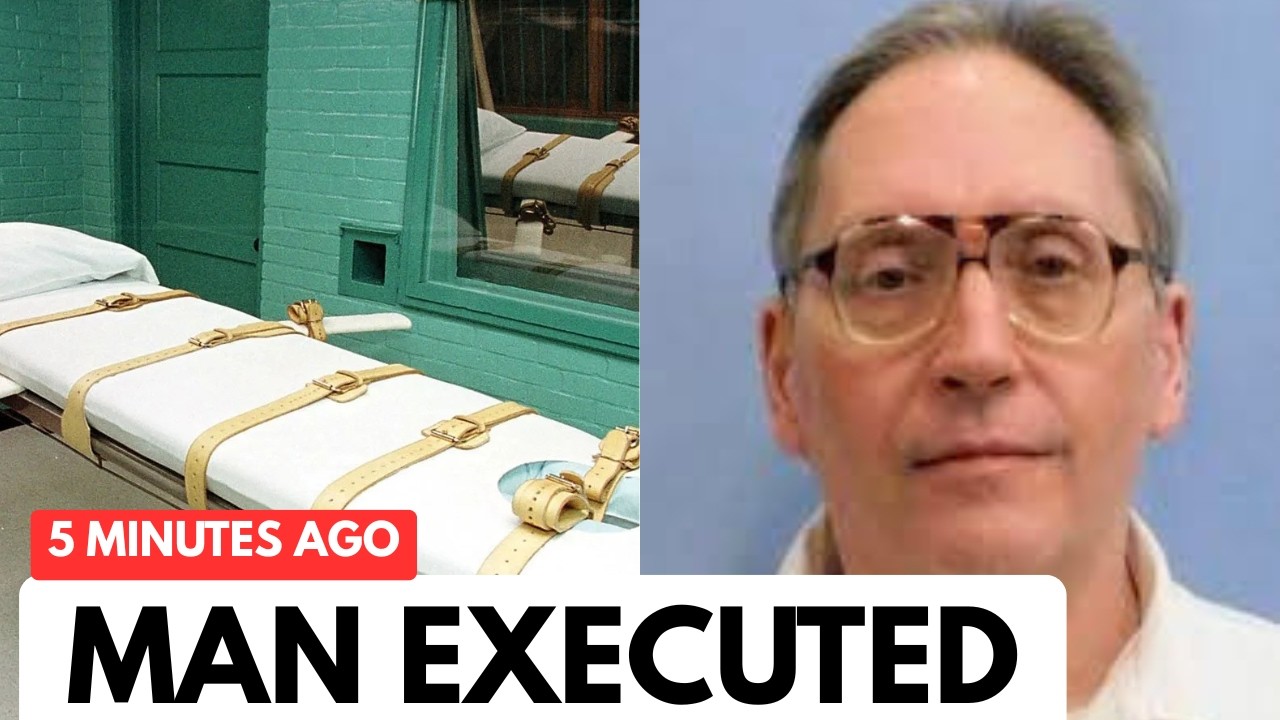 As the clock struck 1:56 a.m., Barber’s life came to a close, marking a significant moment for a case that had haunted the state for over two decades. The execution followed a prolonged legal battle that included last-minute appeals, but ultimately the U.S. Supreme Court denied a stay, allowing the execution to proceed.
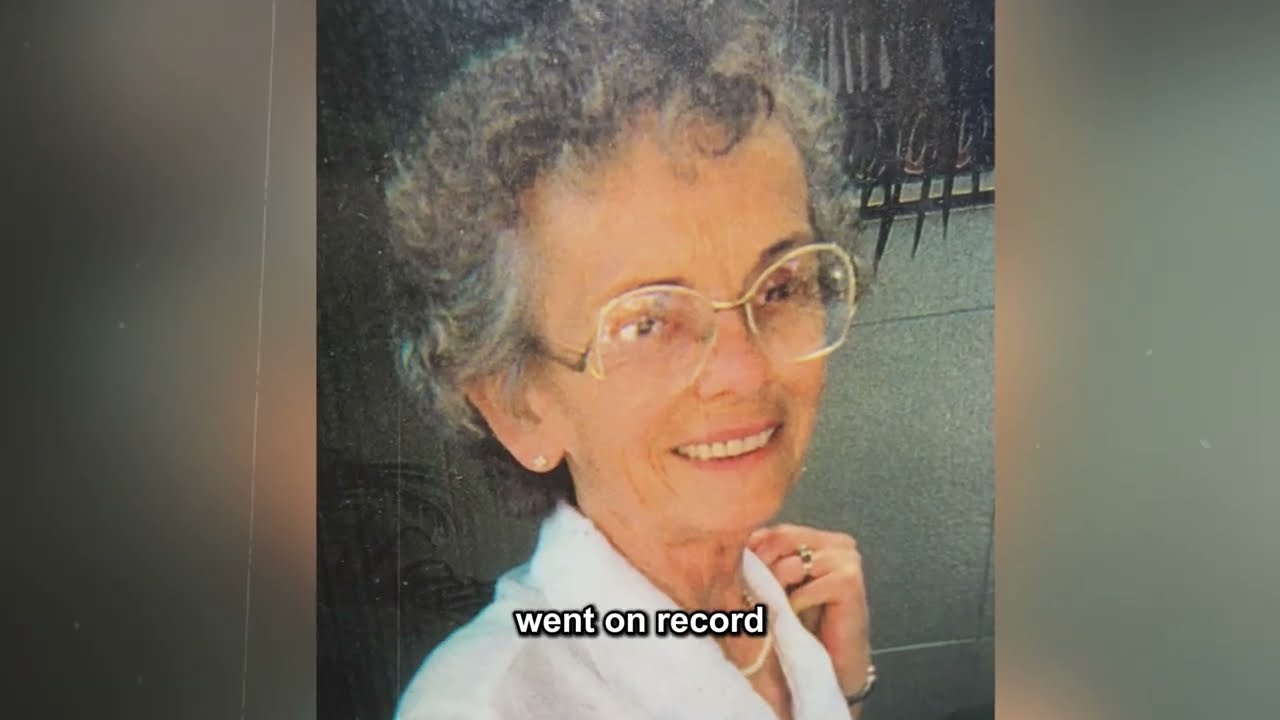
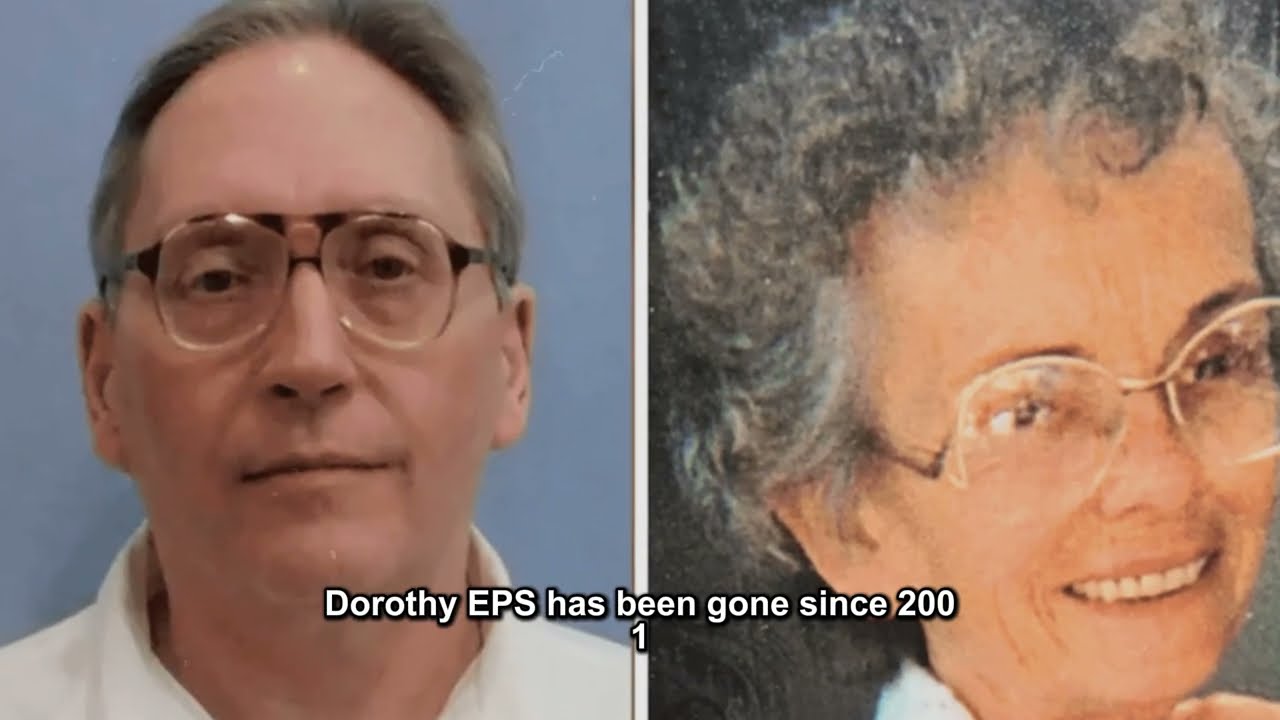
Barber’s crime, the brutal murder of 75-year-old Dorothy Epps, shocked the Harvest community. On a fateful night in May 2001, he entered her home seeking money, leading to a violent struggle that claimed her life. The details of that night remain etched in the memories of those who knew Epps, a woman who had opened her door to a familiar face.
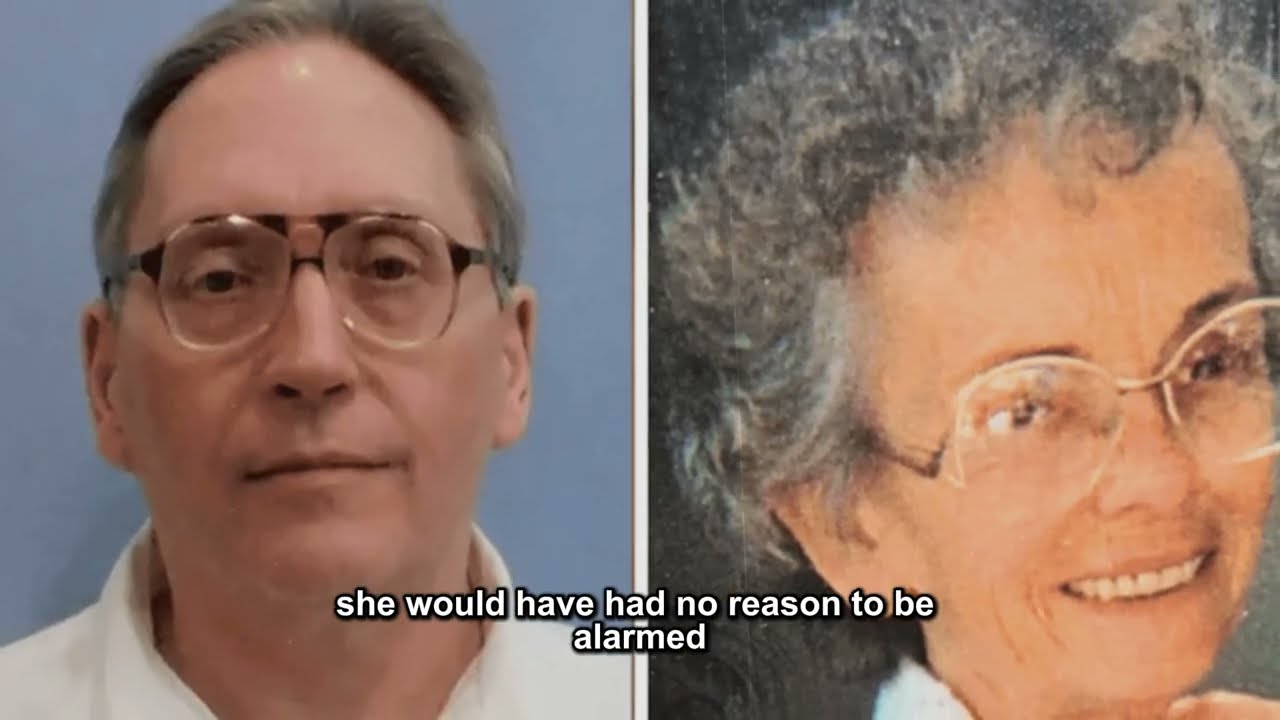 During his time on death row, Barber underwent a profound transformation, publicly expressing remorse and seeking forgiveness. His journey included a spiritual awakening that he documented in letters, where he described finding peace amidst chaos. This change, however, did not erase the pain of his actions or the grief of Epps’s family.
In a remarkable twist, Dorothy Epps’s granddaughter, Sarah Gregory, reached out to Barber years after the murder, offering her forgiveness. Their correspondence became a poignant narrative of reconciliation, challenging conventional views on justice and mercy. Gregory’s stance against Barber’s execution added a complex layer to the ongoing debate surrounding capital punishment in Alabama.
As Barber prepared for his execution, he shared a final meal of loaded hash browns and a western omelet, reflecting on the gravity of the moment. Witnesses reported an unexpected scene as Barber and those present sang hymns, a poignant expression of faith as he faced his fate.
 When asked for his last words, Barber addressed Epps’s family, expressing deep sorrow for his actions. “I love them. I’m sorry for what happened,” he stated, before turning to officials in the chamber, offering them forgiveness. His final moments were a blend of remorse and an unsettling calm, leaving witnesses grappling with the weight of his words.
Barber’s execution marked Alabama’s first successful lethal injection since a series of botched attempts in 2022, reigniting scrutiny on the state’s execution protocols. Attorney General Steve Marshall declared that “justice has been served,” but the complexities of the case left many questioning the true meaning of justice.
Dorothy Epps’s tragic death and Barber’s subsequent execution have opened new conversations about the death penalty. As Alabama navigates these discussions, the legacy of this case serves as a reminder of the profound impacts of violence, forgiveness, and the quest for justice in a divided society.