In a stunning revelation that has reignited global discussion about the iconic 2004 film, actor Jim Caviezel has detailed profound spiritual encounters, including feeling spoken to by Jesus Christ, during the grueling production of The Passion of the Christ. These claims, emerging from years of interviews, describe a filming process marred by extreme physical suffering and bizarre, near-fatal accidents, framing the movie’s creation as an almost supernatural ordeal. Caviezel’s account transcends typical actorly reflection, suggesting a divine interaction that continues to captivate and divide audiences and believers two decades after the film’s seismic release.
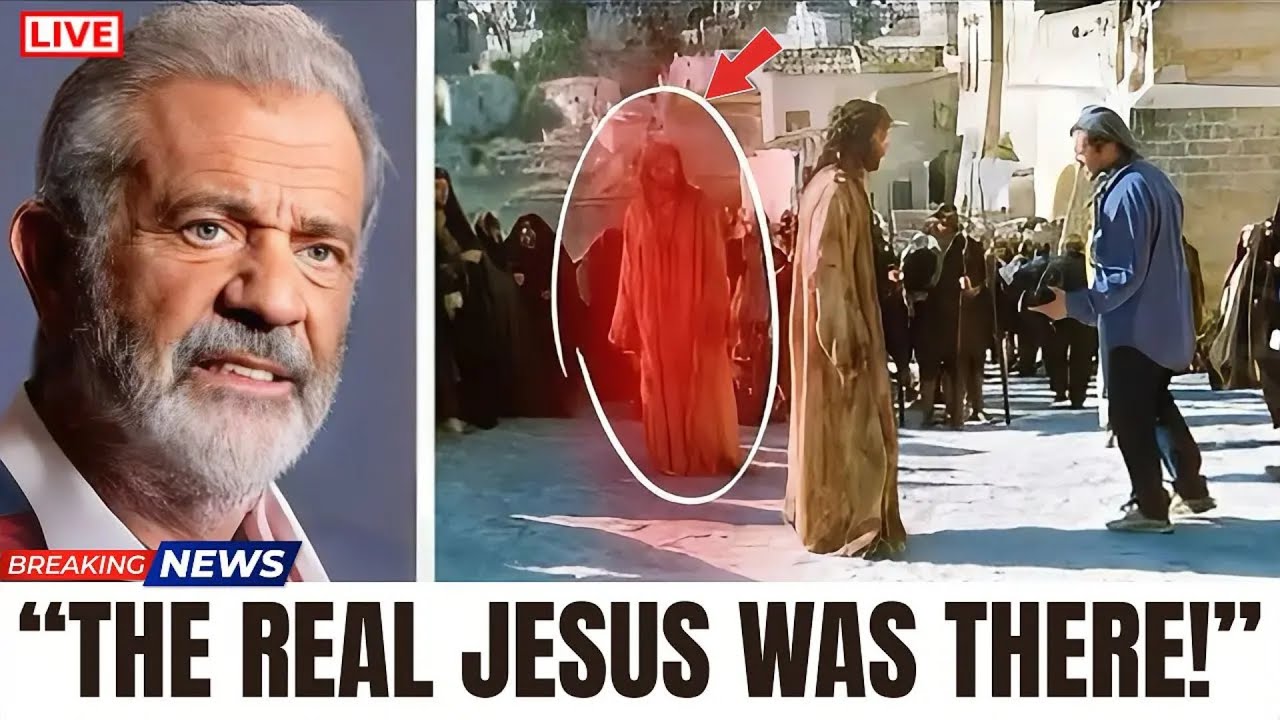
The actor, who was 33 years old—the same age as Jesus at the crucifixion—when filming began, has consistently described accepting the role as part of a divine plan. He was warned it could damage his Hollywood career, yet he proceeded, embarking on what he calls a transformative spiritual journey. The physical demands were brutal and well-documented, with Caviezel enduring hypothermic conditions, a dislocated shoulder from carrying the 150-pound cross, a severe lung infection, and a real scar from a mishandled whip during the scourging scene.
However, the most chilling incidents involved the elements. During a storm while filming the crucifixion on a hilltop in Italy, Caviezel was reportedly struck by lightning while fastened to the cross. The violent shock threw him to the ground, terrifying the crew. Astonishingly, this was not an isolated event; multiple lightning strikes were reported in his vicinity throughout the production. While skeptics dismiss this as a dangerous coincidence, many on set and in the audience have interpreted it as a sign of the film’s intense spiritual gravity.
At the heart of the ongoing fascination are Caviezel’s persistent descriptions of a guiding, communicative presence during his performance. He has articulated in various interviews a sense of being led through scenes, experiencing emotions, and delivering lines that felt channeled rather than crafted. The actor clarifies he did not hear an audible voice, but rather a powerful, unmistakable spiritual impression of guidance and communication that he attributes directly to Jesus.

This claim resonates deeply within Christian theology, which holds that God communicates with believers through various means. For millions of viewers worldwide, Caviezel’s testimony amplifies the film’s impact, transforming it from a cinematic re-enactment into a potential vessel for lived spiritual experience. It blurs the line between portrayal and participation, suggesting the actor may have been a conduit for a message far greater than himself.
The aftermath of the film’s unprecedented success created a paradox for its star. While The Passion of the Christ earned hundreds of millions globally, Caviezel has stated that Hollywood opportunities dwindled, with studios wary of his indelible association with the intensely religious role. He expresses no regret, maintaining that portraying Jesus was the supreme honor of his life and career, a calling that outweighed any professional cost.
Director Mel Gibson’s vision demanded a harrowing authenticity, and Caviezel’s suffering became a central part of the film’s narrative, both on and off screen. The actor has drawn direct parallels between his injuries and the scriptural descriptions of Christ’s passion, citing verses like Isaiah 53:5 to contextualize his ordeal as a means to deeper understanding. This fusion of art, faith, and personal trial created a unique cultural artifact.

Two decades later, the legacy of the film is inextricably linked to these behind-the-scenes accounts. They fuel endless discussion in religious circles, film studies, and popular culture. For skeptics, they are the poignant reflections of a dedicated actor immersed in a psychologically and physically taxing role. For believers, they are powerful affirmations of faith, modern-day testimonies that the story of Christ remains dynamically alive.
Caviezel himself consistently redirects focus from his experiences to the central message of the Gospel, particularly John 3:16. His narrative is not presented as a claim of personal sanctity but as a witness to the overwhelming nature of the story he helped tell. The enduring intrigue lies in this intersection of cinematic history and personal mysticism, a rare instance where the making of a film became, for many, a compelling extension of its sacred subject matter.
The ongoing cultural and religious significance of The Passion of the Christ is undeniable, and Caviezel’s shocking claims ensure its production story remains as gripping as the film itself. They challenge conventional boundaries between performance and prayer, between artistic method and spiritual manifestation, ensuring the conversation about this landmark film continues to evolve, inspire, and provoke long after the final credits roll.
Source: YouTube