A statue symbolizing the ancient deity Baal has been set ablaze in Iran, igniting fervent discussion among global Christian communities about potential prophetic significance. The act occurred amidst nationwide demonstrations marking the anniversary of the Islamic Revolution, where crowds also burned American and Israeli flags. For many students of biblical prophecy, the location and the target are profoundly symbolic, pointing to a potential spiritual shift in a region central to scriptural history.
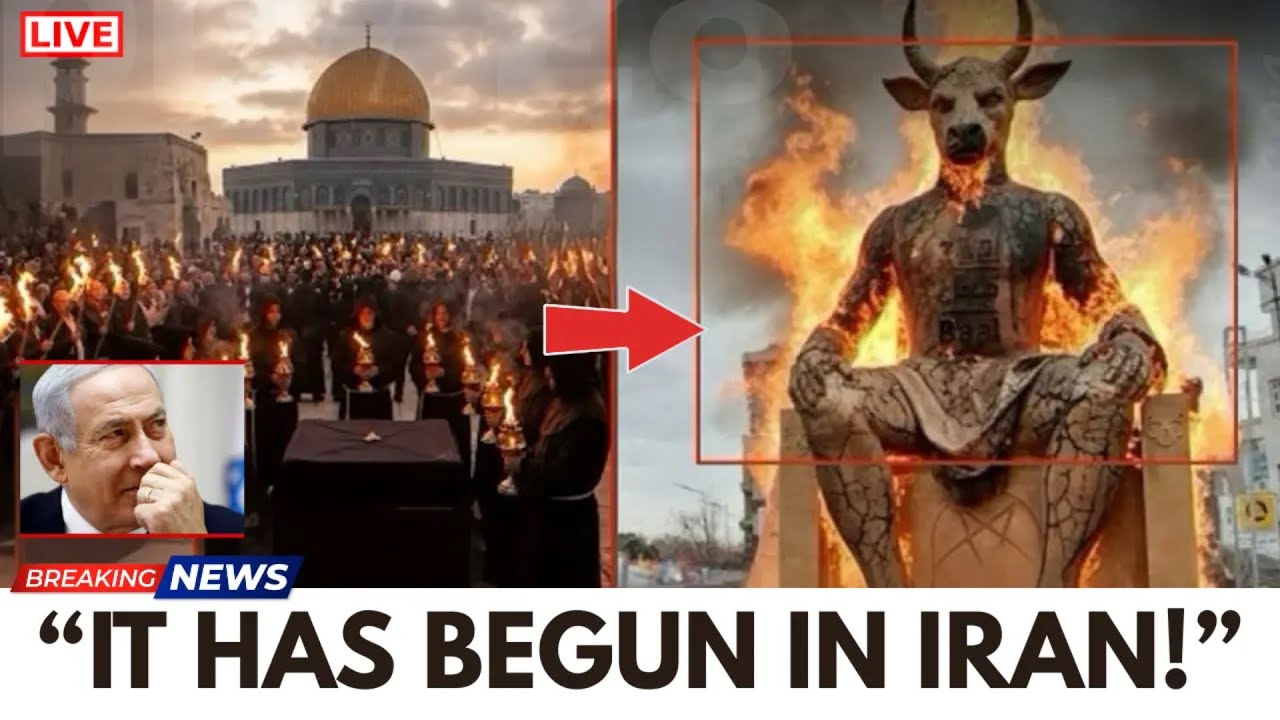
The event was captured in widely circulated images and reports from Iran’s capital. It coincides with a period of heightened geopolitical tension, recalling recent high-level meetings between U.S. and Israeli leaders. The visual of a Baal effigy consumed by flames in modern-day Persia has resonated deeply with believers who interpret it through a theological lens, questioning if it signals a turning point.
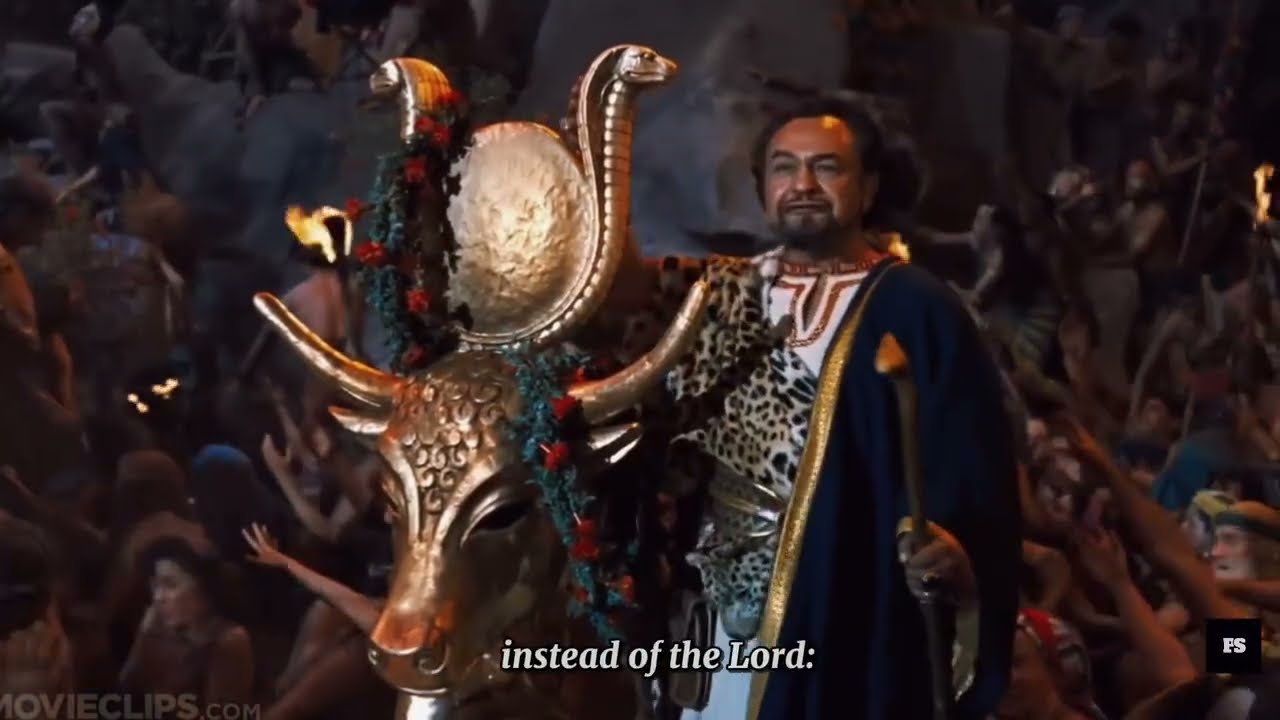
To understand the reaction, one must grasp Baal’s role in the Old Testament. Baal was a primary rival to the God of Israel, a title for false gods associated with Canaanite worship, ritual immorality, and even child sacrifice. The prophets of Israel engaged in constant spiritual warfare against this idolatry, with Elijah’s confrontation on Mount Carmel being the most iconic.
In that foundational story, the prophet Elijah challenged 450 prophets of Baal to call down fire from heaven. Their failure, followed by God’s dramatic answer, led the people to proclaim, “The Lord, he is God.” This narrative establishes the destruction of Baal worship as a supreme victory for divine truth over empty idolatry, a theme etched into Judeo-Christian consciousness.
The modern nation of Iran sits upon the land of ancient Persia, an empire with a complex role in biblical narrative. Persian King Cyrus is notably called God’s “anointed” for decreeing the Jewish return from exile and the rebuilding of the Temple. Conversely, Persia is also named in the prophetic visions of Daniel and Ezekiel concerning latter-day conflicts.
This dual identity makes any biblically-linked event in Iran a focal point for prophetic analysis. The act of burning an idol is itself a powerful scriptural motif, often representing national repentance or divine judgment. King Josiah’s reforms, detailed in 2 Kings, involved systematically breaking down altars to Baal and burning idolatrous objects to cleanse Judah.
Many Christian commentators are urging caution against definitive interpretation, noting that not every current event is a direct prophecy fulfillment. However, they simultaneously point to Christ’s command to “keep watch” for signs of the times. This incident is seen by some as a symbolic, if not literal, indicator of crumbling spiritual strongholds.
Reports from within the region of increasing spiritual openness, including dreams and visions of Jesus, add a layer of context for observers. They speculate whether the physical burning of a statue mirrors a deeper, spiritual rejection of emptiness and a hunger for truth among individuals, even under restrictive regimes.
Theological experts expand the definition of Baal beyond ancient stone. They describe it as any spirit of rebellion that places power, politics, wealth, or control above the Creator. In this view, the incident serves as a mirror for global self-reflection, challenging modern societies to identify their own pervasive idols.
Ezekiel’s prophecy of a northern alliance involving “Persia” ensures Iran remains a fixture in eschatological study. While interpretations vary widely, a common thread is the belief that God sovereignly moves through nations and history. The destruction of an idol, therefore, is seen by some as a reminder of God’s ultimate authority over human affairs.
Reactions within the faith community emphasize prayer over panic. Leaders are calling for intercession for the Iranian people, that physical acts might foreshadow spiritual breakthroughs, and that hearts would be freed from all forms of bondage. The focus remains on hopeful watchfulness, grounded in scripture.
The overarching message drawn by believers from this event is one of enduring spiritual truth. It underscores a conviction that false systems, ancient and modern, are transient. As global dynamics shift, many see this moment as a stark reminder: idols may be erected for a season, but they cannot withstand the eternal narrative of a sovereign God.
Ultimately, the burning of the Baal statue transcends a mere news item for a global audience interpreting history through prophecy. It catalyzes theological discussion, spiritual examination, and renewed focus on the biblical promise that every falsehood will ultimately be exposed and overcome by divine truth.
Source: YouTube