A state has executed a man whose case became a national flashpoint over race, redemption, and the finality of justice, following extraordinary pleas for mercy from the very officials who condemned him. Richard Bernard Moore, 57, was pronounced dead by lethal injection at 6:24 p.m. on November 1st at the Broad River Correctional Institution in Columbia, South Carolina.
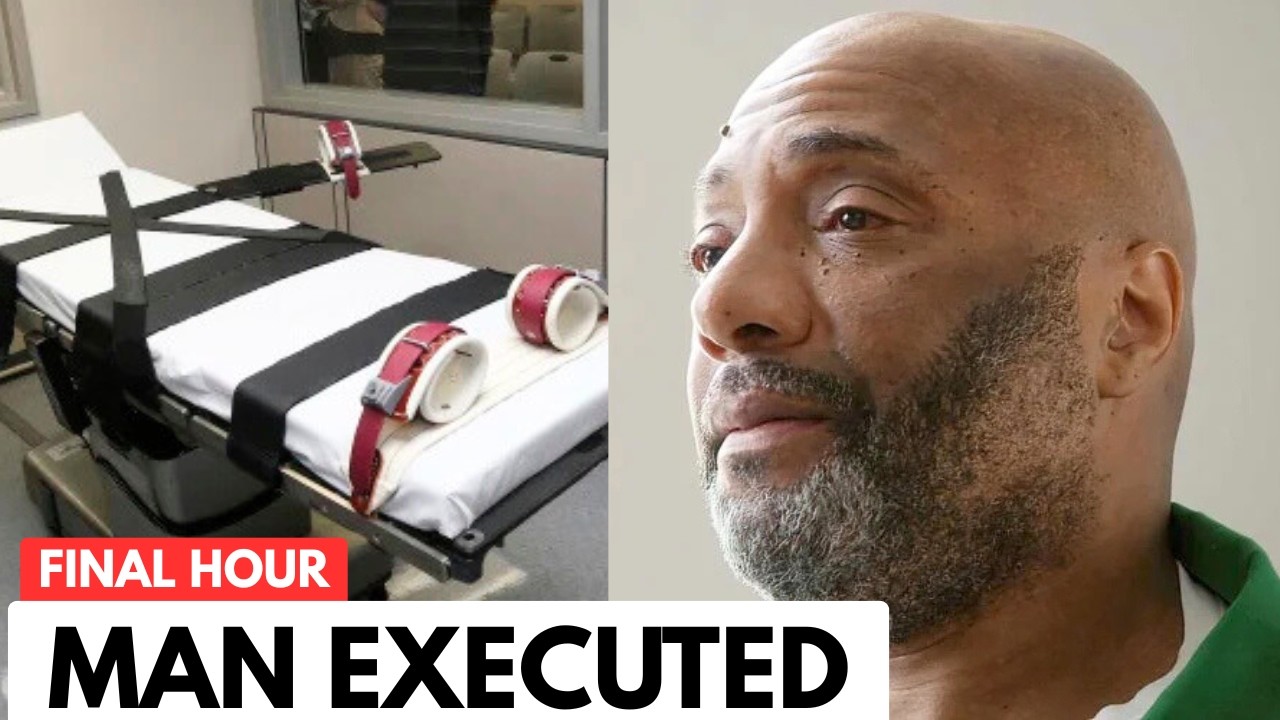
His death came 23 years after a fatal convenience store robbery and after a clemency campaign of unprecedented scope. The judge who imposed his death sentence, three jurors who voted for it, and a former prison director who is a staunch death penalty supporter all begged the governor to spare his life. Their requests were denied.
Moore’s final statement, read by his attorney as he lay strapped to a gurney, expressed love for his family and remorse for his victim. “To the family of Mr. James Mahoney, I am deeply sorry for the pain and sorrow I caused you all,” the statement began. “To my children and granddaughters, I love you and I am so proud of you.”
The execution marks South Carolina’s second since resuming capital punishment in September 2024 after a 13-year hiatus. Moore becomes the 45th person executed in the state since the death penalty was reinstated. His case, however, was singular, exposing deep fissures in the legal process and challenging notions of irreversible punishment.
The crime occurred in the early hours of September 16, 1999, at Nikki’s Speedy Mart in Spartanburg. Clerk James Mahoney, 42, was shot and killed during a struggle. Moore, then 34, was apprehended nearby with a gunshot wound to his arm and $1,400 in stolen cash. He immediately confessed to deputies.
At his 2001 trial, prosecutors secured a conviction and death sentence. The jury found three aggravating factors: murder during armed robbery, creating a great risk to others, and murder for monetary gain. A critical controversy would later define the case: prosecutors struck every eligible African American from the jury pool.
The resulting jury of 11 white members and one Hispanic member convicted a Black man for killing a white store clerk. Moore was the last person on South Carolina’s death row convicted by a jury with no Black members. He did not testify but was prevented by the judge from telling jurors his life was at stake.

What unfolded over the next two decades on death row formed the core of the clemency argument. Moore was baptized, maintained a spotless disciplinary record for over 20 years, and became a devoted father and grandfather from behind bars. He created art, exchanged puzzles with his daughter, and called his family every Sunday.
Former South Carolina Department of Corrections Director Jon Ozmint, a vocal death penalty proponent, watched this transformation. For the first time in his career, he recommended clemency, calling Moore a “reliable, consistent force for good on death row.” This endorsement carried significant weight.
As his final execution date neared, the pleas mounted. Judge Gary Clary, who presided over the 2001 trial, wrote to Governor Henry McMaster. “Moore’s case is unique,” Clary wrote, “and after years of thought and reflection, I humbly ask that you grant executive clemency.” Three jurors also submitted letters requesting life without parole.
They argued that the man to be executed was not the same person convicted 23 years prior. A coalition of family, friends, pastors, and advocates framed the decision as a test of whether the justice system could acknowledge profound rehabilitation. The victim’s family opposed clemency.
Governor McMaster announced his decision on November 1st. After reviewing materials and speaking with the victim’s family, he denied clemency. He provided no specific reasoning. The execution proceeded as scheduled, ending a nearly 50-year precedent where no South Carolina governor had commuted a death sentence.

For his final meal, Moore requested an expansive spread of Southern comfort food: medium steak, fried catfish and shrimp, scalloped potatoes, peas, broccoli with cheese, sweet potato pie, German chocolate cake, and grape juice. He had chosen lethal injection over the firing squad or electric chair.
In the death chamber, witnesses observed Moore already on the gurney, a blanket covering his body, eyes closed. The lethal injection began at 6:01 p.m. His attorney, Lindsey Vann, wept quietly, clutching a prayer bracelet. Moore took several deep breaths, then his breathing shallowed and stopped by approximately 6:04 p.m.
Officials pronounced him dead 21 minutes later. The protracted time is not uncommon with lethal injection protocols. Outside the prison, a small group of protesters held a vigil, reading the names of others executed by the state.
The execution concludes a legal saga but ignites a lasting debate. It forces examination of racial dynamics in jury selection, the weight of post-sentencing transformation, and the finality of a punishment demanded by a jury whose own members later sought mercy.
James Mahoney’s family receives a permanent, painful closure. Richard Moore’s family loses a man they say became a source of love and guidance. The state of South Carolina reaffirms the ultimate penalty for a crime committed a quarter-century ago, deciding that the redemption demonstrated over 23 years was not enough.
Source: YouTube