In a chilling culmination of legal battles and moral dilemmas, Napoleon Beasley was executed by lethal injection on May 28, 2002, at the age of 25. His case sparked national debate over juvenile capital punishment after he was convicted of murdering 63-year-old John Ludy during a botched carjacking in Tyler, Texas, in 1994.

Beasley’s life took a tragic turn on that fateful night when he and two accomplices attempted to steal a luxury car. What began as a planned robbery escalated into a deadly confrontation, resulting in the senseless murder of John Ludy. The crime shocked the community, especially given Ludy’s status as a respected businessman and the father of a prominent federal judge.
After the brutal shooting, police swiftly launched an investigation, gathering evidence and witness statements that ultimately pointed to Beasley as the primary suspect. Despite being a model student and athlete with a bright future, Beasley fell into a life of crime, leading to his arrest and subsequent capital murder charge.

During his trial in 1995, prosecutors presented compelling evidence, including testimonies from his accomplices, who cooperated with law enforcement. They painted a picture of a premeditated crime, and the jury found Beasley guilty, sentencing him to death. His age—just 17 at the time of the crime—sparked discussions about the ethics of executing minors.
As Beasley spent years on death row, he reportedly underwent significant personal reflection, expressing remorse for his actions. His case attracted attention not only for its tragic circumstances but also for its implications regarding juvenile justice. Despite numerous appeals and national debates surrounding the death penalty for minors, Beasley’s execution proceeded as scheduled.
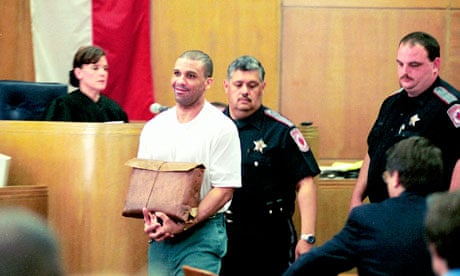
In his final moments, Beasley declined a last meal and delivered a poignant statement, reflecting on the nature of justice and expressing sorrow for the pain caused by his actions. He emphasized that no one would find closure in the execution, highlighting the moral complexities surrounding capital punishment.
At 6:17 p.m., Beasley was pronounced dead, closing a chapter marked by tragedy and raising profound questions about justice, redemption, and the consequences of crime. His case remains a significant touchstone in the ongoing discourse about the morality of the death penalty, especially for those who commit crimes as minors.