Demetrius Terren Frazier, a notorious serial killer and rapist, was executed on February 6, 2025, at Holman Correctional Facility in Alabama. His death came after a long history of horrific crimes, including the brutal murders of two women. Frazier’s execution marked a significant moment in the ongoing debate over the death penalty and justice in America.

Frazier’s last meal was a hearty selection from Taco Bell, featuring a five-layer beef burrito and crispy beef tacos. He expressed remorse in his final statement, apologizing to the victims’ families and suggesting that his confession to the Kendrick murder was coerced. His last words, “Let’s go,” echoed in the chamber as he faced his fate.
The 52-year-old’s crimes left a trail of devastation. In 1991, he murdered 40-year-old Pauline Brown in a brutal attack in Birmingham, Alabama, after robbing and sexually assaulting her. Just months later, he killed 14-year-old Crystal Kendrick in Detroit, Michigan, while attempting to rape her. Both victims were innocent, their lives cut short by Frazier’s depravity.
Frazier’s upbringing in a neglectful environment raised questions about the factors that led him down a path of violence. Despite opportunities for rehabilitation, he became a predator, terrorizing communities across two states. His actions not only claimed lives but also left families grappling with unimaginable loss.
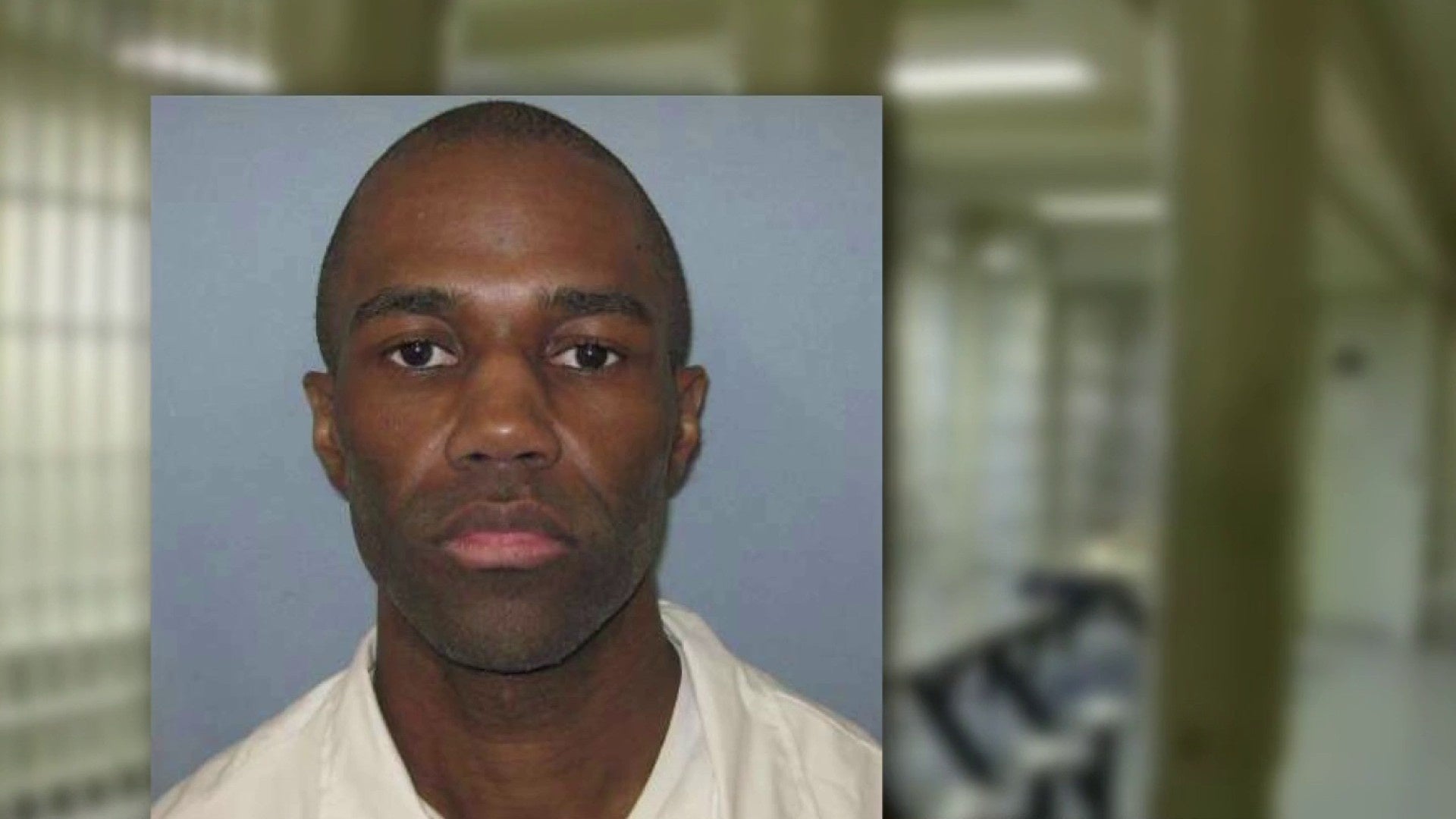
After a series of trials in Michigan and Alabama, Frazier was convicted of multiple charges, including capital murder. His sentencing to death in Alabama came after a jury recommended the punishment, reflecting the severity of his crimes. The execution was a culmination of decades of legal battles and appeals, marking an end to a long chapter of suffering for the victims’ families.
As the execution unfolded, the presence of Pauline Brown’s nephew, Curtis Starks Jr., underscored the emotional weight of the moment. For him and others affected by Frazier’s actions, witnessing justice served brought a sense of closure, albeit a painful one. The case has reignited discussions about the death penalty, especially the method of nitrogen hypoxia used in Alabama.
Critics of the death penalty argue that it raises ethical questions, particularly regarding its application and the potential for wrongful convictions. Frazier’s claims of a false confession have fueled debate about the justice system’s reliability. His case serves as a stark reminder of the complexities surrounding crime, punishment, and the quest for justice.
As Frazier’s life ended, the scars of his actions remain deeply etched in the lives of his victims’ families. The tragic stories of Pauline Brown and Crystal Kendrick highlight the devastating impact of violence and the urgent need for societal reflection on how justice is served. The haunting question lingers: can true justice ever be achieved for those left behind?