The silence that fell was never called for, never written in a script, and it remains the defining memory of one of television’s most sacred portrayals. On the remote Tunisian desert set of Franco Zeffirelli’s “Jesus of Nazareth” in 1976, an unexplained phenomenon repeatedly stilled hundreds of crew and extras, a palpable hush that those present still struggle to articulate decades later.
This profound quiet centered on the moment actor Robert Powell, in full costume as Jesus, walked onto the set. Conversations halted. Laughter from extras died mid-breath. Technicians lowered their tools. This was not a directed silence for filming; it was the spontaneous, collective reaction of a diverse crew, many unfamiliar with the Christian narrative, to the actor’s transformative presence.
Powell’s preparation was itself unprecedented. Cast for the stillness in his eyes, the relatively unknown actor immersed himself solely in the Gospels, avoiding all other films or commentaries. He sought not dramatic effect but the profound restraint he found in the text. This study became the bedrock of a performance built on minimal movement and a penetrating, rarely blinking gaze.
His method extended off-camera. Powell deliberately separated himself from the cast during evenings, forgoing camaraderie to preserve a sense of mystery. The actors playing the disciples reported feeling a genuine, unspoken reverence in his presence, a dynamic that translated directly into their authentic, awe-struck performances on screen.
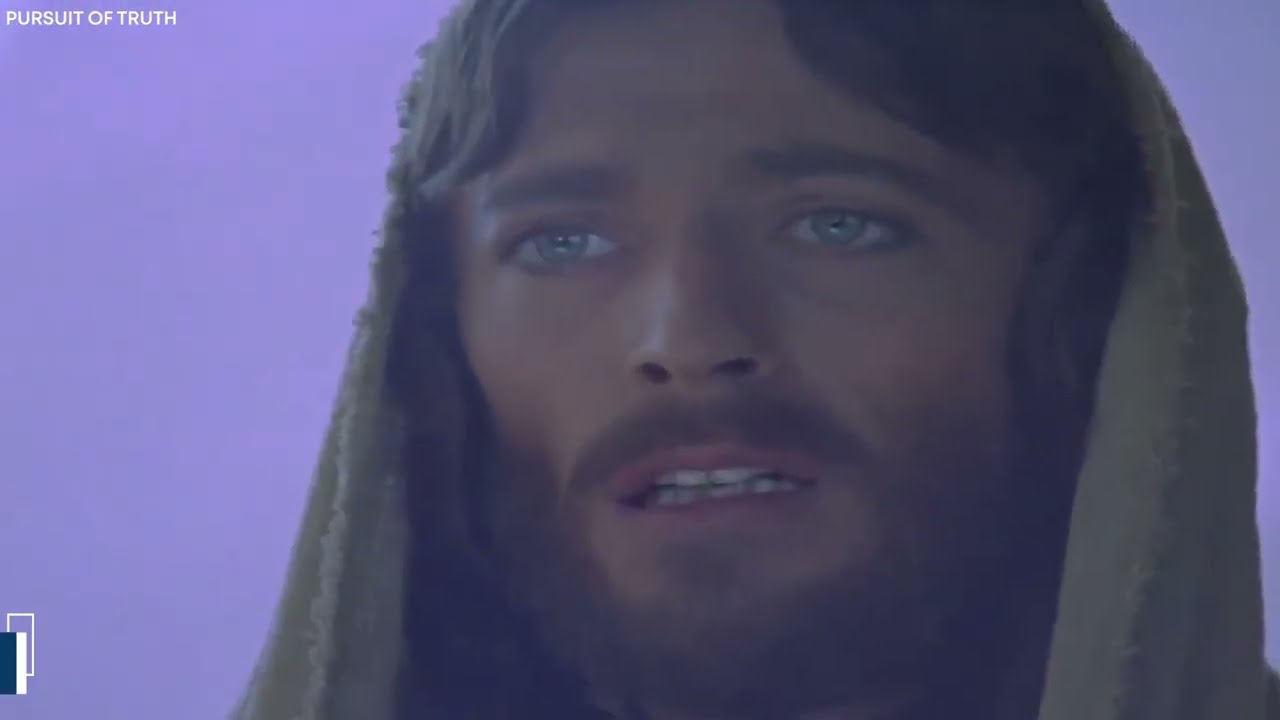
The North African landscape acted as a silent co-star. The ancient, sun-baked vistas of Tunisia and Morocco stripped away the artifice of a soundstage. For Powell and the cast, walking those dusty roads in period costume fostered a tangible connection to the era, making the monumental story feel immediate and real.
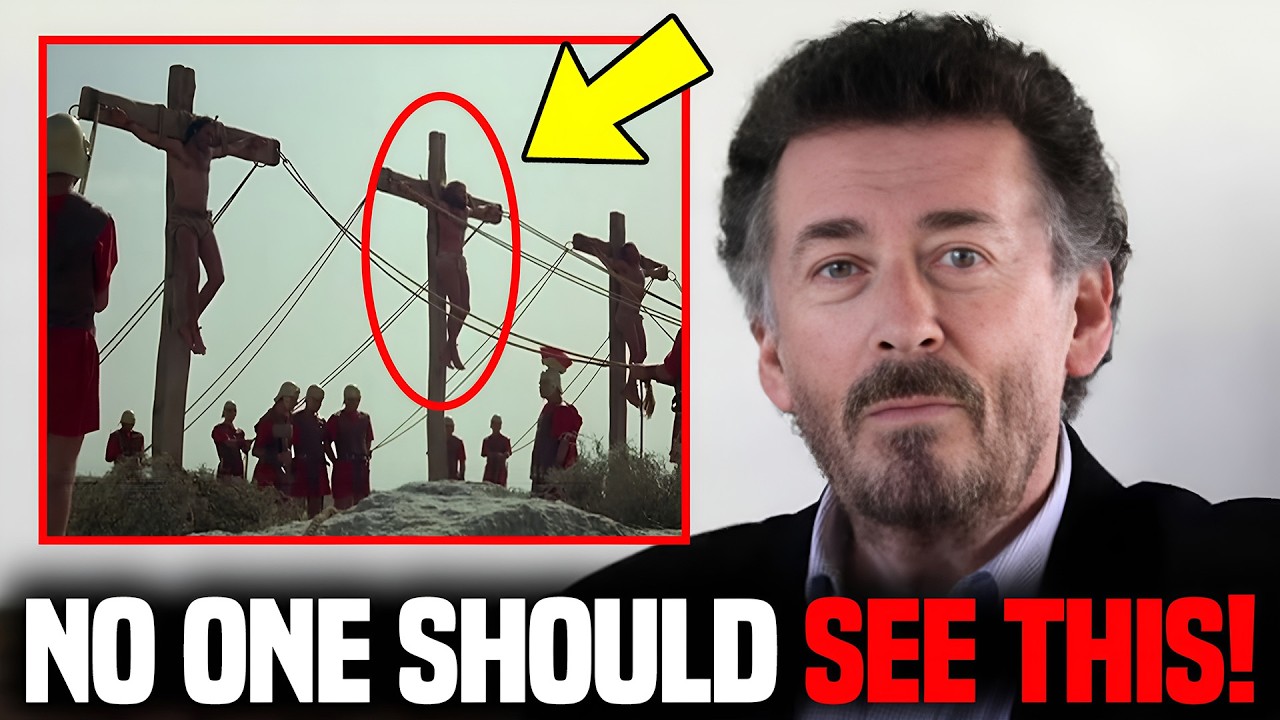
This authenticity reached its peak during the grueling crucifixion sequences. Powell had physically prepared, altering his diet to achieve a gaunt, suffering appearance. As cameras rolled, something extraordinary happened among the local extras portraying the crowd. Dozens began to weep—not on cue, but genuinely—their tears continuing between takes.
Through interpreters, extras confessed the scene no longer felt like a film. One man revealed he was struck not by the production, but by the haunting question of whether the story itself was true. Crew members, typically focused on equipment, reported speaking in whispers, feeling as if they were in a sacred space.
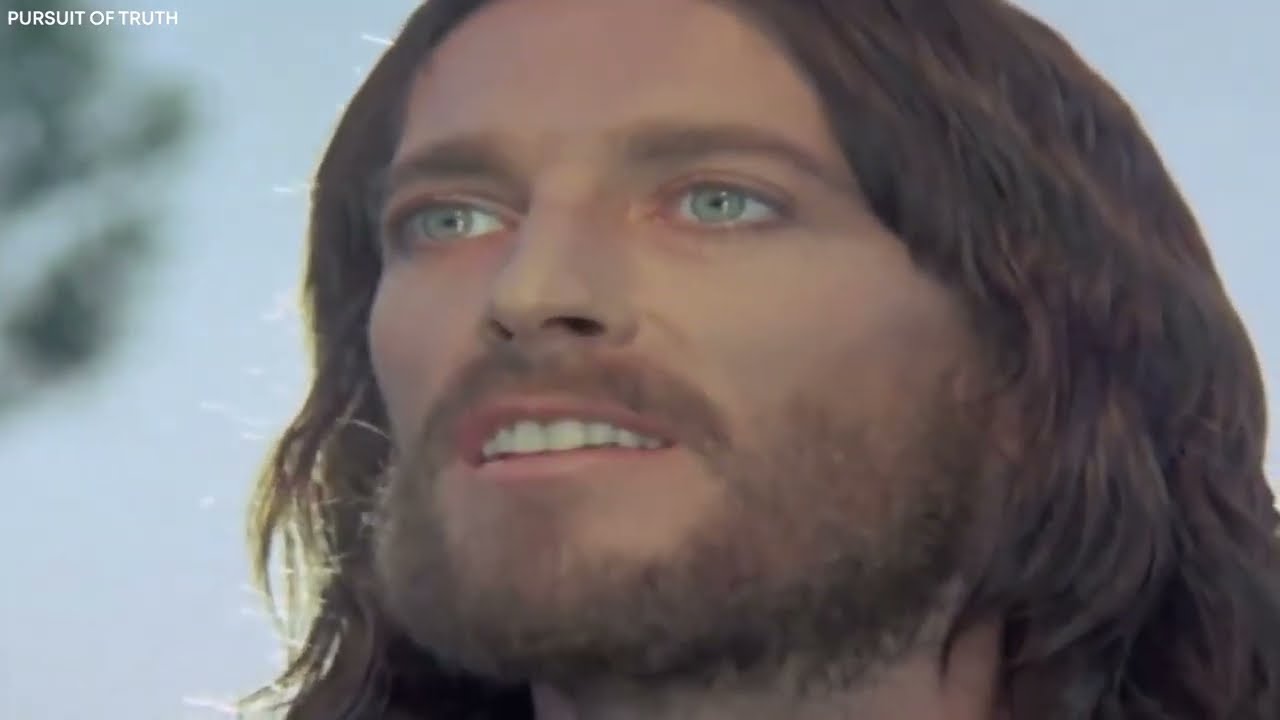
The emotional toll on the principal cast was deep and lasting. Actors portraying the disciples described filming the passion sequences as among the most demanding work of their careers, mourning a presence they had lived alongside for months. Powell himself has often reflected that the role left a permanent, quiet mark on him, an experience that transcended ordinary acting.
First broadcast in 1977 to an audience of 91 million, the mini-series has endured for nearly five decades as the definitive visual portrayal for millions worldwide. Its power stems not from special effects, but from the collective seriousness of hundreds who treated the story with profound respect. The unexplained silence on set was not a manufactured miracle, but the human response to a story told with unwavering conviction and art. It is that reverent integrity which continues to resonate across generations.
Source: YouTube