A New Orleans police officer sworn to protect and serve is now scheduled to be executed for using her badge to commit a triple murder, but a stunning legal development may spare her life. Antoinette Frank, the only woman on Louisiana’s death row, has been granted a new sentencing hearing, potentially upending her 1995 death sentence just months before a scheduled execution.
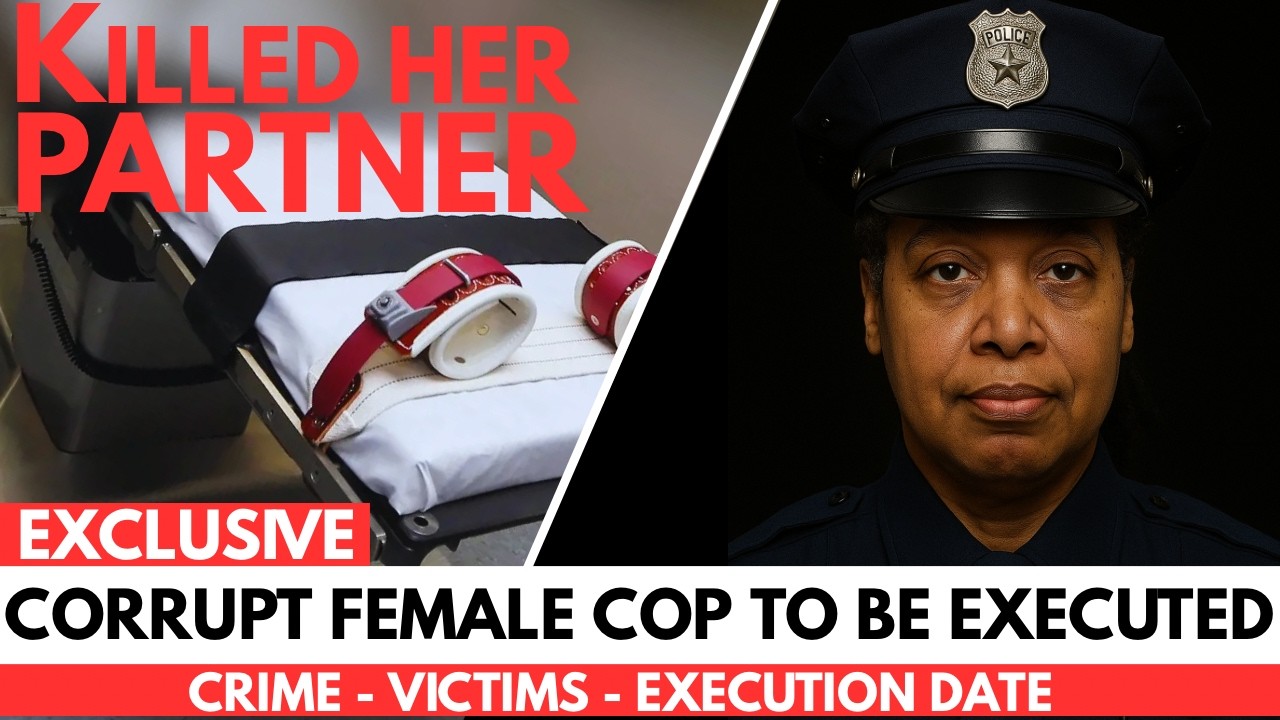
The case, one of the most shocking betrayals of public trust in Louisiana history, stems from a brutal massacre at the Kim Anh restaurant on March 4, 1995. Frank, then an officer with the New Orleans Police Department, used her key to enter the closed Vietnamese restaurant after midnight alongside accomplice Rogers LaCaze.
What followed was a cold-blooded execution. Frank’s partner on a security detail, Officer Ronald A. Williams II, was shot first, ambushed by LaCaze. Frank then turned on the Vu family, who owned the restaurant. After pistol-whipping one victim and finding hidden cash, she executed siblings Ha and Cuong Vu.
Two other employees, hiding in a walk-in cooler, survived the initial attack. Their testimony would prove crucial. After the killings, Frank dropped LaCaze off and then returned to the scene in a patrol car, posing as a responding officer. Her intent, prosecutors argued, was to eliminate the remaining witnesses.
She was immediately confronted by survivor Chau Vu, who screamed, “You killed my brother and sister!” Frank’s attempt to blend in with the investigation failed, and she was arrested at the scene. The evidence against her was overwhelming, including her own detailed confession.
Frank’s trial was a swift affair. Her defense called no witnesses. A jury took only 22 minutes to convict her on all counts and 45 minutes the next day to recommend death. She was formally sentenced to lethal injection on October 20, 1995, one of the fastest death penalty verdicts in New Orleans history.
The horror deepened post-conviction. In late 1995, a neighbor’s dog uncovered a human skull buried beneath Frank’s home. Investigators strongly suspected it was her father, Adam Frank, whom she had reported missing in 1993. Frank had previously confided in about severe childhood abuse, leading many to believe she murdered him years before the restaurant killings.
For nearly three decades, Frank’s execution was delayed through appeals citing traumatic childhood abuse, PTSD, and claims of inadequate defense funding. The execution path seemed to clear in 2023 when the Louisiana Board of Pardons denied clemency for her and most other death row inmates.
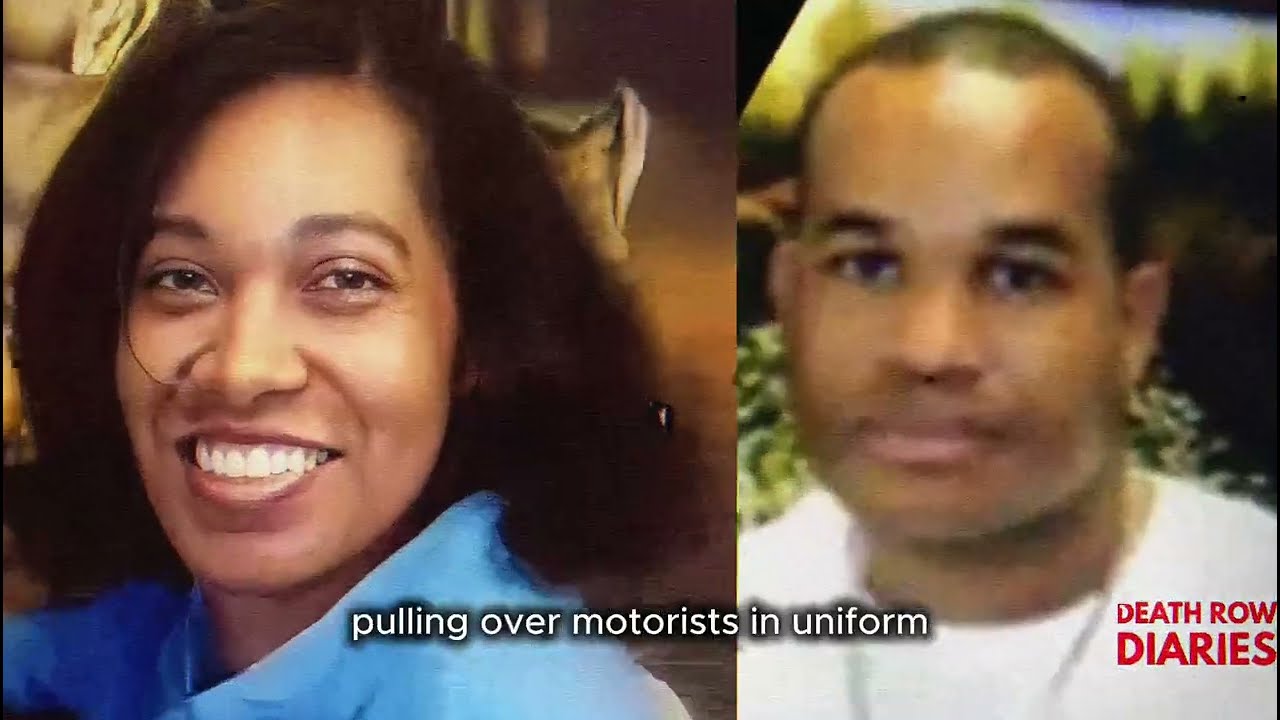
The state resumed executions in 2025 using nitrogen hypoxia. However, Frank’s lawyers filed a new motion challenging her sentence. In a pivotal ruling on May 15, 2025, a judge accepted the appeal and scheduled a new sentencing hearing for December 2025.
This decision throws her scheduled execution into serious doubt. It marks the first genuine opportunity in thirty years for Frank to potentially have her death sentence commuted to life imprisonment. The state attorney general’s office objected to the hearing but was overruled.
The case has always raised profound questions about systemic failure. Frank was hired by the NOPD in early 1993 despite failing two psychiatric evaluations. One doctor explicitly warned the department not to hire her, citing a lack of emotional resilience and confidence under pressure.
Her pre-murder conduct was riddled with red flags. She engaged in a secret romantic relationship with Rogers LaCaze, a known drug dealer she first met as a victim in a shooting. Witnesses reported seeing them together in her patrol car, and they were allegedly involved in joint robberies.
One month before the murders, a sheriff’s deputy witnessed Frank in uniform while LaCaze brandished a weapon during an altercation. Frank vouched for LaCaze, calling him “the good guy.” The incident was never formally investigated.
This history paints a damning picture of missed opportunities to prevent tragedy. Frank’s story is a grim study in how a person entrusted with ultimate authority can become a lethal predator. It exposes flaws in police vetting, oversight, and the complex interplay between severe trauma and criminal responsibility.
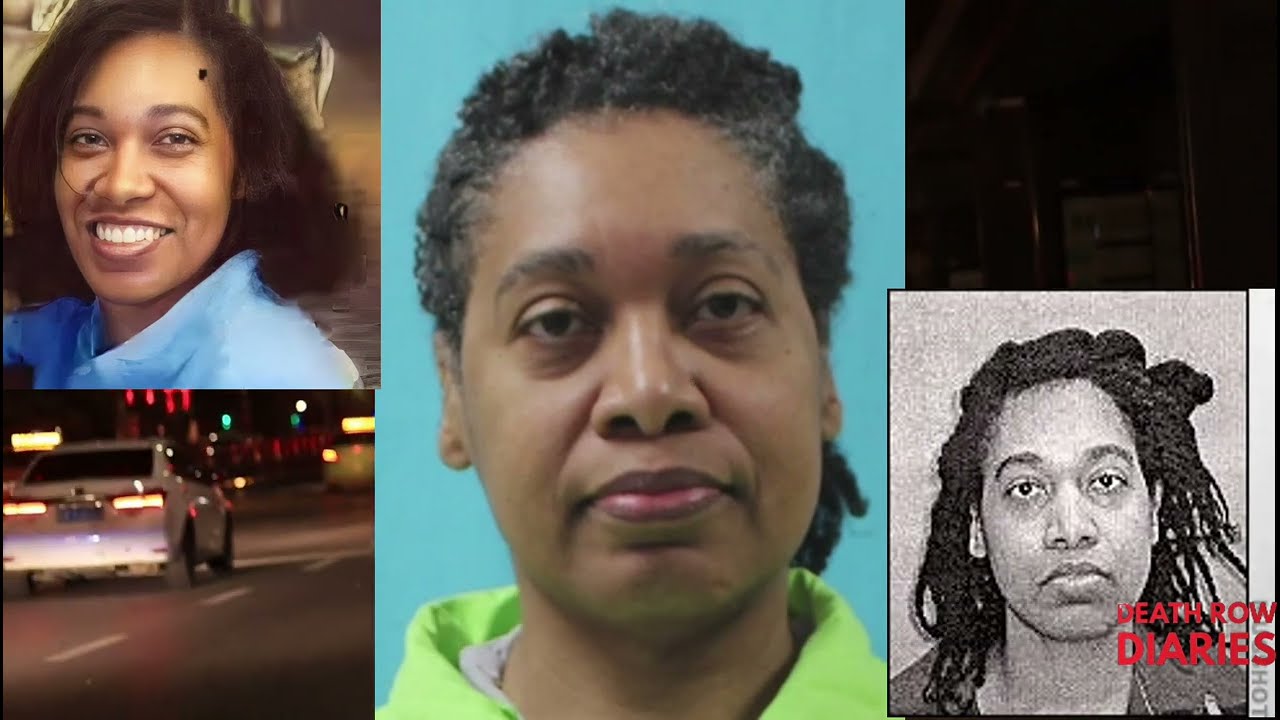
Prosecutors and detectives have long maintained Frank is a calculated killer. The lead homicide detective called her “the coldest person I’ve ever met.” State psychiatrists diagnosed narcissistic and antisocial personality disorders, portraying her as a manipulator, not merely a victim.
Her defense and advocates argue that a lifetime of abuse fractured her psyche. They contend the full scope of her trauma was never properly presented to the original jury, warranting a new review of her sentence as the justice system’s understanding of trauma has evolved.
With the new hearing set for December, the victims’ families face renewed anguish. They have waited thirty years for a finality that is now again in jeopardy. The Vu family survivors, who rebuilt their lives after unspeakable loss, must once more confront the woman who shattered their world.
The legal and ethical debate is intense. Should a history of victimhood mitigate responsibility for premeditated murder? Does the state’s initial failure to heed psychological warnings play a role in the calculus of justice? These questions will be at the heart of the December proceedings.
For the city of New Orleans, the case remains an open wound. It symbolizes a dark era of police corruption and institutional breakdown. Frank’s uniform, used as a tool for murder, forever damaged community trust in a force already struggling with credibility.
As the December hearing approaches, all eyes will be on the Louisiana court. Its decision will determine whether Antoinette Frank finally faces the ultimate penalty for her crimes or if she will live out her days in prison, a permanent testament to justice delayed and systems failed.
The outcome will send a powerful message about accountability, mercy, and the long shadow of trauma. It will define the legacy of a case that continues to haunt the American justice system, a stark reminder of the terrifying breach that occurs when a protector becomes a killer.
Source: YouTube