Ivan Cantu has been executed by lethal injection in Texas after spending 22 years on death row, stirring intense debate over the integrity of his conviction. His final words expressed unwavering innocence, while the case remains clouded in controversy, raising questions about justice and the death penalty’s application in America.

On February 28, 2024, Ivan Cantu, 50, was executed at the Huntsville Unit, Texas. His case, which has captivated and divided public opinion, revolves around the brutal murders of James Mosqueda and Amy Kitchen in 2000. The execution has reignited discussions about wrongful convictions and the death penalty’s morality.
Cantu’s conviction stemmed from a complex web of evidence, including incriminating testimonies from his fiancée and a bloody pair of jeans found in his apartment. However, over the years, significant doubts have emerged regarding the credibility of this evidence, leading to calls for a re-examination of the case.
The prosecution argued that Cantu had a motive tied to a 𝒹𝓇𝓊𝑔 deal gone wrong, while key evidence, such as the gun used in the murders and the victims’ blood found in Cantu’s trash, painted a damning picture. Yet, the defense has highlighted inconsistencies in witness testimonies and the handling of evidence that could suggest Cantu’s innocence.
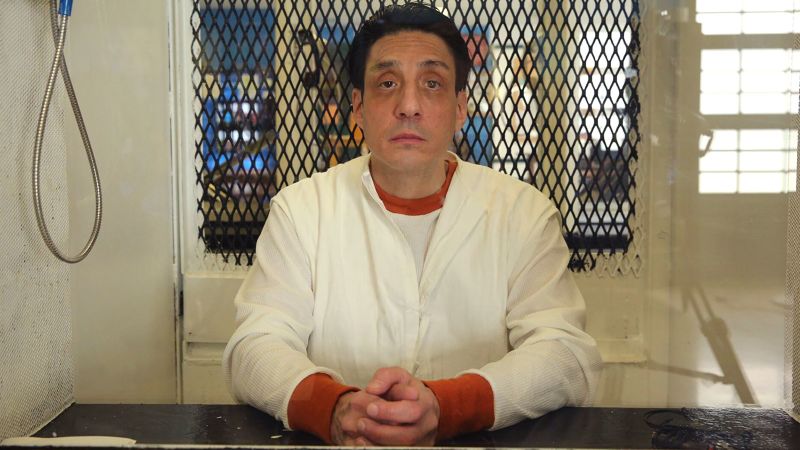
As the execution date approached, public outcry intensified. A podcast detailing the case garnered millions of listeners, and prominent figures, including Kim Kardashian and Martin Sheen, called for a stay of execution. Even some jurors from the original trial expressed doubts about their decision, claiming they were misled by unreliable testimony.
Despite a temporary reprieve granted in April 2023, Cantu’s appeals were ultimately denied. The Texas Board of Pardons and Paroles voted unanimously against commuting his sentence, leaving Cantu with no options as his execution date drew near.
On the day of his execution, Cantu’s last meal was not a special request, as Texas abolished that practice in 2011. Instead, he received the standard prison fare, underscoring the stark reality of his situation. In his final moments, Sister Helen Prejean, his spiritual advisor, held his hand as he addressed the victims’ families, reiterating his innocence.
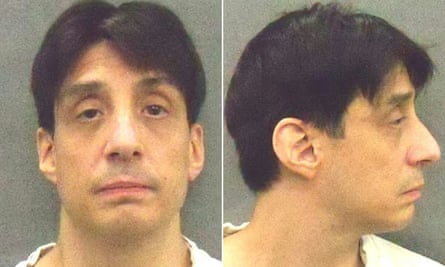
Cantu’s execution was witnessed by family members of the victims, who had waited over two decades for justice. At 6:26 p.m., the lethal injection was administered, and Cantu was pronounced dead 21 minutes later. The contrasting reactions from the Collin County District Attorney and advocacy groups reflect the deep divide over the case.
The aftermath of Cantu’s execution raises unsettling questions about the justice system. While the DA claims justice was served, critics argue that the case exemplifies a miscarriage of justice. With unanswered questions lingering in the air, the specter of wrongful convictions looms large over the Texas death penalty landscape.
As the dust settles, Ivan Cantu’s fate serves as a chilling reminder of the complexities surrounding capital punishment. The debate over his guilt or innocence is far from over, as advocates call for a closer examination of the evidence and the judicial process that led to his execution.