Kenneth Allen McDuff, a notorious serial killer responsible for the brutal murders of at least nine victims, was executed by lethal injection on November 17, 1998, in Texas. This chilling conclusion to his horrific crime spree marks a significant moment in the ongoing debate over capital punishment and justice for victims’ families.
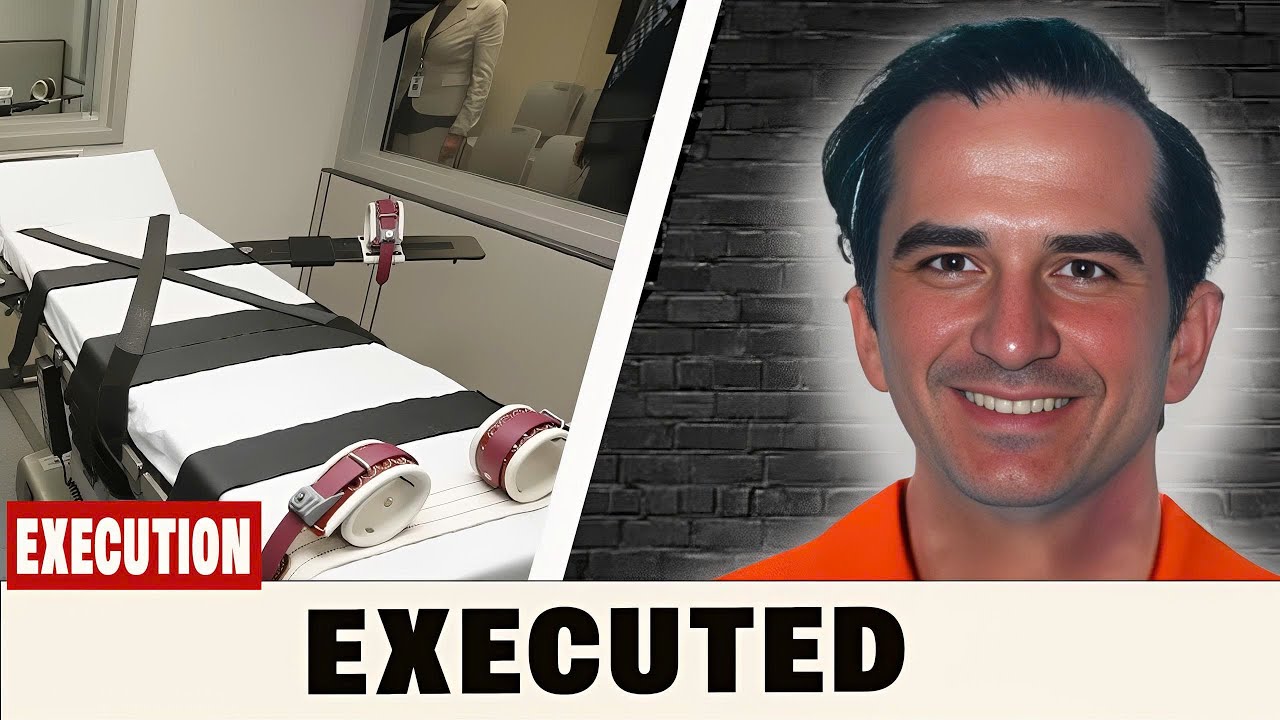
McDuff’s reign of terror began in 1966, when he abducted three teenagers from a basketball court in Everman, Texas. The brutal murders of Robert Brand, Edna Louise Sullivan, and Mark Dunham shocked the nation and set the stage for McDuff’s violent path. He was arrested after a confession from an accomplice, but the justice system failed to contain him.
After being paroled in 1989, McDuff wasted no time returning to his deadly ways. Just three days after his release, he was linked to the murder of Sarafhia Parker. His subsequent crimes included the abduction and torture of several women, further highlighting the systemic failures that allowed him to evade justice for years.
In 1992, McDuff was finally apprehended again, leading to a series of trials that painted a horrifying picture of his brutality. Prosecutors argued against his release, emphasizing the danger he posed, yet his defense team attempted to mitigate his actions by citing a troubled childhood. The jury ultimately saw through these claims, sentencing him to death.

On the day of his execution, McDuff chose a simple last meal of fried chicken, French fries, and a Coca-Cola. When asked for his final words, he expressed no remorse, stating simply, “I’m ready.” This chilling indifference underscored the pain and suffering he inflicted on countless families.
Witnesses at the execution included victims’ families and law enforcement officers, all grappling with the haunting memories of McDuff’s crimes. Some shed tears, not for him, but for the lives he destroyed. The execution raised questions about whether true justice had been served.

McDuff’s case serves as a stark reminder of the consequences of releasing dangerous individuals back into society. The families of his victims continue to mourn, grappling with the loss of their loved ones and the failures of a system that allowed a monster to roam free.
As discussions about capital punishment and parole reform persist, McDuff’s legacy is a tragic chapter in the annals of crime in Texas. What drove him to such horrific acts? Can society prevent similar tragedies in the future? The answers remain elusive, leaving a lingering sense of unease in the wake of his execution.