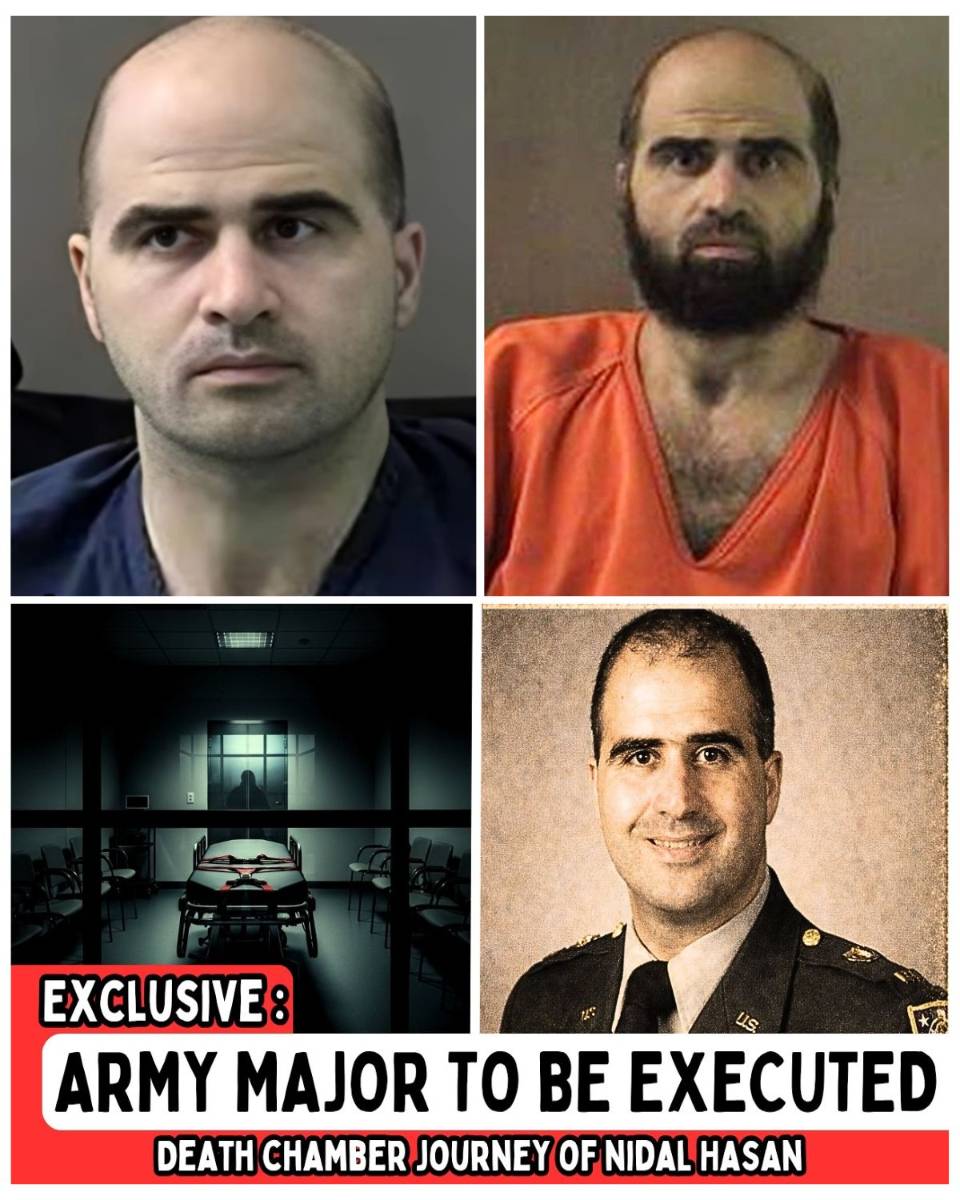
In a stunning development that has reignited outrage over a preventable tragedy, U.S. Army Major Nidal Malik Hasan is set to be executed for his 2009 massacre at Fort Hood, Texas, where he killed 13 people despite clear warnings ignored by the Army and FBI. This marks the first potential military execution since 1961, exposing systemic failures that cost lives and shattered trust in national security. The announcement from Defense Secretary Pete Hegseth underscores a long-delayed quest for justice.
 Hasan’s rampage on November 5, 2009, unfolded in a routine processing center filled with soldiers preparing for deployment. He opened fire with a semi-automatic pistol, shouting “Allahu Akbar,“ targeting uniformed personnel in a calculated act of violence. Witnesses described the horror: soldiers diving for cover, colleagues falling amid the chaos, and a room transformed into a battlefield. The attack lasted just 10 minutes but left 32 wounded, exposing vulnerabilities in military bases.
Born in 1970 to Palestinian immigrants, Hasan rose through the ranks as an Army psychiatrist, earning degrees and honors. Yet, beneath his credentials, radicalization simmered. His emails to extremist cleric Anwar Al-Awlaki, intercepted by the FBI, raised alarms about killing American troops, but officials dismissed them as research. This oversight allowed a “ticking time bomb“ to detonate, as later confirmed by a Senate investigation.
The FBI’s failure to connect Hasan’s communications with Al-Awlaki’s known terrorist ties was a critical lapse. Agents reviewed 18 emails where he sought religious justification for violence, yet no coordinated action followed. Meanwhile, at Walter Reed, supervisors documented his unprofessional behavior, including injecting religious views into sessions and poor patient care, but he was promoted anyway.
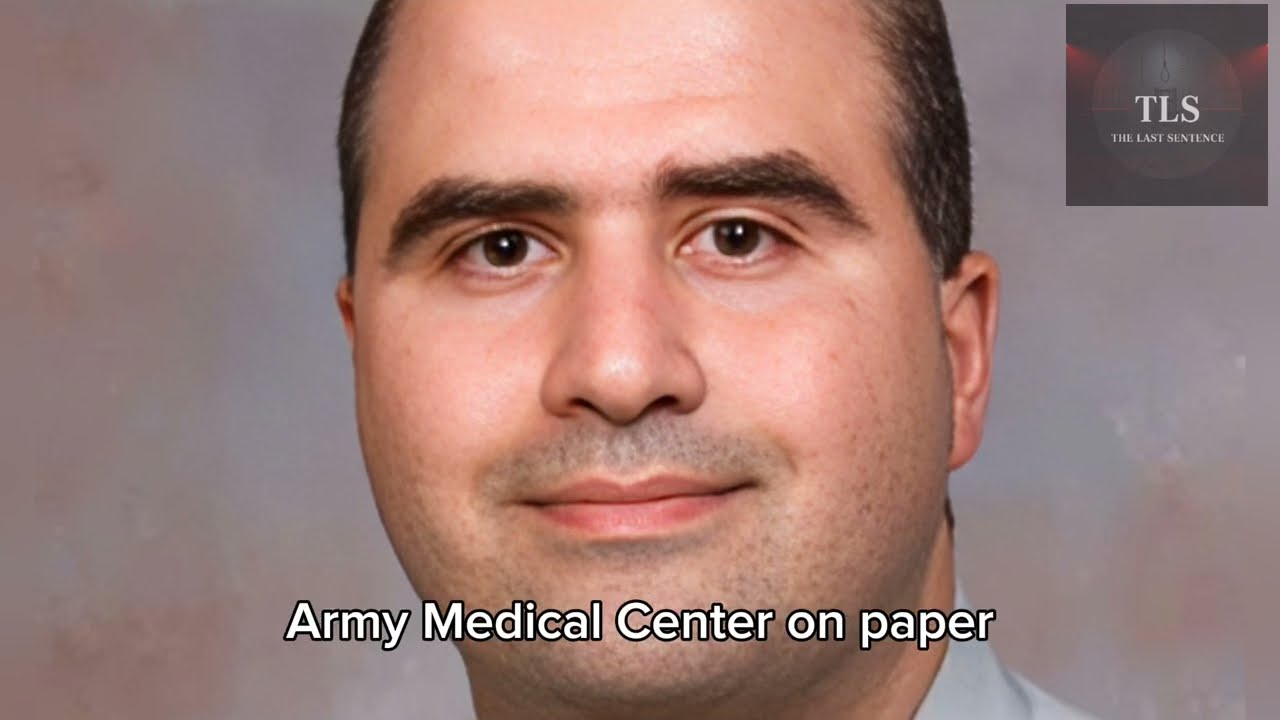 As warnings mounted, Hasan’s superiors noted his reluctance to deploy and his growing extremism. A 2007 presentation argued Muslims in the military should avoid Muslim-majority countries, hinting at potential insider threats. Despite reprimands and reviews, the Army sent him to Fort Hood, where he stockpiled weapons and ammunition, practicing at ranges for weeks.
The victims, a diverse group of soldiers and civilians, included heroes like Michael Cahill, who charged at Hasan with a chair, and Specialist Frederick Green, among others. Their stories highlight the human cost: families left grieving, survivors like Staff Sergeant Alonzo Lunsford, shot seven times, fighting for recognition of their wounds as combat-related.
Initially classified as “workplace violence,“ the attack denied victims Purple Hearts and benefits, a decision that fueled further pain. It took years of advocacy for Congress to intervene, awarding medals in 2015. Hasan’s trial, starting in 2013, saw him represent himself, admitting his actions while claiming defense of insurgents.
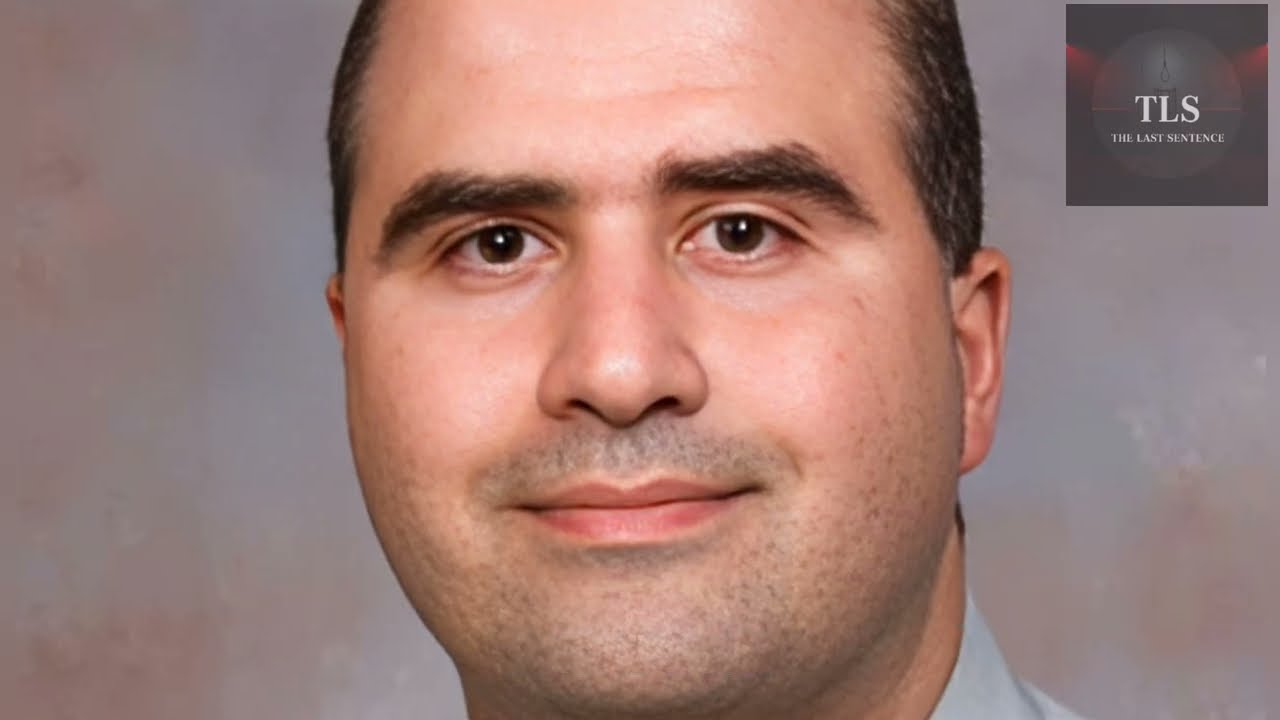
The jury’s swift death sentence in 2013 reflected the gravity of his crimes, but appeals dragged on for over a decade. Now, with the Supreme Court denying his final petition, the path to execution clears, potentially under President Donald Trump’s approval. This case exposes deep institutional flaws in counterterrorism efforts.
Survivors’ voices, like Julia Wilson’s call for closure, echo the unresolved trauma. Hasan’s radical path, influenced by Al-Awlaki and personal losses, serves as a stark reminder of overlooked threats. The Army and FBI’s inaction not only enabled the attack but also betrayed the very soldiers they swore to protect.
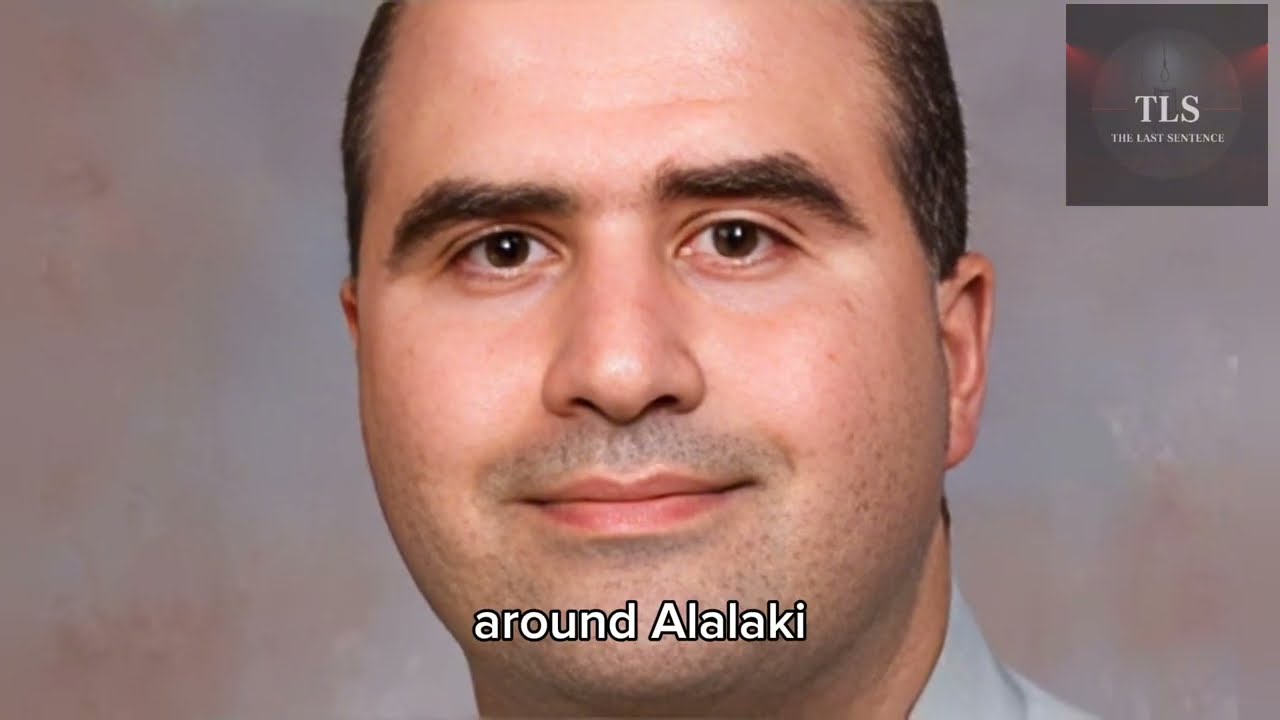 In the years since, reforms have aimed to improve threat detection, yet questions linger about accountability. Hasan’s potential execution won’t undo the lives lost, but it may deliver a measure of justice for the fallen. As the nation watches, this story demands reflection on how close America came to preventing a catastrophe.
The broader implications ripple through military policy, highlighting the need for better integration of intelligence and mental health oversight. Hasan’s case, once buried in bureaucracy, now stands as a testament to the perils of complacency in an era of global extremism.
Families of the victims continue to advocate for the attack’s reclassification as terrorism, seeking full recognition of the sacrifices made. Their resilience amid ongoing pain underscores the enduring impact of that fateful day at Fort Hood.
As execution proceedings advance, the world awaits a resolution that could close this chapter, but the lessons remain urgent. Vigilance against internal threats must evolve to prevent future tragedies, ensuring no more lives are lost to ignored warnings.