George Tiny Mercer was executed by lethal injection on January 6th, 1989, marking Missouri’s first execution in 24 years and ending the brutal saga of a heinous 1978 murder. His death raises profound questions on justice, the death penalty, and the haunting legacy left by his victim, Karen Keaton.

On a cold January night in 1989, the Missouri State Penitentiary’s execution chamber witnessed history. George Tiny Mercer, aged 44, was put to death for the cold-blooded murder of Karen Keaton, a vibrant 22-year-old whose life was tragically cut short over a decade earlier. This execution ended a decades-long silence in Missouri’s capital punishment enforcement.
Mercer’s crime shocked a community and shattered a family. Back in August 1978, Mercer and his accomplices lured Karen—a young waitress in Grand View, Missouri—into a night of terror on the eve of Mercer’s 34th birthday. What started as a routine evening spiraled into a nightmare no one could forget.
That night, Mercer’s depravity unfolded with chilling brutality. After forcing Karen to his home, he violently assaulted her repeatedly alongside gang members Steven Gardner and David G. Karen’s pleas were met with cruelty; even Gardner’s callous “Happy birthday, Tiny” epitomized the heartlessness surrounding her fate.
Witness John Allan Campbell, tasked with caring for Mercer’s daughter, was forced into complicity. Despite his fear, Campbell later revealed the horrific details—how Mercer strangled Karen after the assaults, brutally assaulted her until life fled, and then methodically attempted to cover the crime scene. His testimony was crucial to justice.
Following the murder, Mercer brazenly disposed of Karen’s body in a desolate field outside Johnson County, an effort meant to erase all traces of the crime. Yet, this callous act only deepened the investigation. Campbell’s eventual cooperation with authorities led to the grim discovery of Karen’s decomposed body weeks later.
Mercer’s trial in 1979 gripped public attention. The ruthless nature of his crime, compounded by a prior pending rape case of a 17-year-old girl, painted a damning portrait. The jury found Mercer guilty of first-degree murder and recommended the death penalty, delivering a verdict reflecting the gravity of his brutality.
Steven Gardner, Mercer’s accomplice, also faced conviction but later had his sentence reduced to second-degree murder and was paroled in 2023. This disparity fueled ongoing debates about fairness in the justice system and the complexities underlying sentencing in compounded violent crimes.
After a decade on Missouri’s death row—the state’s longest-serving inmate—Mercer faced his final moments with resolute calm. Witnesses reported his gratitude to the prison warden and a brief acknowledgment to “take care of my guys down here,” offering a stark contrast to his violent past.
The execution process itself was tense and swift. Beginning at 12:03 a.m., Mercer showed signs of resistance before losing consciousness within minutes. Declared dead at 12:09 a.m., his death reopened conversations about capital punishment, as Missouri’s old gas chamber, converted for lethal injection, bore witness to the state’s return to executions.
Mercer’s final meal remains a mystery, with no official record of a special request. Whether he declined or accepted a standard prison supper, this small detail underscores the loneliness and gravity of his last hours in custody—moments that closed an era of brutal crime and prolonged court battles.

The ramifications of Mercer’s case extend far beyond his execution. It remains a sobering reminder of the tragic loss of Karen Keaton, whose family endured unfathomable grief and a community haunted by the senseless violence inflicted that night. Justice arrived, but at an immeasurable human cost.
This historic execution reopened wounds and discussions about the death penalty’s efficacy and morality. Did Mercer’s death offer closure to Karen’s loved ones? Or did it merely punctuate the ongoing debate about retribution versus rehabilitation in America’s conflicted criminal justice system?
Mercer’s life of violence had dark roots, including ties to a motorcycle gang and a history of 𝒔𝒆𝒙𝒖𝒂𝒍 offenses. Yet, no concrete details about his upbringing shed light on his descent into brutality. His case forces society to question what breeding grounds incubate such deadly criminal paths.
As Mercer fades into history, the stark contrast remains between his irreversible acts and the fragile societal structures meant to prevent such crimes. The case spotlights the urgent need for vigilant law enforcement, community awareness, and early interventions to stop violence before it unfolds.
The disparity in sentences—Mercer receiving the death penalty while Gardner eventually gaining parole—continues fueling debate over consistency in justice. It challenges policymakers and citizens alike to scrutinize the mechanisms that determine life-altering punishments and the possibility of redemption or risk.

Karen Keaton’s death and Mercer’s execution stand as grim bookends to a case that encapsulates pain, loss, justice, and controversy. While the courtroom rendered its verdict, the emotional scars and questions linger, urging society to confront the roots of crime and its devastating aftermath.
Missouri’s resumption of executions after 24 years marked a pivotal moment in its judicial history. Mercer’s death serves as more than just a terminal point—it is a catalyst for ongoing reflection on capital punishment policies, criminal reform, and the ethical boundaries of state-sanctioned life-taking.
This tragic narrative underscores a fundamental societal challenge: how to balance justice for victims, fair treatment of offenders, and prevention of future atrocities. Mercer’s story is a harrowing testament to the price paid when that balance fails, urging deeper vigilance and compassion in criminal justice approaches.
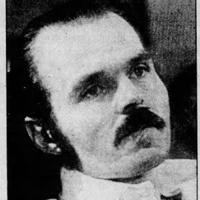
Ultimately, George Tiny Mercer’s execution may close a dark chapter for Missouri, but the echoes of Karen Keaton’s life and violent death remain a powerful call to action. The stakes are high—justice must not only punish but prevent, ensuring this horror never repeats.