In a chilling culmination of a 24-year saga, Benjamin Donnie Richie was executed at Indiana State Prison on May 20, 2025. The lethal injection began at 12:01 a.m., and Richie was pronounced dead just 45 minutes later. His final moments raised haunting questions about the fairness of the death penalty in America.
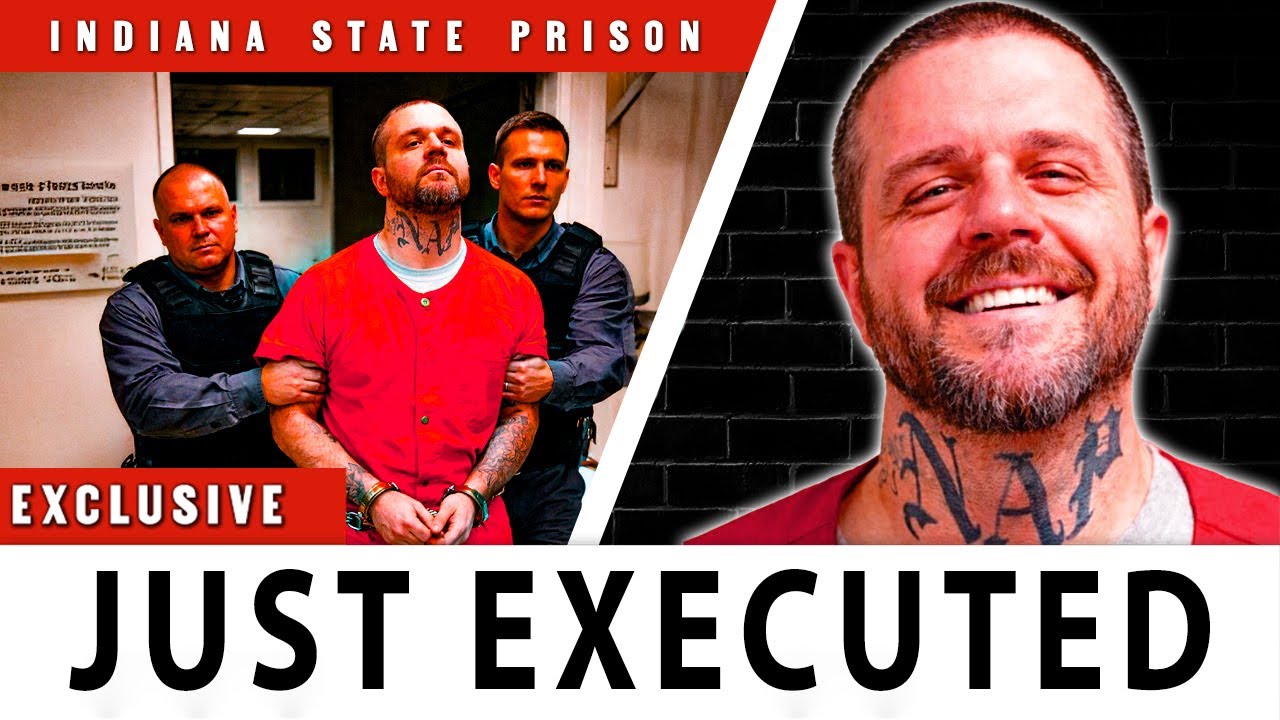
Richie’s journey to the execution chamber began with a tragic crime on September 29, 2000, when he shot and killed Officer William Ronald Tony during a botched theft. What started as a routine police chase spiraled into a deadly encounter, leaving a family shattered and igniting a firestorm of public outrage.
Despite Richie’s claims that the shooting was accidental, the jury convicted him of murder, leading to a death sentence that critics argue was influenced by public sentiment and media coverage. Over the years, 29 Indiana police officers were killed in the line of duty, yet none of their killers faced the death penalty—except Richie.
As the execution unfolded, witnesses reported disturbing physical reactions from Richie, including violent jerks and twitching, which some experts suggest indicated severe distress. The state attributed these movements to reflexes, but the lack of transparency surrounding the execution process has sparked outrage and calls for reform.

Richie’s last meal consisted of a tour of Italy from Olive Garden, featuring fettuccine Alfredo, lasagna, and chicken parmesan. His final words expressed love for his family and friends, leaving behind a bittersweet echo of regret and unresolved questions about justice and accountability.
The execution has reignited debates over the death penalty in Indiana, with advocates calling for a thorough review of the state’s execution protocols. The $900,000 spent on the drugs used for the execution has raised eyebrows, as the origins of the lethal substances remain murky.
As the dust settles on this high-profile case, the community is left grappling with the complexities of justice and the moral implications of capital punishment. Richie’s story is a stark reminder of the human cost of crime, the pain of loss, and the intricate web of legal and ethical dilemmas surrounding the death penalty.
In the wake of this execution, questions linger: Was justice truly served, or has the system failed to deliver a fair outcome? The echoes of Richie’s final moments resonate deeply, urging society to confront the uncomfortable truths about life, death, and the pursuit of justice.