Kenneth Eugene Smith was executed in Alabama on January 25, 2024, marking a historic and controversial moment as the first person in the U.S. to die by nitrogen hypoxia. His execution followed a series of failed appeals and raised significant concerns over the method’s humanity, leading to international outcry.

Smith, 58, was convicted for his role in a brutal murder orchestrated by a pastor in 1988. Reverend Charles Sennett Sr. had hired Smith and another man to 𝓀𝒾𝓁𝓁 his wife, Elizabeth, to collect on a life insurance policy. The heinous crime left a family shattered and set off decades of legal battles.
On the day of his execution, Smith’s last meal consisted of steak, hash browns, and eggs. As the clock ticked down to his execution, he spent the final hours with family, including his wife, Deanna, who expressed anguish over the impending decision. The atmosphere was tense, with both supporters and opponents of the death penalty watching closely.
As the execution began, Smith was strapped to a gurney and fitted with a mask. His final words were haunting: “Tonight, Alabama caused humanity to take a step backwards. I leave with love, peace, and light.” These words echoed through the chamber just before the nitrogen gas was administered.
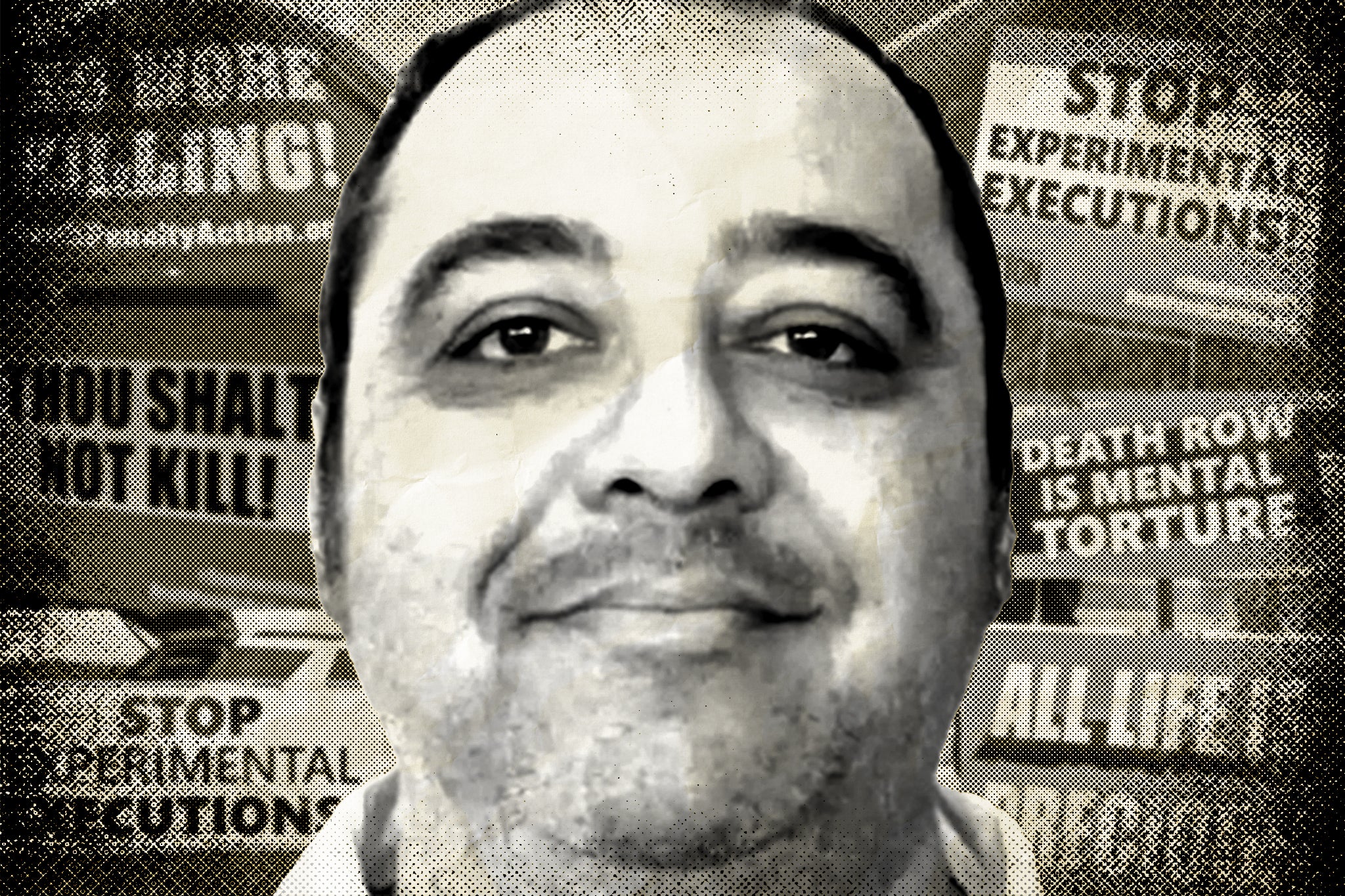
Witnesses reported a disturbing scene as Smith’s body began to thrash violently just one minute into the execution. His struggles lasted for nearly 30 minutes, raising alarms about the method’s efficacy and humanity. The execution was marked by visible distress, contradicting claims that it would be swift and painless.
International condemnation followed swiftly. The United Nations criticized the execution as a potential form of torture, urging Alabama to reconsider its approach to capital punishment. Human rights advocates condemned the method, calling it barbaric and inhumane, demanding a halt to further nitrogen executions.
Despite the uproar, Alabama officials maintained that justice had been served. Elizabeth Sennett’s family expressed mixed feelings, noting they had forgiven the perpetrators but still sought closure. Kenneth Smith’s execution, however, has set a dangerous precedent, raising ethical questions about the future of capital punishment in America.
As states across the nation eye nitrogen hypoxia as a potential execution method, Smith’s case leaves a chilling legacy. The debate over justice versus cruelty continues, with many asking whether the suffering witnessed during his execution can ever be justified.
The question remains: is this truly justice, or is it a grim reminder of the complexities and horrors of the death penalty? The world watches as Alabama’s decision reverberates through the legal and moral landscape of capital punishment.