Behind the scenes of “Ben-Hur” (1959), a cinematic marvel, lies a treasure trove of bizarre tales and hidden truths that shaped its production. From injuries during intense chariot training to the silence of the iconic MGM lion, the film’s journey was as dramatic as its epic narrative.
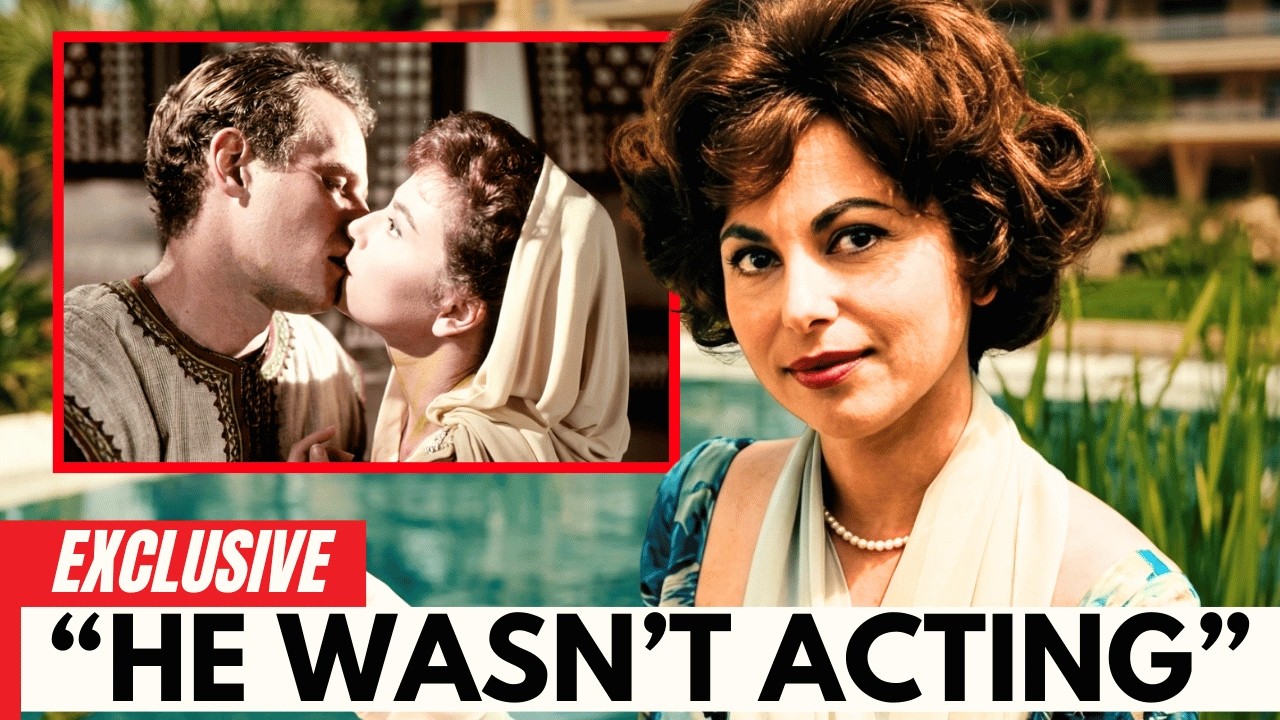 Director William Wyler made a bold choice by opening the film with a silent MGM lion, breaking a 30-year tradition. This decision, aimed at preserving the film’s sacred mood during the nativity scene, required special approval from studio executives. It set the tone for the groundbreaking film, showcasing Wyler’s commitment to artistic integrity.
The chariot arena, an engineering feat, faced disaster when a section collapsed during construction, injuring crew members and halting production. The stakes were high, and panic spread through Metro-Goldwyn-Mayer. The solution involved a complete redesign, reinforcing the structure to ensure safety, which ultimately delayed filming but saved the ambitious project.
Stephen Boyd, who portrayed the villain Messala, endured significant discomfort due to hard contact lenses that irritated his eyes. This painful sacrifice did not deter him; he delivered a memorable performance that would go down in cinematic history. Boyd’s challenges highlight the physical toll actors often bear for their craft.
 Charlton Heston, cast as Judah Ben-Hur, faced his own hurdles. With no prior experience handling horses or chariots, he underwent rigorous training that left his hands blistered. His dedication transformed him into a skilled charioteer, showcasing a remarkable evolution that contributed to the film’s authenticity.
A near-fatal accident during chariot rehearsals underscored the dangers of the production. A stunt performer was thrown from his chariot, narrowly escaping death as horses thundered past him. The incident shifted the atmosphere on set from one of filmmaking to survival, amplifying the risks involved in creating such an epic.
As costs spiraled, studio executives feared for the film’s future. Discussions about shutting down the project loomed large. Wyler’s refusal to compromise on the film’s grand vision kept the project alive, but the pressure mounted, revealing the precarious balance between ambition and financial survival.

Screenwriter Gore Vidal introduced a hidden layer to the relationship between Ben-Hur and Messala, suggesting they were once lovers. This subtext added emotional depth to their conflict, though it remained a secret from Heston, creating an intriguing dynamic that shaped their performances.
The production’s grueling schedule necessitated the presence of a doctor on set, administering vitamin B injections to combat exhaustion. As the crew worked 12 to 14-hour days, suspicions arose about the true nature of these injections, raising questions about the lengths to which they went to complete the film.
 With a score that redefined epic film music, composer Miklós Rózsa crafted 110 minutes of original music, the longest ever for a Hollywood film at that time. His meticulous approach to creating a symphonic score lent emotional weight to the narrative, enhancing the film’s impact on audiences.
The sheer scale of the production was staggering, with around 10,000 extras and 1 million props, creating an immersive world that drew visitors and Hollywood elites alike. The sets became a spectacle, reflecting the ambition and dedication of everyone involved in bringing this story to life.
In the end, “Ben-Hur” stands not just as a cinematic classic but as a testament to the extreme challenges of filmmaking. Behind the epic tale lies a saga of ambition, risk, and resilience, reminding us of the extraordinary lengths taken to create one of the greatest films in Hollywood history.