Oscar Ray Bolin, Florida’s notorious serial killer convicted of murdering three women in 1986, was executed by lethal injection on January 7, 2016, after more than 24 years on death row. The execution marks a grim closure fraught with controversy, legal battles, and claims of innocence.

Bolin’s brutal crimes shook Tampa, Florida, where he stabbed to death Terry Lynn Matthews, Stephanie Collins, and Natalie Blanche Holley — all young women abducted in routine moments of their lives. Despite over three decades of trials and retrials, the shadow of doubt loomed large over his conviction.
Born in 1962 to a tumultuous, abusive family, Bolin’s early life was marked by instability and brushes with the law. His transient lifestyle as a carnival worker and truck driver made him elusive. Bolin’s violent tendencies surfaced early, but it wasn’t until 1986 that his horrifying acts came to light.
Natalie Holley’s murder in January 1986 was the first of the three grisly murders. Found in an orange grove stabbed ten times, her death was initially a cold case. Next, Stephanie Collins vanished after work and was discovered a month later, brutally murdered and concealed.
Finally, Terry Lynn Matthews disappeared in December 1986, leaving her car running at a post office. Her body was later found, subjected to a savage attack involving stabbing, beating, and attempted drowning. The horror of these crimes paralyzed Tampa and baffled investigators for years.
The breakthrough came years later when Bolin’s cousin and half-brother revealed damning testimony. His ex-wife Cheryl Hefner also implicated him, recounting moments and evidence tying Bolin to the murders. Despite extensive evidence, legal errors and appeals continuously delayed final justice.
Bolin’s case was plagued by controversy, especially concerning FBI analyst Michael Malone, whose discredited hair and fiber analysis formed cornerstone forensic evidence. Malone’s fabrication of lab reports cast doubt on the integrity of Bolin’s conviction, sparking debates over the reliability of forensic science in capital cases.
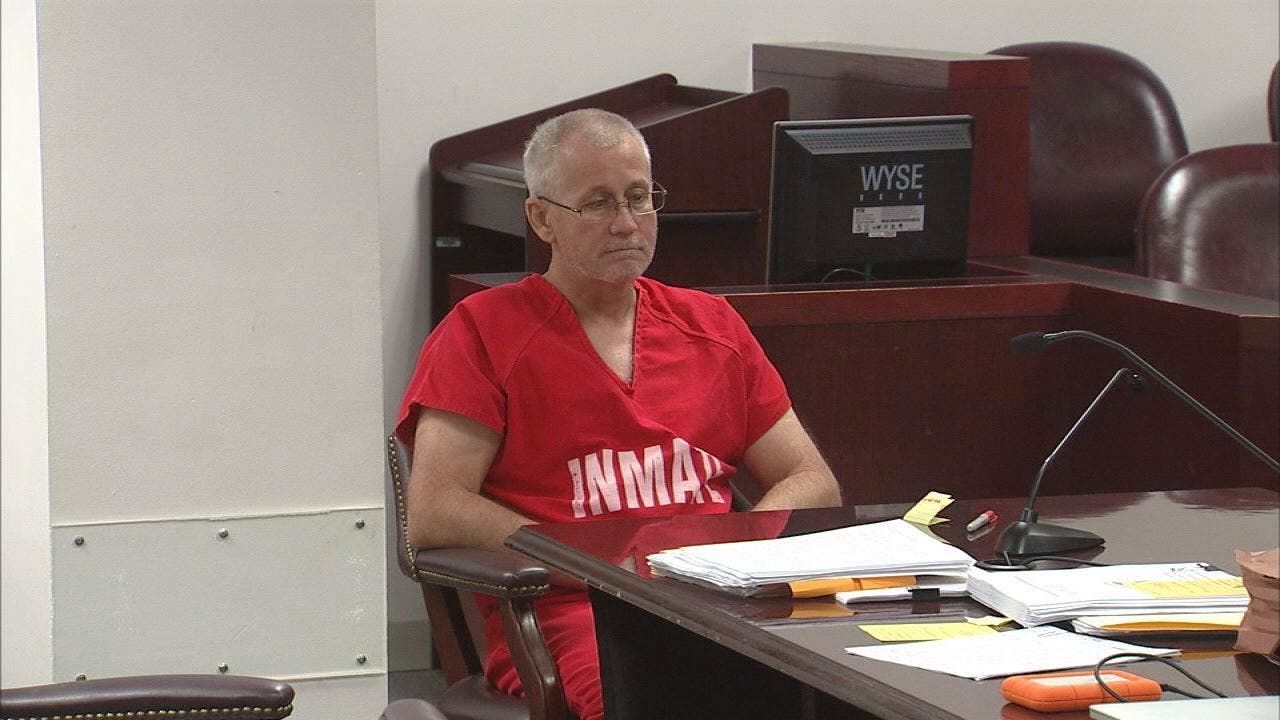
Even amidst legal turmoil, Bolin maintained his innocence. His wife Rosalie Martinez, a mitigation specialist who fell in love with him, dedicated her life to proving his innocence. Their unusual marriage gained national attention, spotlighting the complexities and emotional undercurrents behind death row cases.
Martinez’s campaign pressed relentlessly, highlighting issues of wrongful conviction and flaws in the justice system. Yet repeated trials and ten juries all convicted Bolin, underscoring the overwhelming consensus against him despite the persistent claims of innocence and questionable evidence.
On January 7, 2016, after hours with his wife and spiritual adviser, Bolin was given his last meal before the scheduled execution. Despite a Supreme Court appeal lingering until the last moment, the court denied a stay. The lethal injection began late in the evening at Florida State Prison.

Witnesses, including victims’ families, watched in silence as Bolin’s breathing slowed and he was pronounced dead at 10:16 p.m. The execution was the first in the U.S. that year. Bolin chose not to deliver any final statement, ending the life of a man forever entangled in a web of violence and legal battles.
Victims’ families expressed mixed emotions—relief and sorrow interwoven. Kathleen Reeves, mother of Terry Lynn Matthews, described the death warrant as her final act of love, visiting her daughter’s grave with it tucked among flowers. The execution was validation of justice long awaited yet painfully delayed.
Conversely, Bolin’s attorney Bjorn Brunvand condemned the execution as barbaric, emphasizing the moral complexities involved. The execution reignited urgent questions about capital punishment, forensic reliability, and whether true justice was served in a case marked by repeated trials and overturned verdicts.
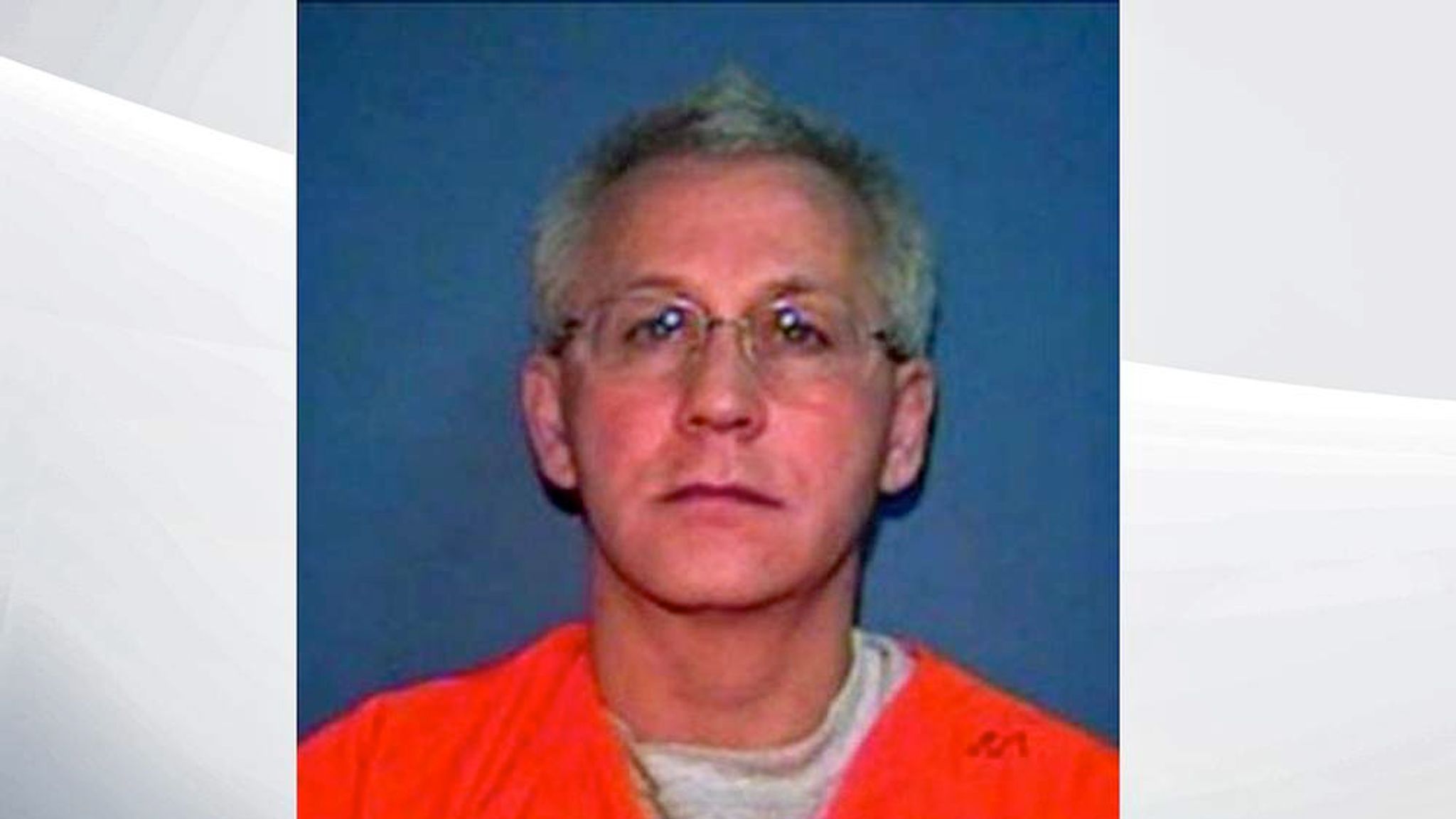
Oscar Ray Bolin’s death leaves lingering doubts fueled by flawed forensic testimony and an anonymous jailhouse confession from another inmate, whose suicide ended hopes for further investigation. The debate over Bolin’s guilt or innocence persists, reflecting broader fissures in America’s justice system.
More than three decades of legal wrangling documented a chilling life filled with violence, manipulation, and despair. Bolin’s execution closes a dark chapter but ignites enduring controversy over forensic standards, wrongful conviction risks, and the irreversible nature of capital punishment.
As the curtains fall on Oscar Ray Bolin, the families of three women remain scarred by loss, seeking closure amid a shadow of uncertainty. The state’s final act offers a stark reminder that justice, once executed, cannot be undone—even when questions linger in the dark.