After more than three decades of legal battles, the state of Florida executed David Joseph Pittman by lethal injection on Wednesday evening for the 1990 triple murder of his former in-laws, a crime prosecutors described as a calculated act of vengeance meant to silence a family.
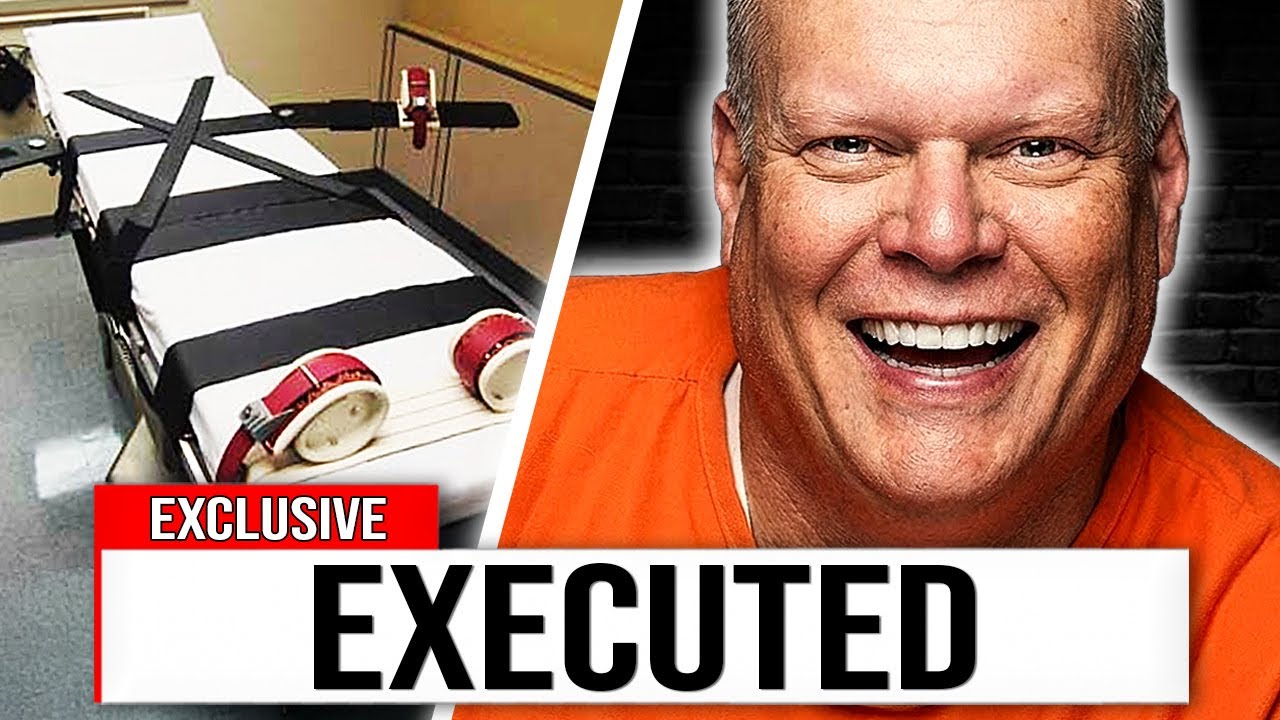
Pittman, 63, was pronounced dead at 6:12 p.m. at Florida State Prison. His final statement was a declaration of innocence. “I know you all came to watch an innocent man be murdered by the state of Florida. I am innocent. I didn’t kill anybody,” he said from the gurney.
The execution culminated a case that began with a fire cutting through the pre-dawn darkness on May 15, 1990. A newspaper delivery driver reported flames towering 25 feet above a home in Hillsborough County just after 3:30 a.m., leading firefighters to a scene of utter devastation.
Inside the smoldering ruins of the Nolles family home, investigators discovered the bodies of Clarence Nolles, 52, his wife Barbara, 50, and their daughter Bonnie Joe, 20. Autopsies revealed a horrifying truth: all three had been brutally stabbed to death before the fire was set.
The medical examiner determined Bonnie Joe suffered eight deep stab wounds. Her mother, Barbara, was stabbed three times, with wounds to the chest, piercing her aorta. Clarence Nolles was stabbed five times in the chest. None had inhaled smoke, proving the fire was a cover-up.
Evidence quickly pointed to Pittman, who was embroiled in a bitter divorce from the Nolles’ other daughter, Barbara Marie. Tensions were exacerbated by a past allegation from Bonnie Joe, who had accused Pittman of raping her five years earlier, though the statute of limitations had expired.
Witnesses reported Pittman had made repeated threats against the family. The investigation took a critical turn when a construction worker spotted a burning brown Toyota Corolla, registered to Bonnie Joe, in a ditch less than a mile from the crime scene later that same morning.
A neighbor saw a man fleeing from that car fire. Both the neighbor and the construction worker later identified Pittman from a police lineup. Despite this, direct physical evidence linking him to the murders was scarce; no murder weapon was found and his fingerprints were not in the car.

Pittman surrendered to police the day after the killings at his mother’s urging. While jailed, he allegedly confessed the details to a fellow inmate, who testified at trial. Pittman claimed he only wanted to talk to Bonnie Joe that night, but the encounter turned violently fatal.
Prosecutors argued Pittman snapped when Bonnie Joe reaffirmed her rape allegation. After killing her, he allegedly attacked Barbara and Clarence as they awoke to the commotion. He then systematically doused the home in gasoline, placed a tire under Bonnie’s bed to intensify the blaze, and fled.
At his 1991 trial, Pittman pleaded not guilty to three counts of first-degree murder, arson, and grand theft. The jury found him guilty on all counts except burglary. The penalty phase focused on his violent past and the heinous nature of the crimes.
The defense presented mitigating evidence, including testimony from Pittman’s mother that she beat him severely as a child. A psychologist testified he suffered from brain damage, severe ADHD, and mood disorders, potentially rendering him borderline psychotic under stress.

The jury recommended death by a 9-3 vote. The judge agreed, sentencing Pittman to death and calling the murders “heinous, atrocious, and cruel.” For 32 years, Pittman’s legal team challenged the conviction and sentence, citing procedural issues and mental competency claims.
Every appeal was ultimately denied. The U.S. Supreme Court rejected his final appeal on August 26, 2025, clearing the path for the execution. The death warrant was signed, scheduling his execution for September 17.
On his final day, Pittman awoke at 5:45 a.m. He was served his last meal of steak, chicken, and biscuits. The execution procedure began just before 6:00 p.m. Following his brief final words, the lethal injection was administered without reported complication.
With Pittman’s death, one of Florida’s longest-standing death row cases closes. The execution reignites debate over capital punishment, mental health considerations in sentencing, and the finality of a verdict delivered over a generation ago. The state maintains justice was served.
Source: YouTube