On February 10th, 2026, Ronald Palmer Heath, 64, is scheduled for execution by lethal injection at Florida State Prison after 36 years on death row for the brutal 1989 murder of Michael Sheridan. This final act closes a harrowing chapter of violence, justice, and decades-long legal battles.

Ronald Heath’s story is one of chilling persistence in violence. In 1989, after a decade behind bars for a previous murder, Heath and his brother Kenneth lured traveling salesman Michael Sheridan from a Gainesville bar under false pretenses. What followed was a horrific sequence of violence that would haunt Florida’s justice system for decades.
That spring evening began innocuously at the Purple Porpus Lounge, a Gainesville bar where locals unwound. Michael Sheridan, a friendly 30-year-old salesman, sought nothing more than a quiet meal. Instead, he encountered Ronald and Kenneth Heath, whose intentions were dark and deadly from the outset.
The Heath brothers struck up a casual conversation, using marijuana as a lure. Sheridan, trusting and unsuspecting, accepted their invitation. What seemed like innocent camaraderie turned into a sinister trap as they drove him away from the city into remote woods, a place far from help or witnesses.
Suddenly, Kenneth Heath brandished a handgun, demanding Michael’s valuables. Fear gripped Sheridan as he tried to comply and escape. When he hesitated, Kenneth fired, hitting Michael in the chest. Alone, wounded, and terrified, Sheridan pleaded for his life, giving up everything as desperation consumed him.
But Ronald Heath’s brutality escalated the nightmare. Pulling out a hunting knife, he stabbed Michael repeatedly, attempting to slash his throat in a gruesome display of violence. The dull blade dragged through flesh while Michael’s pleas faded into gurgles. Heath’s cruelty showed no mercy as the victim’s life slipped away.
Order was restored only by Ronald’s command: “𝓀𝒾𝓁𝓁 him!” Kenneth fired two fatal shots to Michael’s head. The woods fell silent as the brothers stood over the lifeless body, blood-soaked and hidden in the shadows. This calculated act of cold-blooded murder shocked investigators and the community alike.
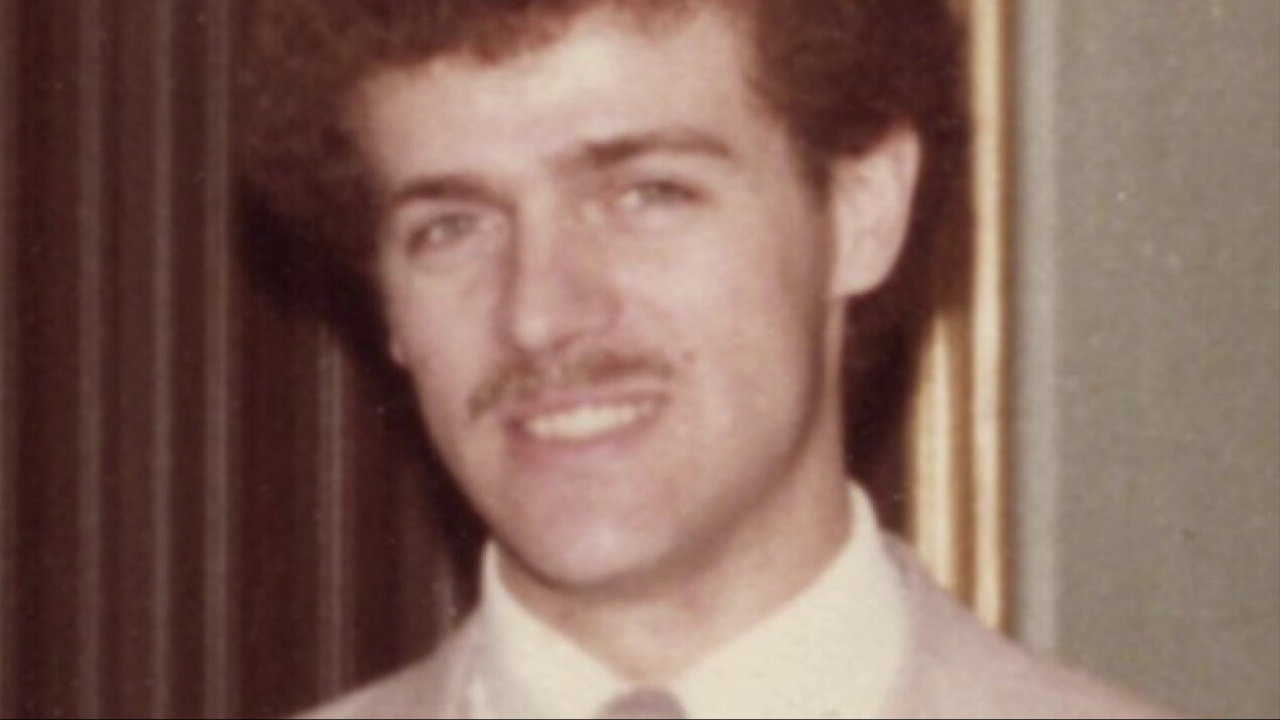
After disposing of Michael’s body, the brothers brazenly used the victim’s credit cards for a spree at Oaks Mall in Gainesville. Their reckless spree ended when a declined purchase triggered security alerts. Surveillance footage capturing the Heath brothers set law enforcement on a swift path to arrest.
Authorities arrested Ronald in Georgia, discovering stolen items and damning evidence at his home. Kenneth soon followed, and both faced first-degree murder charges. Prosecutors revealed Ronald as the dominant, remorseless mastermind with a violent past, casting a shadow over his supposed rehabilitation after a prior murder conviction.
Heath’s trial in 1990 revealed the chilling details. The prosecution systematically dismantled the defense, presenting irrefutable evidence—from credit card records to eyewitness testimonies—painting Ronald as the cold architect of Sheridan’s brutal slaying. Attempting to minimize his role failed as jury heard about the savage stabbing.
The jury found Ronald Heath guilty on all counts. His brother Kenneth, who cooperated and pleaded guilty, received life imprisonment. But Ronald faced death. The penalty phase highlighted aggravating factors—premeditation, brutality, and a prior murder—leading the jury to recommend the ultimate punishment, which the judge accepted.
Heath was sentenced to death by Judge Robert P. Kates, who detailed Ronald’s escalation of violence and the orchestrated execution-style killing. The judge described Ronald as the mastermind who turned a robbery into a merciless murder, reinforcing the message that such cold-hearted depravity must meet the harshest consequences.

For 36 years, Ronald Heath awaited execution in Florida State Prison’s death row. Known among inmates as “Frog,” he maintained contact with family, pursued appeals, and witnessed Florida’s changing death penalty landscape, including stricter unanimous jury requirements and a record-breaking series of executions in 2025.
Increased execution activity put Heath’s name near the top of Florida’s death row. Governor Ron DeSantis signed his death warrant on January 9th, 2026, setting execution for February 10th. Efforts by Heath’s legal team to challenge the lethal injection protocol and clemency process failed, closing legal avenues as the date approached.
Today, Heath faces his final hours. At 6 p.m., he will be strapped to a gurney as execution drugs are administered in Florida’s death chamber. This somber event marks the culmination of decades of legal scrutiny, appeals, and public attention, bringing resolution to a case steeped in tragic violence.
For Michael Sheridan’s family, after nearly 37 years, this moment symbolizes painful closure. The execution cannot erase their loss but fulfills long-delayed justice. For opponents of the death penalty, it underscores the profound complexities and moral debates surrounding a system burdened by years-long delays amid irreversible outcomes.
Ronald Heath’s end is a stark reminder of choices made that fateful night in 1989. His greed and cruelty led to a violent death and a life confined behind bars. Now, as decades of incarceration culminate, Florida prepares to carry out a sentence born from a cold, calculated murder that shattered lives.
The narrative that began in Gainesville’s Purple Porpus Lounge unfolds finally at Florida State Prison. Ronald Heath, once a young man hardened by past crimes, arrives at the end of a path paved with violence and relentless justice. On February 10th, 2026, his fate will be sealed, and Michael Sheridan’s story will reach its final chapter.