The set fell silent. Not the ordinary quiet of a film crew preparing for a take, but a profound, almost reverent hush that seemed to descend without warning. It was 1977, and hundreds of cast and crew members on the sprawling North African location of Jesus of Nazareth had just witnessed something they could not explain. The actor playing Christ, a relatively unknown British performer named Robert Powell, stood before them in costume, his eyes fixed on the horizon. No one spoke. No one moved. For a moment, the boundaries between performance and reality had simply dissolved. Nearly half a century later, the stories from that set remain etched in the memories of those who were there, and they continue to fascinate audiences worldwide. This was not just another film production. It was an experience that many participants describe as deeply spiritual, a project that seemed to carry an unusual weight from its very first days.
The production of Jesus of Nazareth began in the mid-1970s under the direction of Franco Zeffirelli, a celebrated Italian filmmaker known for his visually stunning and emotionally resonant works. Zeffirelli had already directed acclaimed adaptations of Shakespeare and operas, but he admitted that this project felt different from anything he had ever attempted. The scale was immense, a six-hour miniseries that would chronicle the entire life of Jesus Christ, from his birth to his resurrection. The budget was substantial, and the cast was legendary, featuring actors like James Earl Jones, Olivia Hussey, and Anthony Quinn. Yet from the earliest planning stages, Zeffirelli sensed an atmosphere of uncertainty and fear. The story of Jesus was not merely historical material. It was sacred to billions of people, and any misstep could provoke outrage or ridicule. The director later recalled that the weight of responsibility pressed heavily on everyone involved. There was no room for error, and no precedent for the level of authenticity they sought to achieve.
Filming took place primarily in Tunisia and Morocco, where the desert landscapes were transformed into ancient Judea. The locations were chosen for their stark beauty and historical resemblance to the biblical world. Endless stretches of sand, ancient stone villages, and dramatic hills provided natural backdrops that needed little artificial enhancement. The environment itself seemed to carry a sense of timelessness, as if the land had not changed significantly since the first century. Cast and crew members later described the experience of walking through these landscapes as almost meditative. The sunlight, the dust, and the silence of the desert created an atmosphere that felt separate from the modern world. For many, it was easy to imagine that they had stepped back in time, not merely onto a film set, but into the very world of the Gospels.
From the earliest days of production, an unusual quietness settled over the set. This was not the result of any official instruction. No one told the actors or crew to speak softly or to behave with particular reverence. Yet the change was noticeable. Conversations that had been loud and casual moments earlier would gradually fade when scenes involving Jesus were about to begin. Crew members who had been laughing or joking would suddenly lower their voices. The shift appeared almost instinctive, as if the subject matter itself demanded a certain level of respect. Many extras, some of whom were local residents hired to populate the crowds in Jerusalem scenes, reportedly reacted in a similar way. When the actor portraying Jesus appeared in costume, people sometimes stopped what they were doing and watched quietly. For a moment, the boundaries between performance and devotion seemed to blur, and the set became a place of collective focus.
At the center of this unusual atmosphere was Robert Powell, the actor who carried the responsibility of portraying Christ. Powell was not the most obvious choice for the role. He was a relatively young British actor who had appeared in several television productions but was not internationally famous. The production team initially considered several more recognizable actors for the part, including some Hollywood stars. Ultimately, however, Zeffirelli chose Powell precisely because audiences would not associate him with any previous role. The director wanted viewers to see Jesus, not a celebrity. Powell understood the weight of the role immediately. In interviews years later, he explained that portraying Jesus required more than memorizing lines or performing dramatic gestures. The character carried immense spiritual meaning for millions of people, and every expression, every pause, and every movement would shape how audiences imagined Christ.
To prepare, Powell adopted a highly disciplined approach. He studied the Gospels extensively, not only to understand the words of Jesus but also the tone in which those words might have been spoken. Rather than portraying Jesus as distant or theatrical, Powell wanted to convey calm authority, someone whose presence alone could command attention. One of the most striking elements of his performance became the intense gaze that audiences still remember decades later. Powell worked with the director to create a visual style that emphasized Jesus’s eyes. Close-up shots were used frequently, allowing the camera to capture subtle shifts in expression. Lighting was carefully arranged so that the eyes appeared luminous against the desert landscape. The result was a portrayal that many viewers described as almost hypnotic. There was also a practical technique behind it. Powell practiced keeping his eyes open longer than normal during scenes. The director encouraged him to blink as little as possible so that the gaze of Jesus would appear unwavering on screen. The effect created the impression that Christ was looking directly into the soul of the viewer. This small acting choice became one of the defining features of the entire series.

Another unusual decision by Powell contributed to the spiritual tone of the production. Early in filming, he made a conscious effort to remain somewhat distant from the rest of the cast. This was not due to arrogance or personal preference. Powell explained that he wanted the actors playing the disciples to experience a certain sense of awe when interacting with Jesus on screen. If they spent every evening socializing casually, that sense of reverence might disappear. So during much of the filming, Powell limited his off-camera interaction with other actors. While the rest of the cast often gathered together after long shooting days, Powell frequently stayed alone, reviewing scripts or quietly preparing for the next day’s scenes. Over time, this separation created an unexpected psychological effect. Some actors admitted that they began to feel a subtle distance between themselves and the actor portraying Christ, even though they understood it was intentional. When filming resumed each morning, the presence of Powell in costume felt different from ordinary conversation backstage. In a strange way, the acting method worked. The disciples’ reactions on screen often appear genuinely respectful and attentive, as if they are listening to a teacher whose authority they instinctively recognize.
Crew members also noticed another recurring phenomenon. Before certain major scenes, particularly moments when Jesus delivered sermons or performed miracles, the set would become unusually quiet. Normally, film productions are busy environments filled with technical instructions, equipment adjustments, and constant background movement. Yet during these scenes, the noise seemed to fade. Part of this quiet came from practical necessity. Microphones and cameras required controlled conditions. But many participants later said the silence felt deeper than ordinary technical discipline. It carried a kind of collective focus. Even people who were not religious sensed that the subject matter demanded respect. In interviews years later, several crew members described moments when they realized that hundreds of people were standing completely still, watching a scene unfold with a seriousness that felt closer to witnessing history than making entertainment.
The location also played an important role in shaping the spiritual mood of the production. The filmmakers chose regions of North Africa that visually resembled ancient Judea. Villages constructed from stone, winding desert paths, and dramatic hills provided natural backdrops for many scenes. Unlike studio sets built indoors, these locations allowed the actors to perform within vast open landscapes. When sunrise lit the desert hills or evening shadows stretched across the villages, the environment often looked strikingly similar to traditional biblical paintings. Actors later said that filming in these locations helped them emotionally connect with the story. Walking along dusty roads or standing on hills overlooking wide valleys made it easier to imagine how first century life might have felt. For Robert Powell, these settings deepened his immersion in the role. Standing on a hillside delivering the Sermon on the Mount while hundreds of extras listened below created an experience that felt almost ceremonial. Even though everyone knew cameras were recording the scene, the scale and atmosphere sometimes made it feel less like acting and more like participating in a historical reenactment.
Another factor that shaped the atmosphere was the emotional intensity of the narrative itself. The story of Jesus is not merely historical drama. It contains moments of compassion, suffering, betrayal, and sacrifice that resonate deeply with audiences around the world. As the production moved toward the later chapters of the Gospel story, the emotional weight of the script became increasingly powerful. Actors portraying the disciples began filming scenes that depicted confusion, fear, and loyalty. Characters who had followed Jesus throughout the story now faced the possibility of losing him. By the time the production approached the passion sequences, the entire cast had spent months immersed in the biblical narrative. Relationships between characters had developed naturally through the filming process, making the final scenes feel emotionally authentic. Many participants later recalled that these moments were among the most intense experiences of their acting careers.
Perhaps the most remarkable aspect of the production was how seriously everyone involved treated the material. From costume designers to lighting technicians, the crew approached the project with a sense that they were participating in something meaningful. Sets were constructed with historical detail. Costumes reflected research into ancient clothing, and dialogue was carefully written to balance scriptural language with dramatic storytelling. Director Franco Zeffirelli also consulted scholars from different religious traditions to ensure the story respected its historical context. This included Christian theologians, Jewish scholars, and experts familiar with Middle Eastern culture. The goal was not to produce a purely devotional film, but to present the life of Jesus with authenticity and dignity. That commitment to authenticity contributed significantly to the atmosphere people later described as spiritual. When hundreds of individuals focus their creative energy on telling a story that has shaped human history for 2,000 years, the process itself can begin to feel extraordinary.
As filming continued, many participants began to sense that something unique was happening. Of course, there were still the ordinary challenges of filmmaking, equipment failures, scheduling difficulties, and the long hours typical of large productions. Yet beneath those practical realities lay a feeling that the project carried unusual significance. For Robert Powell, the role became inseparable from his public identity. Even decades later, audiences around the world still recognize him as the face of Jesus from the 1977 series. That enduring connection suggests that the film captured something rare, a portrayal of Christ that felt authentic not only because of careful storytelling but also because of the atmosphere in which it was created. The spiritual tone did not come from special effects or dramatic music alone. It emerged from the collective attitude of the people making the film, actors, crew members, and extras who treated the story with reverence. And as production moved toward the most dramatic scenes of the passion, that atmosphere would intensify even further.
The scenes depicting the suffering and crucifixion of Jesus were not simply another sequence in the script. For many actors and crew members, they became the emotional center of the entire production. By this stage, the cast had spent months living within the story. The relationships between characters had been built scene by scene through sermons, journeys, miracles, and moments of quiet conversation among the disciples. James Earl Jones, who portrayed Balthazar, one of the magi, brought a sense of majestic gravity to the nativity story. He was the first black actor to portray one of the three wise men in a biblical production of this scale, sending a powerful message that the Messiah came for all humanity. With his unmistakable deep voice, Jones infused the character with ancient wisdom. Even with limited dialogue, each line carried the weight of prophecy. Raised in a religious environment, Jones always expressed deep respect for Jesus, and his presence on set added to the sense of solemnity.
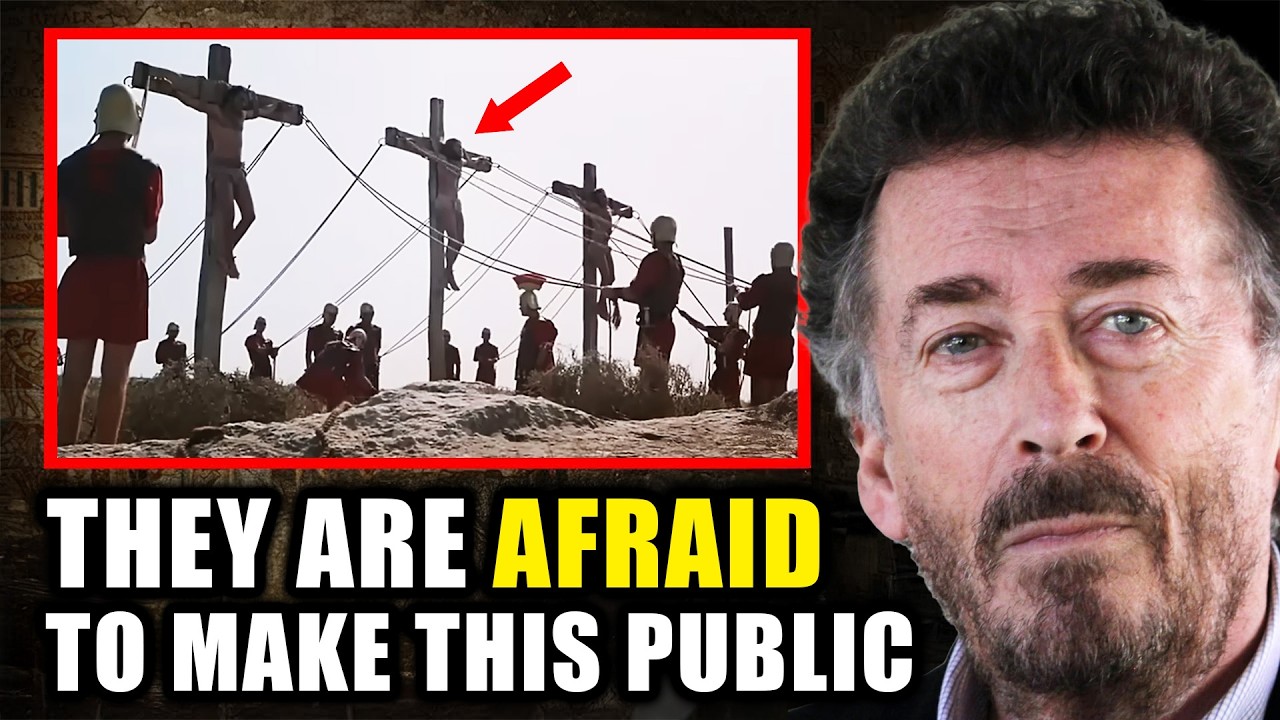
To achieve the physical appearance of a man who had endured suffering, Robert Powell adopted a strict diet for several weeks before filming the passion sequences. By eating very little and reducing his body weight, he allowed his face and body to appear thinner and more exhausted. The goal was not simply visual realism but emotional credibility. When audiences later watched the crucifixion scenes, they would see a man who looked genuinely weakened by suffering. Filming the scenes themselves required long hours under difficult conditions. Powell had to remain suspended on the cross while cameras captured multiple angles. Each shot required adjustments to lighting, camera placement, and actor positioning. What viewers eventually saw on screen as a few minutes of intense drama actually took many days to complete. Despite the technical complexity, the set often became unusually quiet during these moments. Crew members spoke softly. Extras who played members of the crowd stood silently between takes. The atmosphere resembled a solemn gathering more than a typical film set.
One of the most frequently mentioned stories from the production involves the reactions of the extras present during the crucifixion scenes. Hundreds of people were hired to portray onlookers in Jerusalem, soldiers, citizens, and followers of Jesus who witnessed the execution. Many of these individuals were local residents with little acting experience. They had been brought to the set simply to fill the background of large crowd scenes. But when filming began, something unexpected happened. As the scene unfolded with Jesus suspended on the cross, Roman soldiers standing nearby, and the disciples watching in grief, some of the extras reportedly became deeply emotional. A number of them began to cry during the takes. At first, the director assumed that these reactions were part of the performance. After all, the script called for expressions of sorrow and shock among the crowd. However, it soon became clear that many of the extras were not acting. Several participants later explained that the realism of the moment affected them strongly. Standing only a short distance away from the cross, watching the scene unfold against the stark desert sky, they felt as if they were witnessing something historical rather than fictional. Even though everyone knew it was a film, the emotional intensity of the scene blurred the line between performance and reality.
The reactions were not limited to the extras. Members of the technical crew, people responsible for cameras, lighting, and equipment, also described a noticeable shift in the atmosphere during these scenes. Normally, filmmaking requires constant movement. Technicians adjust equipment, assistants carry cables across the set, and directors give instructions loudly enough to be heard above the background noise. Yet during the crucifixion sequences, many crew members instinctively lowered their voices or stopped speaking altogether. Some later said they felt reluctant to interrupt the scene even when the cameras were not rolling. Part of this silence may have come from simple respect for the subject matter. The crucifixion of Jesus is one of the most powerful narratives in human history, and many people, religious or not, recognize its emotional gravity. But several participants suggested that the atmosphere felt deeper than ordinary respect. For a moment, the set felt almost sacred.

Director Franco Zeffirelli later reflected on these scenes in interviews. He explained that his goal had always been to present the life of Jesus in a way that felt real rather than theatrical. Unlike earlier biblical films that relied heavily on dramatic gestures and elaborate sets, Zeffirelli wanted his version to feel grounded in human experience. This approach meant focusing on subtle expressions and emotional authenticity rather than spectacle. During the crucifixion scenes, that realism reached its peak. The dusty wind blowing across the hill, the stillness of the watching crowd, and the quiet suffering portrayed by Powell created an atmosphere that many participants found deeply moving. For a few minutes, it seemed possible to forget that cameras and microphones surrounded the scene. What remained was simply the story.
The emotional impact of the passion scenes did not end when filming concluded. Several actors later said that working on the production affected them personally. Portraying characters who witnessed the suffering of Jesus required the cast to immerse themselves in the emotional world of the Gospel narrative. For some, this experience left a lasting impression. Actors who played the disciples often described the final scenes as particularly powerful. After spending months portraying followers who walked beside Jesus throughout his ministry, the moment of crucifixion felt like the loss of someone they had come to know. Even though the relationships existed only within the script, the long production schedule allowed the actors to inhabit their roles deeply. This emotional investment made the final scenes feel genuine rather than staged.
Another factor contributing to the intensity of the filming was the awareness that the story carried enormous significance for millions of viewers. The life of Jesus is not simply historical material. It forms the foundation of Christian faith. For many people, the events portrayed in the film are sacred memories passed down through generations. The cast and crew understood that their work would be watched by audiences around the world, including individuals for whom the story was deeply personal. This awareness created a sense of responsibility. Actors often discussed the importance of portraying the characters with dignity and authenticity. The goal was not to create sensational drama but to communicate the humanity of the people involved. In many ways, this commitment shaped the tone of the entire production.
By the time the crucifixion scenes were complete, many participants felt that the experience had been different from any other film project. Some described moments of quiet reflection between takes when individuals stood looking across the desert landscape without speaking. Others remembered conversations among cast members about the meaning of the story they had just reenacted. These moments did not involve dramatic or supernatural events. Instead, they reflected a shared awareness that the production had touched something profound. For a brief period, hundreds of people from different cultures and backgrounds had come together to recreate one of the most influential stories in human history. And in doing so, they discovered that the process itself could be deeply moving.
When Jesus of Nazareth was finally released, audiences around the world responded strongly to the passion sequences. Many viewers described them as among the most powerful portrayals of the crucifixion ever filmed. Part of that impact came from the visual realism and careful storytelling, but another part likely came from the atmosphere in which the scenes had been created. The respect, focus, and emotional investment of the cast and crew shaped the final result in ways that cannot easily be measured. Nearly 50 years later, these scenes continue to move viewers who watch the film during Easter or encounter it for the first time. And the stories told by those who were present during filming offer a glimpse into why the experience felt so extraordinary.
Nearly 50 years later, Jesus of Nazareth still holds a unique place in the history of biblical cinema. Many films about Jesus have been made since then, but few have combined historical seriousness, restrained storytelling, and spiritual atmosphere with the same balance. The careful direction of Franco Zeffirelli and the disciplined performance of Robert Powell created something that continues to feel authentic rather than theatrical. In my view, the most interesting aspect of this production is not whether unusual events occurred during filming. It is the collective mindset of the people involved. When actors and crew treat a story with genuine respect, that attitude becomes visible on screen. The emotional reactions described by participants suggest that the production environment encouraged reflection rather than spectacle. That may explain why audiences still respond to the film decades later. The series does not attempt to overwhelm viewers with dramatic effects. Instead, it invites quiet attention.
But this raises an important question for us today. Why does this portrayal of Jesus continue to resonate while many modern productions fade quickly? Is it because of the performance, the directing style, or the sincerity behind the project? And perhaps the most interesting question is this: When viewers feel something deeply spiritual while watching a film, is that the result of storytelling alone? Or does it reveal something about the enduring power of the story itself? The cast and crew of Jesus of Nazareth may not have all the answers, but their experiences offer a compelling glimpse into what happens when art and faith intersect. The silence on that set, the tears of the extras, and the unwavering gaze of Robert Powell all point to a production that transcended its medium. For those who were there, it was more than a job. It was an encounter with something timeless. And for audiences who continue to watch the film today, that encounter remains as powerful as ever.
Source: YouTube