Robert Fratta, a former police officer convicted of orchestrating his wife’s murder, was executed by lethal injection on January 10, 2023, in Texas. After nearly three decades of legal battles, his death marks a grim resolution to a chilling case of betrayal and calculated violence that has haunted a family for generations.
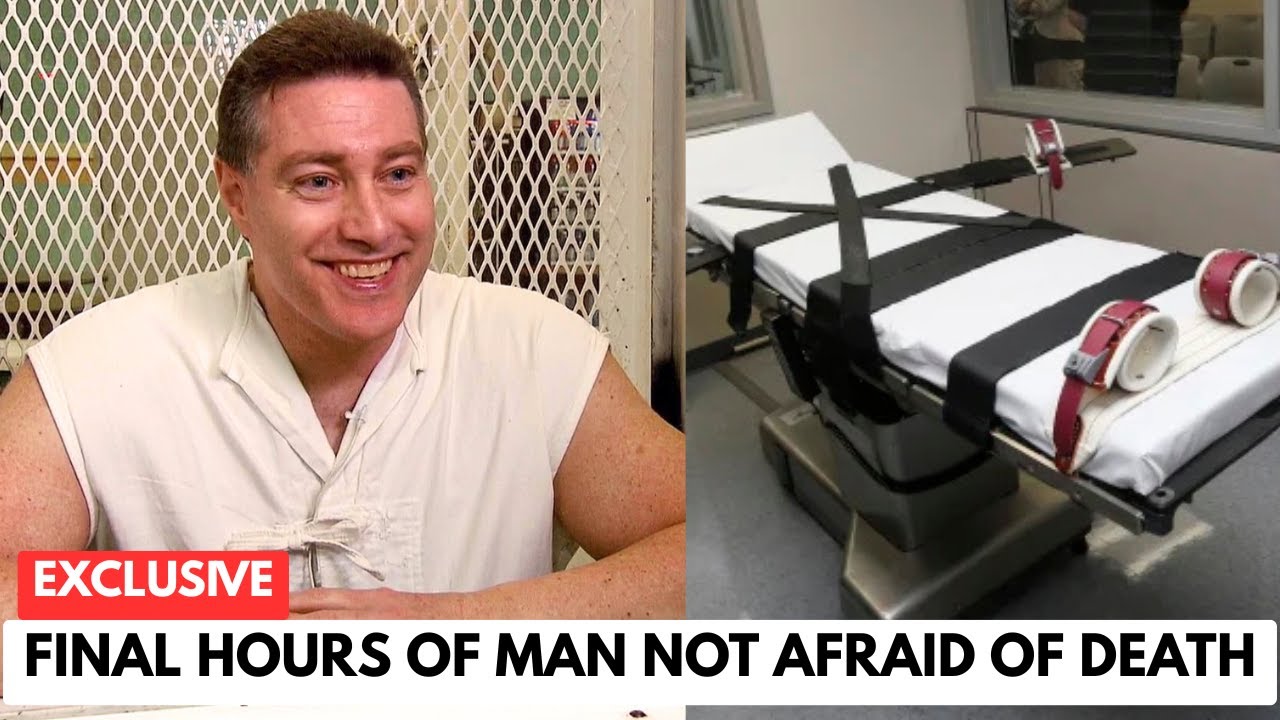 Fratta’s execution at the Huntsville unit was the first carried out by Texas in 2023, drawing attention to a case that began in 1994 when he plotted to eliminate his wife, Farah, amid a contentious divorce and custody battle. Friends of Farah recalled her fears, as she confided in them about Robert’s controlling behavior and threats, believing he would 𝓀𝒾𝓁𝓁 her rather than allow her to leave.
On the night of November 9, 1994, tragedy struck. After sharing dinner with their children, Farah returned home alone. As she parked her car in the garage, Howard Gidri emerged from the shadows, shooting her twice in the head. Fratta, meanwhile, maintained an alibi at church, appearing calm and collected as chaos unfolded at home.
The investigation initially stalled, but suspicions quickly turned toward Robert. His lack of emotion and attempts to cash in on Farah’s life insurance policy raised red flags for her family. Months later, a breakthrough came when Gidri was arrested on unrelated charges, leading police to a weapon linked to the murder.

The case unraveled further when Joseph Price Dash’s girlfriend provided crucial details about the murder-for-hire scheme. In April 1995, Fratta was arrested and charged with capital murder. His trial in 1996 revealed a chilling narrative of premeditated violence driven by financial desperation and a desire for control over his children.
Fratta’s conviction was overturned in 2007, but he was retried in 2009 and again sentenced to death. Over the years, he filed numerous appeals, each one rejected, as his children—raised by Farah’s parents—grew up severed from him. The finality of the legal process loomed as the U.S. Supreme Court denied his last appeal in late 2022.

As the execution date approached, Fratta remained stoic, showing no signs of remorse. Unlike many inmates, he was not granted a special last meal, receiving the same meal as others on death row. On execution day, he was moved to the Huntsville unit, where he had a final meeting with a spiritual adviser.
Witnesses gathered behind the glass of the death chamber, including Farah’s brother and Fratta’s own son. They had waited nearly 30 years for justice, their emotions a mix of relief and sorrow. As the lethal injection began, Fratta took a deep breath, then began to snore involuntarily before silence filled the chamber. He was pronounced dead at 7:49 p.m.

Outside the prison, reporters awaited updates while inside, Farah’s family experienced a bittersweet closure. Andy Kahan, a victim’s advocate, emphasized the cowardice of Fratta’s actions, stating he died as he lived—unrepentant and silent. For Farah’s children, the execution marked an end to a long, painful chapter, allowing them to reclaim their lives from the shadow of their father’s monstrous deeds.
Fratta’s story serves as a haunting reminder of the lengths some will go to in the name of control and greed. His silence in the face of justice lingers, echoing the pain he caused a family that only sought to protect themselves from him. As Texas moves forward, the questions surrounding the death penalty and the wait for justice remain poignant and unresolved.