Travis James Mullis was executed by lethal injection in Texas on September 24, 2024, after spending over 13 years on death row. In a case marked by profound mental illness and a controversial legal journey, Mullis chose not to appeal his sentence, accepting his fate with chilling resolve.

Mullis’s life story is a harrowing tale of trauma and tragedy. Born on September 20, 1986, he faced a precarious start, surviving a serious medical condition. Abandoned by his father and orphaned by his mother’s death, he was adopted by an uncle and aunt who failed to protect him from 𝓪𝓫𝓾𝓼𝓮.
By age four, Mullis was diagnosed with multiple severe mental health disorders, including PTSD and bipolar disorder. His childhood was marred by years of institutionalization and treatment failures. At 18, he was released into a world that offered him no support, leading to a devastating crime that would seal his fate.
On January 29, 2008, Mullis killed his three-month-old son, Elijah, in a fit of rage. After disposing of the infant’s body, he fled Texas but eventually confessed to the crime. His trial in 2011 was swift, with a jury convicting him of capital murder in just one hour.
Despite his guilt being undeniable, the sentencing phase revealed the complexities of his life. Prosecutors painted Mullis as a predator, while his defense highlighted his traumatic past. Yet, his trial attorneys failed to present a comprehensive picture of his history, raising questions about the adequacy of his representation.
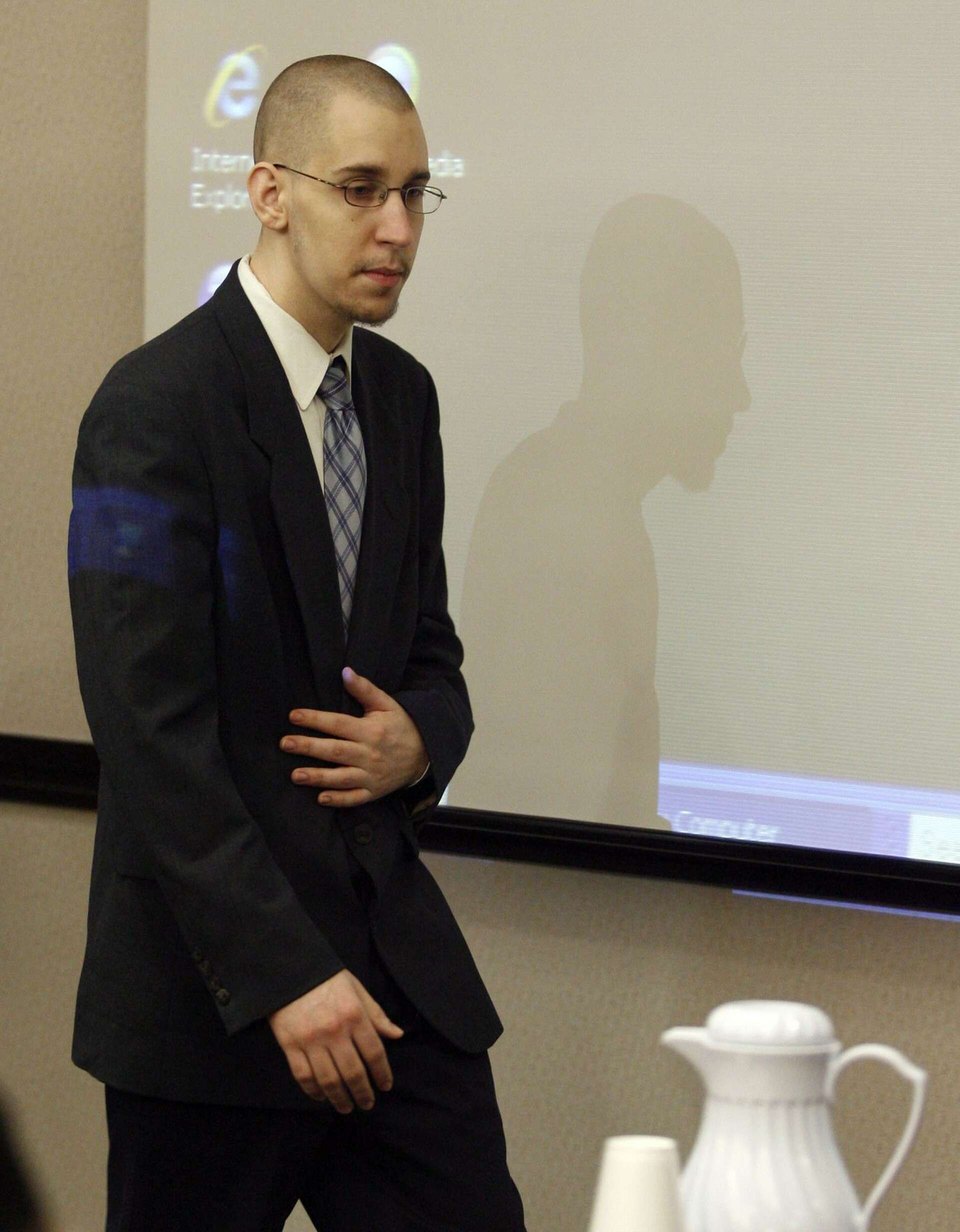
Mullis was sentenced to death, but his journey on death row was anything but typical. Unlike many inmates, he did not fight against his sentence. Instead, he sought to expedite his execution, believing it was in the best interest of justice for his victim’s family.
Over the years, Mullis experienced a transformation, engaging with faith communities and counseling fellow inmates. He expressed remorse for his actions, acknowledging the gravity of his crime. Yet, his mental health issues complicated his legal decisions, leading to a contentious debate about his competency to waive appeals.
As the execution day approached, Mullis’s legal team argued against the decision to carry out his death sentence without a full constitutional review. However, the courts upheld the execution, stating Mullis had chosen his path.

On the day of his execution, Mullis was offered a standard meal, as Texas had abolished special last meals. Witnesses gathered as he was brought into the execution chamber, where a technical delay in establishing IV access added an unexpected tension to the proceedings.
When asked for his final words, Mullis thanked those who had supported him and expressed regret for his son’s death. He stated, “The morality of execution is between you and God. It was my decision that put me here. I’m ready, Warden.”
At 7:01 p.m. Central Time, Travis James Mullis was pronounced dead, becoming the 591st person executed in Texas since 1982. The case raises profound questions about mental illness, justice, and the moral implications of capital punishment, leaving a haunting legacy that will continue to provoke debate.