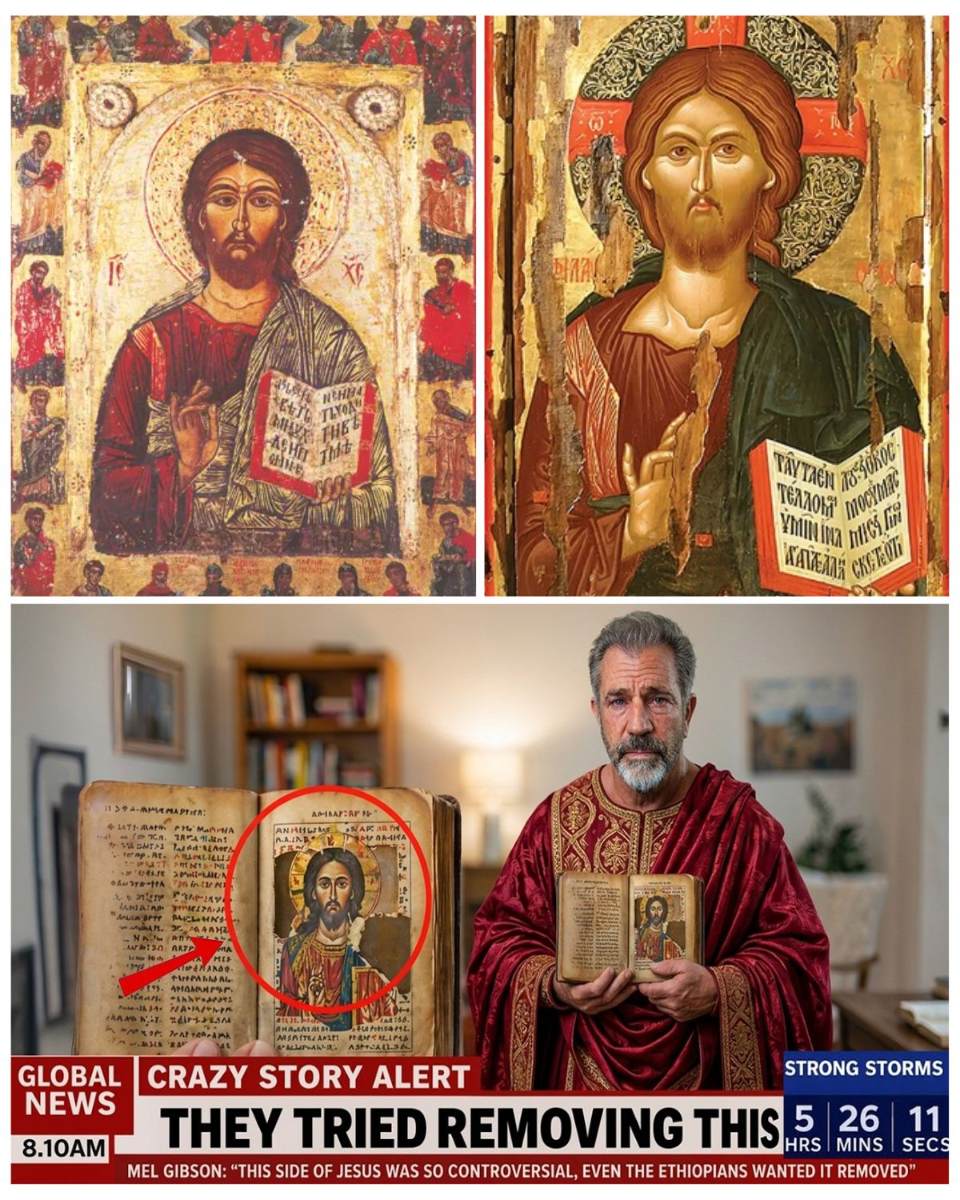
Mel Gibson is set to revolutionize the portrayal of Jesus Christ in his upcoming film, drawing from ancient Ethiopian texts that challenge centuries of Western Christian narratives. With a staggering budget of over $250 million, Gibson aims to present a vision of Christ that has remained hidden for generations, emphasizing a cosmic journey beyond traditional depictions.
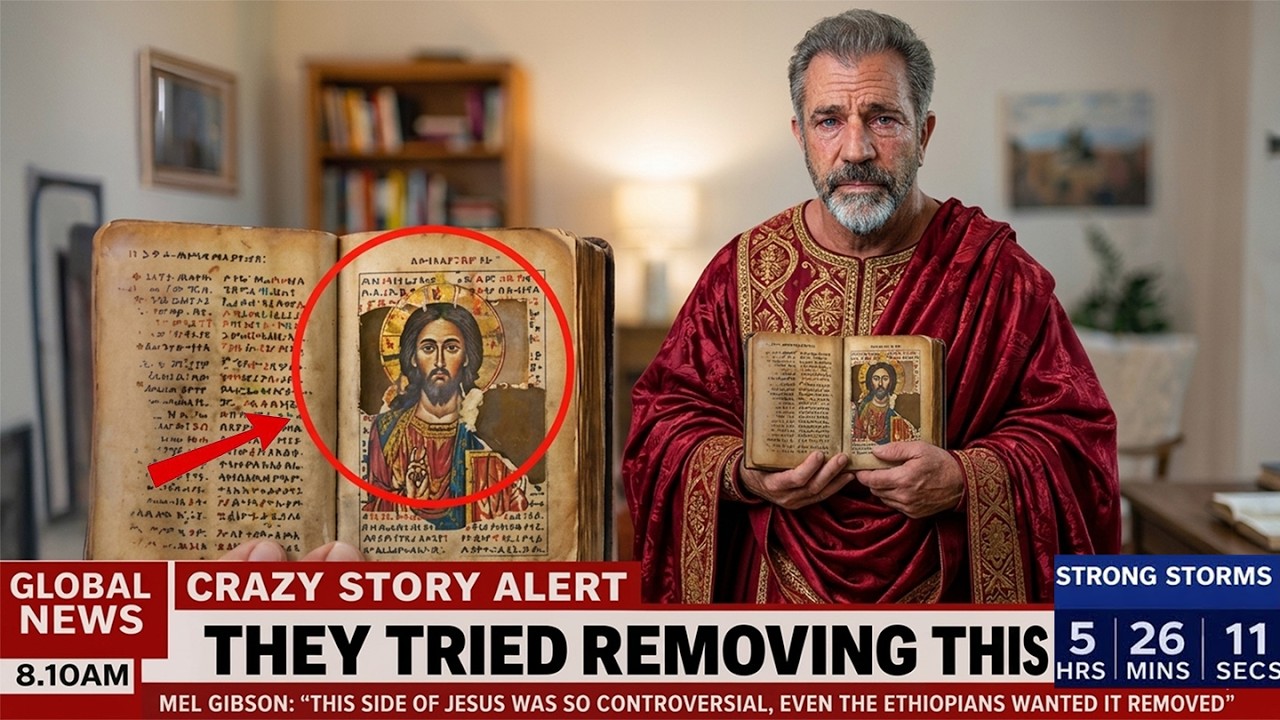 For over 1,500 years, Ethiopian monks have safeguarded manuscripts that offer a radically different perspective on Jesus. These texts, often dismissed by Western religious authorities, contain profound insights into early Christian beliefs that diverge significantly from the sanitized versions familiar to most audiences today.
Gibson’s ambitious project, filmed at Cinecittà Studios in Rome, is not merely a sequel to his 2004 blockbuster “The Passion of the Christ.” It aims to explore the events surrounding Jesus’ life and resurrection through a lens informed by ancient writings, including the Book of Enoch and the Ascension of Isaiah.
The filmmaker has long sought to tell the untold story of Christ, a narrative that stretches from the fall of angels to the death of the last apostle. This broader scope promises to challenge viewers’ understanding of biblical events, moving beyond the familiar confines of the New Testament.

In a recent interview, Gibson described his vision as a journey through multiple realms, confronting spiritual battles that transcend human experience. This ambitious narrative reflects the themes of the preserved Ethiopian texts, which depict a cosmic struggle and the profound significance of Christ’s resurrection.
The Ethiopian Orthodox Tewahedo Church has maintained a rich tradition of Christian thought that diverges from Western interpretations. With a biblical canon that includes up to 88 books, these texts provide a wealth of theological insights that have largely remained hidden from mainstream Christianity.

Among the manuscripts preserved in Ethiopia are writings that describe a Jesus whose life and death resonate on a cosmic scale. The Ascension of Isaiah, for example, presents a layered view of creation and the significance of Christ’s descent into the world, illustrating a divine narrative that challenges conventional understandings.
This upcoming film could serve as a pivotal moment in how Jesus is represented in popular culture. By drawing from these ancient sources, Gibson is poised to introduce audiences to a version of Christ that is both more complex and more deeply rooted in early Christian thought than what has been previously depicted.

As the release date approaches, anticipation is building. The film, set to premiere on Good Friday, March 26th, 2027, is expected to provoke discussions about the nature of faith, authority, and the historical context of Christian teachings.
Gibson’s project could potentially reshape the landscape of religious cinema, inviting viewers to reconsider the narratives they have long accepted. The monks who preserved these texts believed in their sacredness and significance, and now their efforts may finally be recognized on a global stage.
As the film’s production unfolds, the world watches closely. What revelations about Jesus and early Christianity will emerge from Gibson’s ambitious undertaking? Only time will tell, but the potential for a transformative cinematic experience is undeniable. The hidden histories of Christianity may soon be unveiled in a way that challenges and enriches contemporary faith perspectives.