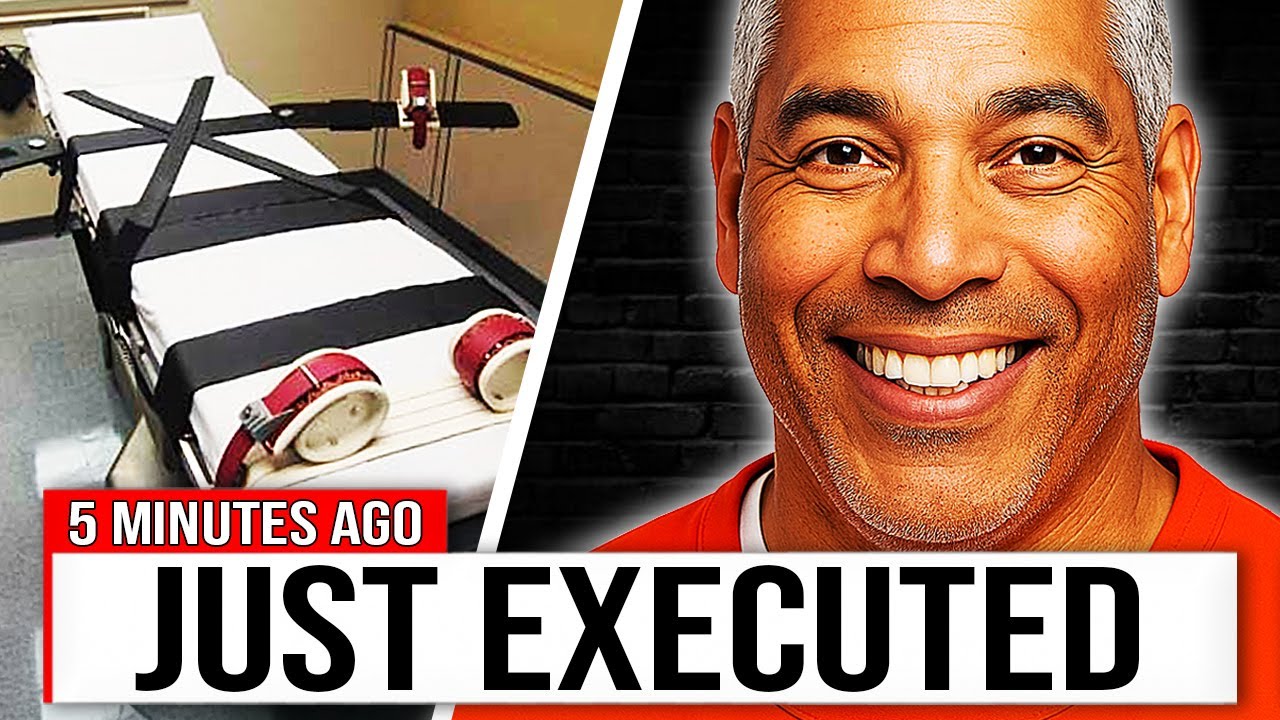
Michael Bernard Bell was executed by lethal injection at Florida State Prison on July 15th, 2025, after 30 years on death row. Bell’s final meal and last words mark the grim end of a violent saga rooted in revenge, controversy, and decades of legal battles surrounding multiple murders in Jacksonville.
The chilling chain of violence began on a cold December night in 1993. Bell, driven by revenge for his brother Lamar’s death, wielded an AK-47 and opened fire outside a Jacksonville bar. Mistakenly targeting innocent bystanders, he killed two and wounded others in a brutal ambush.
Bell’s pursuit of vengeance was fueled by a bitter dispute over his brother’s fatal shooting five months earlier, which was legally ruled self-defense. Refusing to accept the verdict, Bell meticulously planned retaliatory violence, obtaining the 𝒶𝓈𝓈𝒶𝓊𝓁𝓉 rifle and ammunition through his girlfriend, Erica Williams.
On December 9th, 1993, Bell and two accomplices waited in the shadows outside the lounge. Spotting a yellow Plymouth they believed belonged to Theodore Wright, Bell fired relentlessly, ending Jimmy West and Tama Smith’s lives. Another young woman escaped the bloodbath unharmed.
The firing did not stop with the initial victims. Bullets sprayed indiscriminately toward patrons lining up outside, and stray shots even reached a nearby home where children were present. Miraculously, no one inside was hit, but chaos and terror engulfed the scene.
Bell fled the night in cold blood. Later, at his aunt’s house, he brazenly declared, “Thodor got my brother, and now I got his,” revealing a ruthless resolve that prosecutors would later argue was harbored from the start.
Despite numerous witnesses, it took law enforcement over a year to apprehend Bell. The breakthrough came from two inmates, Henry Edwards and Charles Jones, who testified they witnessed the shooting firsthand, sparking a chain of evidence that led to Bell’s eventual capture.
Skeptics questioned the credibility of their testimony, suspecting ulterior motives. Yet, neither inmate received prison sentence reductions or favors, lending weight to their sworn statements that would become pivotal in Bell’s trial.
Bell’s girlfriend Erica Williams provided a crucial confession, admitting she helped Bell procure the AK-47 used in the deadly shooting just a day before the attack, sealing the prosecution’s evidence chain.
In March 1995, Bell went on trial for two counts of first-degree murder. Claiming self-defense, he argued mistaken fear, a defense used unsuccessfully by his brother’s shooter. The jury rejected this claim and found Bell guilty, setting the stage for a death penalty recommendation.
Eyewitnesses testified to the terrifying scene that night, describing desperate dives for cover and the nearby children 𝒄𝒂𝓊𝓰𝒉𝓉 in the crossfire. The jury weighed this along with Bell’s criminal history, including a prior armed robbery conviction.
Bell’s own mother testified on his behalf, portraying a man pushed by threats and circumstances. However, the jury found multiple aggravating factors overshadowed any mitigating justifications and delivered two death sentences for the twin murders.
Further dark revelations surfaced during the trial. Bell confessed additional killings: a 1989 shooting that claimed the lives of his girlfriend Leon Coward and her toddler, and a 1993 murder of his mother’s boyfriend following a dispute, revealing a pattern of unchecked violence.
Bell was sentenced to an additional 25 years for these earlier crimes. His violent past painted a stark backdrop to the fatal ambush, solidifying the prosecution’s portrayal of a man driven by vengeance and marked by repeated lethal acts.
Over the next three decades on death row, Bell’s legal team tirelessly fought to overturn the conviction. Claims of racial bias, prosecutorial misconduct, and jury prejudice formed the bedrock of appeals that sought to halt the execution.
Defense attorneys highlighted questionable witness testimonies and alleged lack of consideration for Bell’s mental state or youth at the time of the crimes. Despite these efforts, higher courts consistently rejected appeals, maintaining his sentence.
In June 2025, Florida Governor Ronda Santis signed Bell’s death warrant, making him the eighth person executed in the state that year amid a surge of capital punishments unseen in decades, drawing nationwide attention and debates on justice and due process.
Shortly before the scheduled execution, 𝓈𝒽𝓸𝒸𝓀𝒾𝓃𝑔 new developments emerged. Henry Edwards recanted his prior testimony, claiming police coaching and coercion in exchange for sentence leniency. He admitted he had not witnessed the shooting firsthand, undermining key prosecution evidence.
Just days later, Charles Jones corroborated Edwards’ recantation, affirming coached testimony orchestrated by law enforcement and prosecutors aimed at securing a conviction. Both men alleged threats compelled their false statements, exposing potential prosecutorial misconduct.
Bell’s defense team acted swiftly, filing motions that contended the new revelations could have altered the trial’s outcome and demanded stays of execution. However, the judge ruled the testimony recantations insufficient to overturn previous verdicts.

The execution date remained fixed, and on July 15th, 2025, Bell faced his final hours. His last meal consisted of an omelette, bacon, home fries, and orange juice, a final moment of normalcy amid a harrowing punishment.
Bell met with a spiritual adviser as the day unfolded in quiet finality. Despite last-minute appeals to the U.S. Supreme Court, no intervention was granted, tightening the inexorable grip of the death sentence.
At 6:00 p.m., Bell was secured in the execution chamber. The lethal injection process commenced after the warden solicited any last words. Bell’s expression was calm but resolute as he spoke: “Thank you for not letting me spend the rest of my life in prison.”
The drugs administered silenced a life marked by violence and vengeance. By 6:25 p.m., Michael Bernard Bell was pronounced dead, concluding one of Florida’s most controversial capital punishment cases in recent memory.
The execution reignites fierce debate over justice, the death penalty, and the reliability of witness testimony. Bell’s case exposes fissures in the legal system, raising questions about fairness, racial bias, and prosecutorial conduct that continue to resonate nationwide.
As the state moves forward with an unprecedented execution schedule, public scrutiny intensifies. Advocates for criminal justice reform call for renewed examination of cases like Bell’s, while others argue the verdict and sentence were rightly delivered for multiple heinous murders.
Michael Bernard Bell’s story is a stark reminder of the deadly consequences of vengeance unchecked, the complexities of the justice system, and the enduring quest to balance punishment with fairness and accuracy.
The community in Jacksonville and beyond wrestles with the legacy left behind—a tale of tragedy, loss, and the ultimate price paid under the shadow of the death penalty. What remains is a profound question: Has justice truly been served?
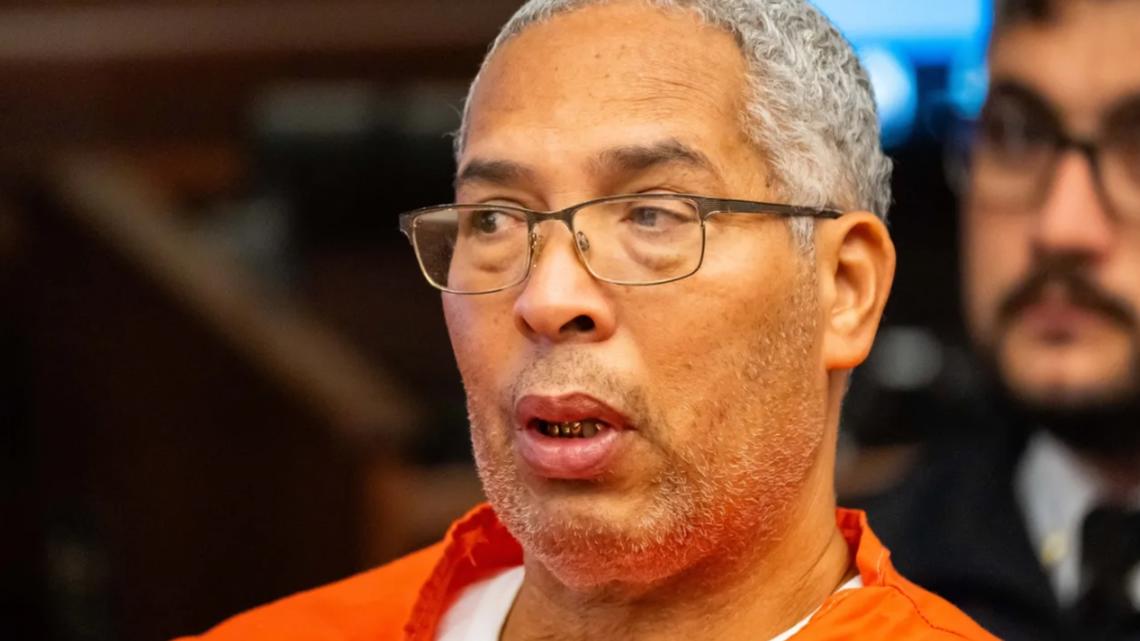
The nationwide conversation continues as citizens and legal experts alike analyze the enduring impact of Bell’s execution, its implications for capital punishment policies, and the treatment of death row inmates moving forward.
For now, Michael Bernard Bell’s final chapter has closed. The echoes of gunshots on a cold night decades ago still reverberate, casting a long shadow over Florida’s willingness to enforce its harshest sentence amid evolving scrutiny.
This historic case epitomizes the tension between retribution and redemption, between the irrevocable nature of the death penalty and the pursuit of truth under the weight of human fallibility. The story of Michael Bernard Bell is far from forgotten.