Prince Harry faced an unprecedented public relations disaster in Melbourne, Australia, when only 42 attendees showed up at the Inter Edge Summit, an event designed for 300 seats, despite a $50,000 expenditure. This humiliating moment underscores the dramatic fall from grace for the Duke of Sussex on his 2026 Australian visit.
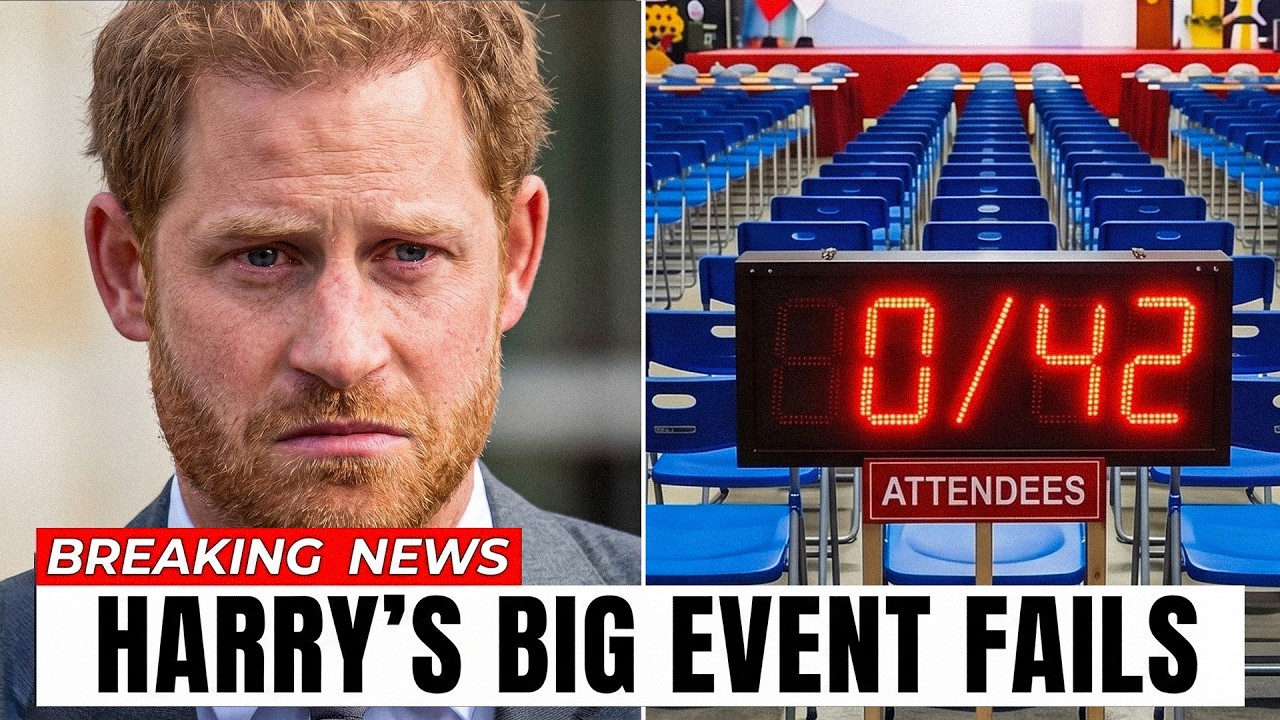
The Inter Edge Psychosocial Safety Summit, held in mid-April 2026, was positioned as a high-profile mental health conference. Organizers ambitiously set ticket prices as high as $2,378 Australian dollars, banking on Harry’s star power to fill the venue. Instead, the event’s failure to attract a large audience became a glaring headline.
Initially touted as sold-out, the summit’s advertised success dissolved when the sold-out notice abruptly vanished from the website weeks before the event. Ticket prices halved and more affordable virtual options emerged—clear signs of desperation by the organizers to fill seats and recoup mounting costs.
Prince Harry’s keynote address promised to be a highlight, with sources reporting a speaking fee upwards of 70,000 Australian dollars. Yet, the event was met with rows upon rows of empty chairs, a stark visual that compounded the humiliation for a figure once celebrated in Australia.
Melbourne’s slim audience sharply contrasted with the overwhelming crowds that greeted Harry and Meghan Markle during their 2018 royal tour across Australia. That visit saw thousands braving rain to catch a glimpse of the couple, showcasing a vibrant monarchy-to-celebrity crossover now faltered in 2026.
The precipitous decline in public enthusiasm reflects deeper issues. The Sussex brand, once glowing with potential after lucrative Netflix and Spotify deals, has suffered significant setbacks. Spotify severed ties in 2023 amid public criticism, while Netflix scaled back their partnership, signaling waning influence.
Efforts to maintain media and public attention through exclusive and highly controlled appearances during the Melbourne trip appeared to backfire. The absence of public walkabouts and the tight grip on media coverage suggested a tacit acknowledgment of diminished public interest and goodwill.
Australian taxpayer resentment brewed over security costs for what was officially a private visit. Despite claims of private funding, police support and logistical measures fell on the public purse, fueling petitions and media criticism urging a clear separation between royal privilege and private enterprise.
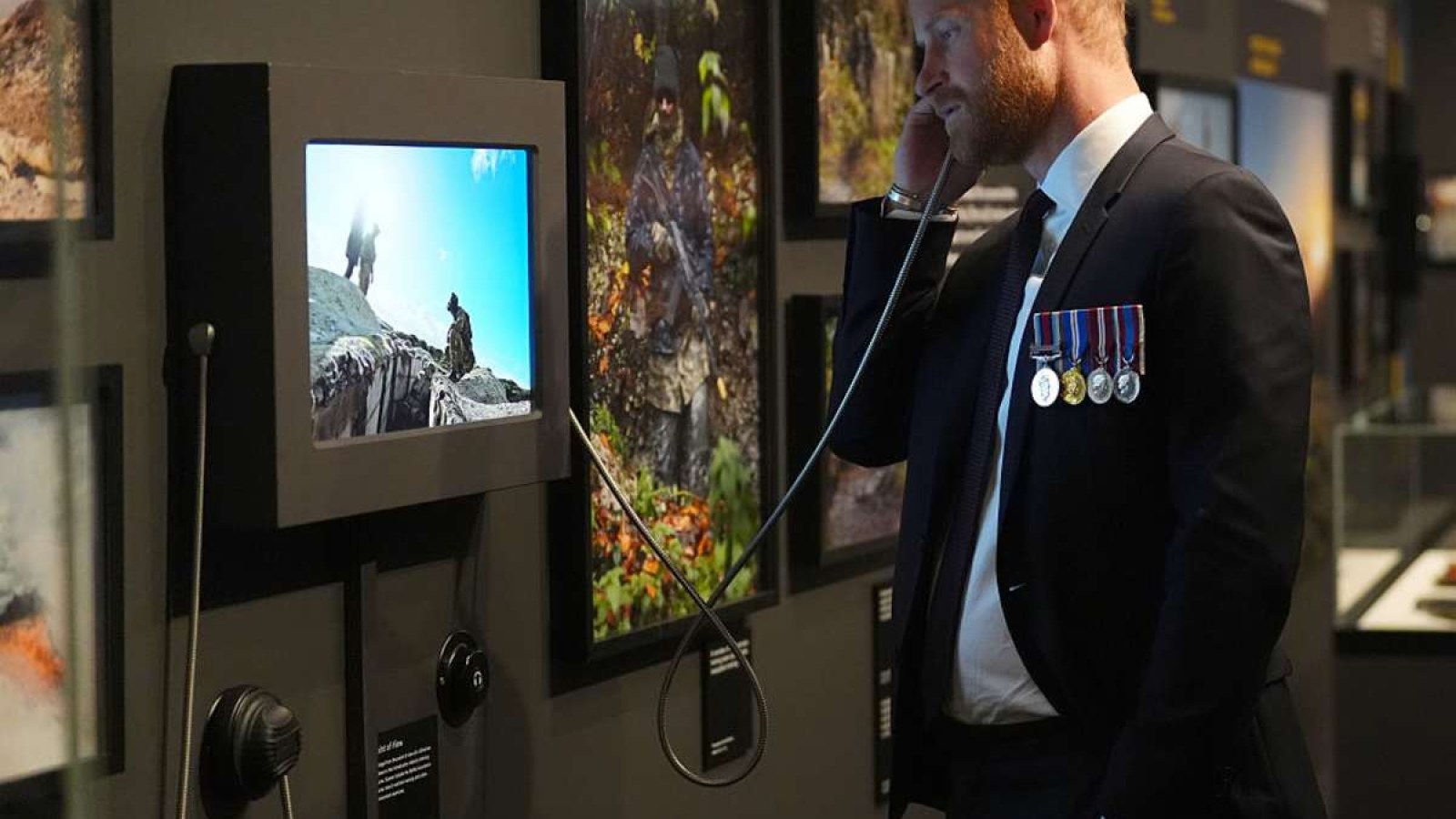
The 42 attendees at the event convey far more than poor ticket sales—they mark a critical moment of reckoning for Harry’s post-royal identity. Speaking engagements, once seen as lucrative and impactful, now face viability questions if audiences remain disinterested and ticket prices untenable.
Royal experts and media commentators have framed the Melbourne trip as a “faux royal tour,” an attempt by the Sussexes to shore up their brand through orchestrated appearances more akin to celebrity marketing than royal duty. This subtle shift has not been met warmly in Australia.

Beyond the public spectacle, the financial implications are severe. Failure to sell sufficient tickets results in substantial revenue losses, unpaid venue costs, and a negative impact on Harry’s marketability as a keynote speaker. The lavish $14.65 million California mansion and Archewell expenses only compound this imbalance.
The 2026 Melbourne summit disaster echoes broader challenges for the Sussexes amid shrinking commercial and cultural capital. As streaming platforms retreat and public tastes evolve, Harry’s ambitious media empire appears much diminished compared to earlier projections of a billion-dollar brand.
Harry’s personal and professional crossroads intensify as his father, King Charles, undertakes high-profile diplomatic missions, highlighting stark contrasts between official royal roles and private branding ventures. The ongoing shift prompts questions about the viability of Harry’s career outside traditional royal frameworks.
The empty seats underscore a harsh reality: emotional connection and public trust are irreplaceable currencies in celebrity and royalty. Without these, star power alone cannot sustain events or justify exorbitant fees, especially when the public perceives inconsistency between image and actions.
While Harry’s memoir, Spare, achieved remarkable sales initially, subsequent commercial pursuits have faltered, reflecting eroding goodwill. The lack of significant public interest in this mental health conference suggests that the Sussex brand has struggled to translate name recognition into meaningful, paid engagement.
The Melbourne event, therefore, serves as a barometer for Harry’s current stature on the global stage. His ability to reinvent or reclaim relevance hinges on overcoming this stark downturn, but the immediate public and financial fallout signals turbulent times ahead for the Duke of Sussex.
Australian public and media backlash highlights a shif
ting perception of the Sussexes—from beloved global figures to controversial celebrities navigating a precarious balance between privilege and profitability. This uneasy transition challenges their future strategies in media, philanthropy, and public engagement.
In summary, Prince Harry’s 2026 Melbourne experience is not merely a momentary embarrassment but a potent indication of declining influence and the complexities of redefining royal identity amidst modern celebrity culture. The empty seats tell a story far more profound than a failed event.