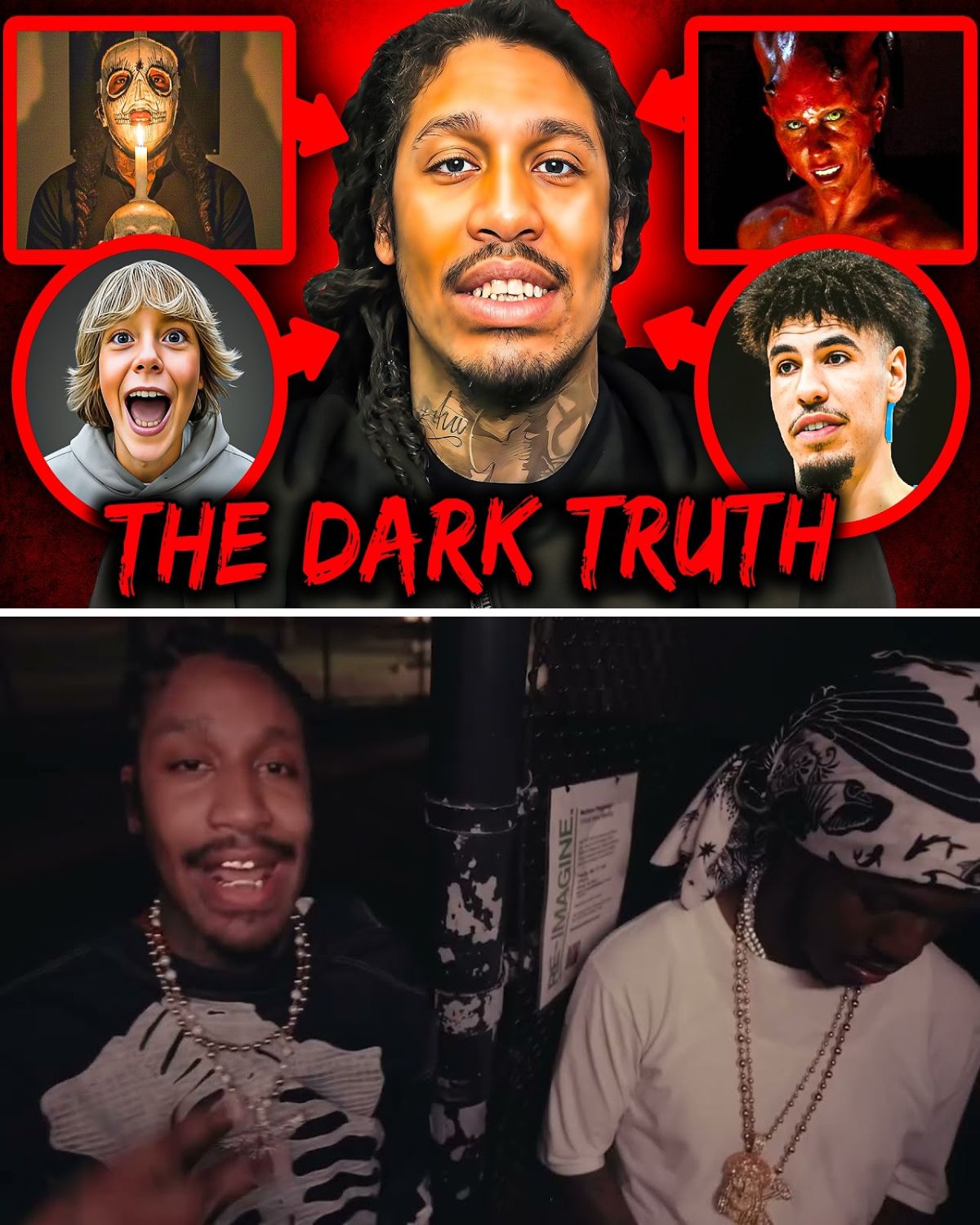
The Dark Side of Viral Fame: Skrilla’s “67” Trend Exposed
 In a shocking twist that has captivated and horrified social media, Skrilla’s viral hit “67” is not just a catchy tune; it’s steeped in a dark underbelly of animal sacrifices, gang violence, and potential curses. As the track sweeps across TikTok, schools are banning the word “67,” unaware of the sinister implications behind its rise.
Skrilla, now one of the hottest names in rap, has leveraged the power of social media to catapult his career overnight. But beneath the surface of the trendy chant lies a chilling narrative involving Santeria, a religion that endorses animal sacrifices. Skrilla has openly discussed his beliefs and rituals, revealing a world where music and the occult intertwine.
The track “67” has become a ritualistic chant, with rumors swirling that saying the phrase invokes a curse on rivals. Many users, particularly young fans, are unknowingly participating in this dark ritual simply by engaging with the song. Skrilla’s lyrics hint at a violent past, referencing sacrifices and the haunting consequences of his lifestyle.

The trend initially gained traction through sports edits and playful social media posts, but it quickly morphed into a phenomenon with serious implications. High school athlete Tailon “TK” Kenny propelled the trend further by referencing “67” in a viral Starbucks review, earning him the nickname Mr. 67. His venture into branded merchandise, like “67 Water,” has only added fuel to the fire.
However, the allure of “67” is not merely commercial; it’s deeply rooted in gang culture. Skrilla’s connection to real-life gang violence raises eyebrows, as he allegedly appropriated the term from a notorious Philadelphia crew. The implications of this appropriation have ignited tensions, with rival factions now embroiled in a dangerous game of retaliation.

Skrilla’s past is riddled with brushes with the law and claims of gang affiliations. His lyrics often reflect a life spent navigating the treacherous streets of Kensington, where violence is a daily reality. The recent surge in interest surrounding “67” has only intensified the scrutiny on Skrilla and the potential fallout from his lyrical choices.
As the trend continues to dominate social media, questions about the authenticity of Skrilla’s persona arise. Critics speculate whether he is genuinely connected to the streets or merely crafting a narrative for fame. Despite the controversy, his popularity shows no signs of waning, with even celebrities like Natasha Bedingfield and Kim Kardashian attempting to capitalize on his viral success.

The chilling reality is that while “67” serves as a catchy hook for many, it symbolizes much more—a blend of cultural appropriation, gang rivalry, and the dangerous allure of a lifestyle that many are drawn to without fully understanding its implications.
As the story unfolds, it remains to be seen whether Skrilla will address the darker aspects of his rise to fame or continue to ride the wave of viral success. One thing is clear: the “67” trend is a potent reminder of the intersection between music, culture, and the often grim realities that lie beneath the surface.