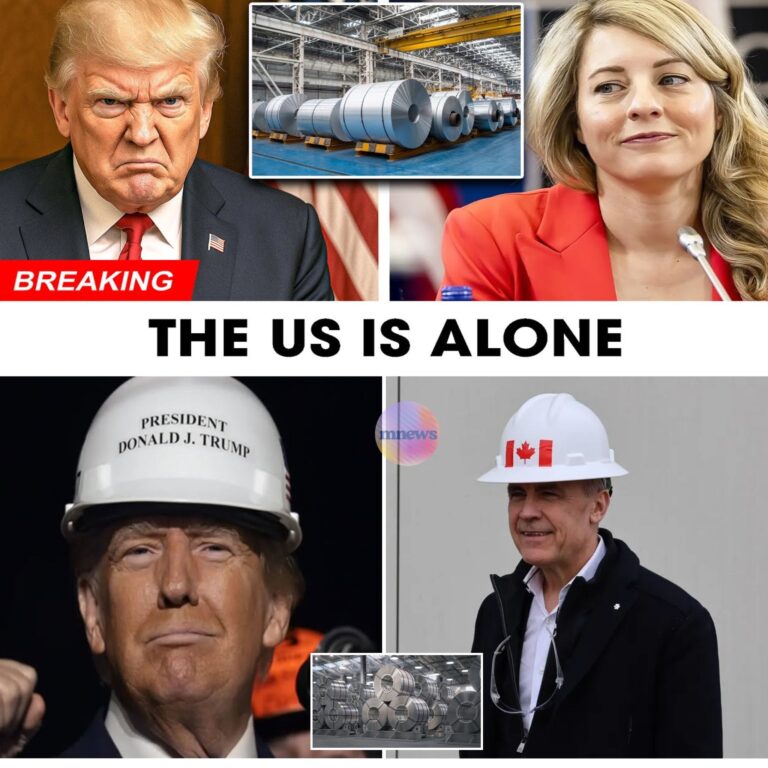
A confidential U.S. national security document has formally identified Canada as a nation to be directed in a new economic strategy, marking a stark diplomatic escalation and a direct challenge to Canadian sovereignty. The strategy, which will guide American trade and foreign policy, assigns roles to allies with language analysts describe as coercive and indicative of a fundamental shift in the bilateral relationship.

For the first time, Canada finds itself explicitly named in a framework that treats allied compliance as a matter of American security. The document outlines a global effort to rebalance China’s economy and lists nations, including Canada, expected to fall into line. The critical term used is “encourage,” a verb experts say reveals an underlying power dynamic more akin to instruction than partnership.
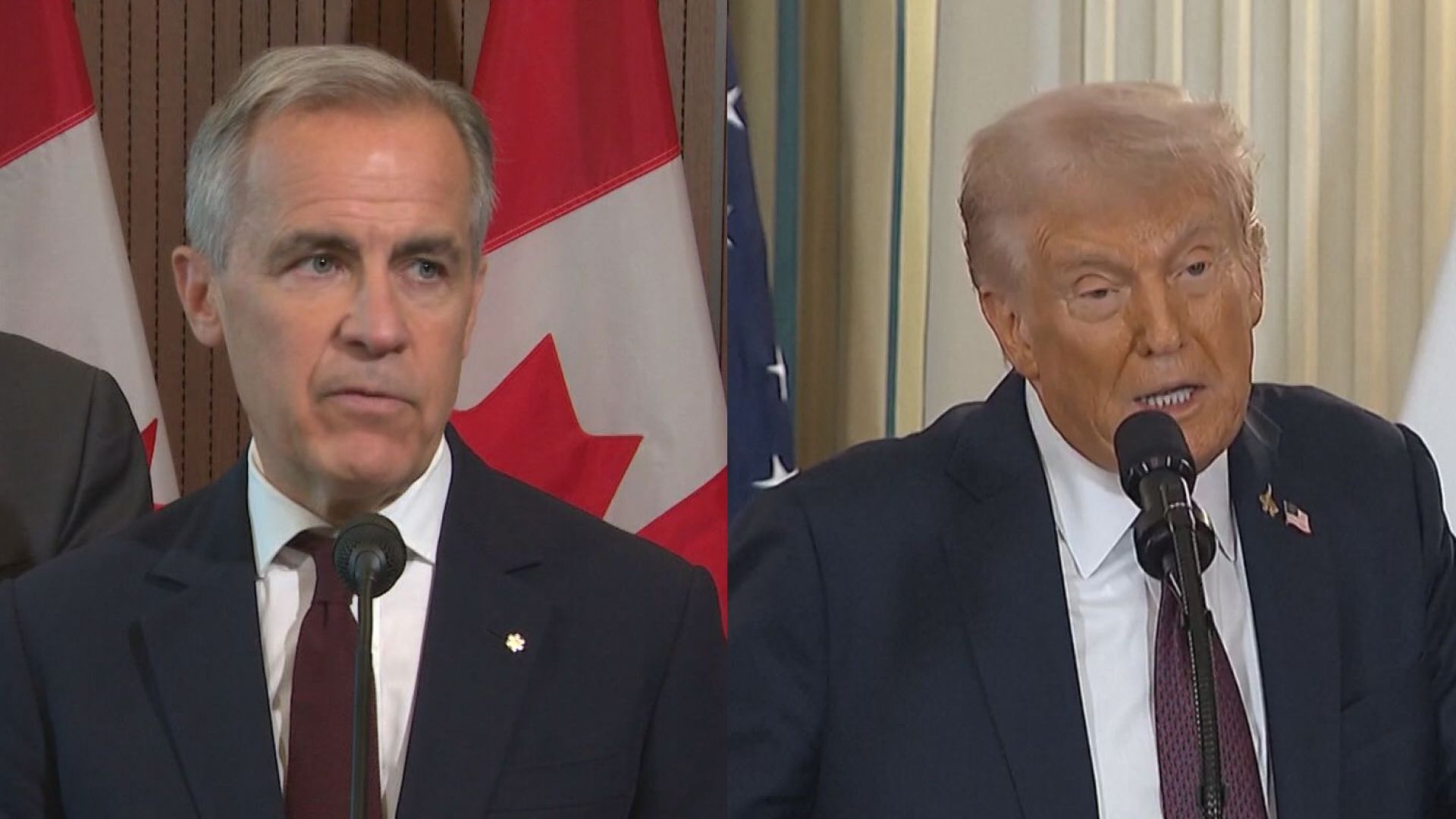
The single reference to Canada is not among friends or equals, but within a list of tools. It appears in a section detailing economic pressure on Beijing, signaling that Ottawa’s independent trade policy with China is now viewed through a lens of U.S. strategic interest. This formal codification turns past diplomatic friction into official doctrine.
The implications extend far beyond trade rhetoric. Deep within the strategy, the United States declares access to critical minerals and rare earth elements a national security priority. Canada, possessing vast deposits of these resources, has actively pursued diversified global partnerships for its critical minerals strategy, a move that now clashes directly with Washington’s stated security needs.

This framing provides Washington with a legal and rhetorical pretext to retaliate against Canadian resource deals with Asian partners. A long-term supply agreement between a Canadian miner and a Japanese battery maker could be reinterpreted as a “threat to U.S. supply chains,” unlocking tools like tariffs, import bans, and regulatory pressure.
![Quốc tế nổi bật] Ông Trump tức giận với FBI trước "giờ G"](https://imgcdn.tapchicongthuong.vn/tcct-media/20/11/2/donald_trump.jpg)
The strategy’s broad definitions of threats create further peril. It categorizes “propaganda, influence operations, and cultural subversion” as security risks, potentially weaponizing routine Canadian public messaging. Tourism campaigns highlighting social stability or media criticism of U.S. policy could be labeled as subversive influence, justifying economic countermeasures.
The document’s tense tone suggests a superpower grappling with insecurity rather than projecting confident leadership. It openly questions the worthiness of traditional European allies and obsesses over supply chain control and technological competition. The need to publicly dictate terms to allies betrays a fear of eroding automatic obedience.

Prime Minister Mark Carney’s government appears to have anticipated this pivot. For years, Ottawa has accelerated its Indo-Pacific strategy, signing resource and technology agreements with Japan, South Korea, India, and ASEAN nations. This diversification effort is now revealed as a strategic countermeasure—an “escape tunnel” from over-reliance on a single, volatile partner.
The confrontation moves from paper to practice with the threat of tariffs, which have evolved into a universal tool of coercion. Under this new framework, any Canadian divergence—on China policy, mineral sales, or public discourse—can be framed as a security threat, justifying immediate economic punishment. Canada now faces a defining choice between compliance and independence. The path of compliance means aligning trade with China to U.S. demands, prioritizing American mineral buyers, and muting criticism to avoid retaliation. It offers short-term stability at the cost of sovereign agency.
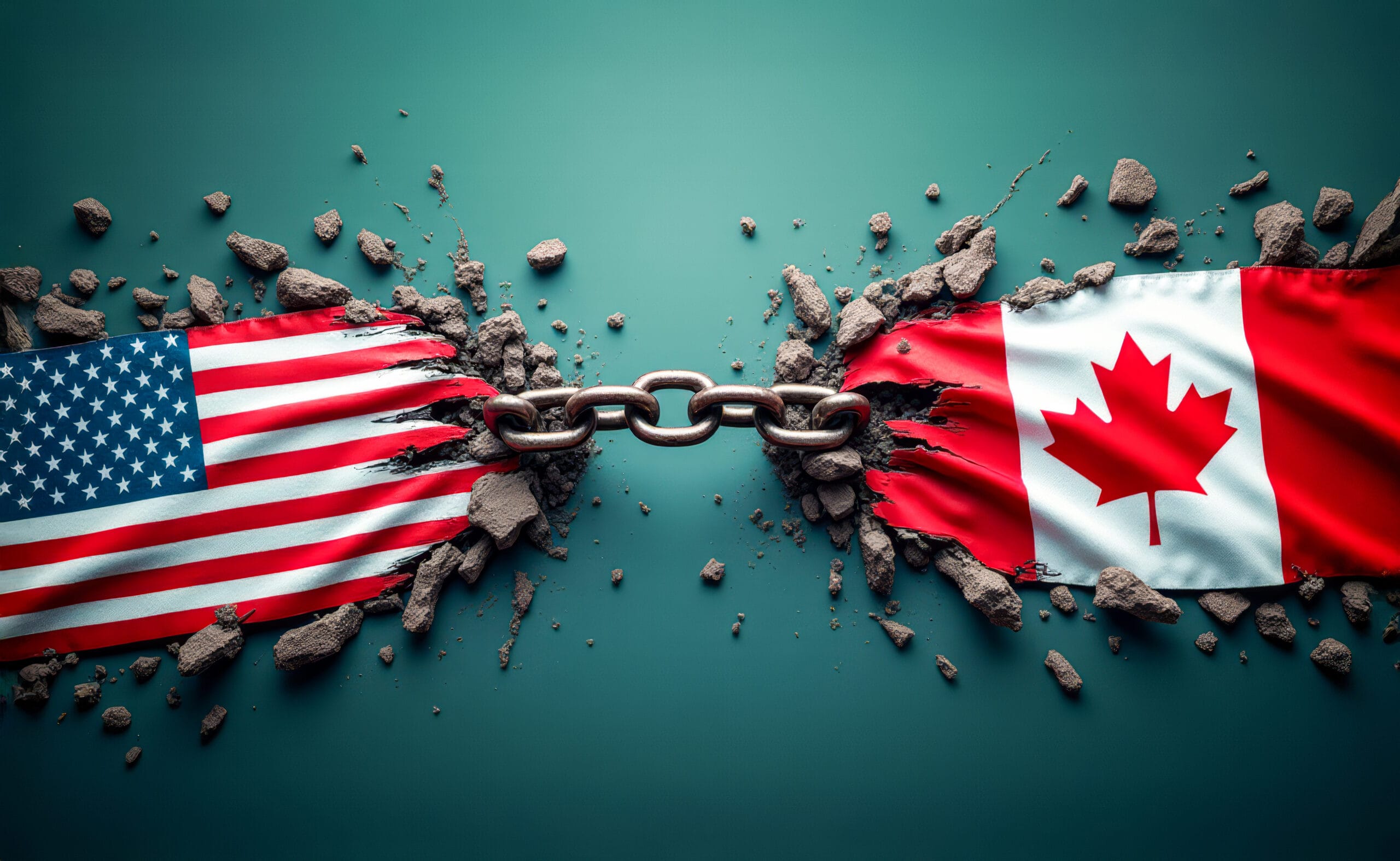
The path of independence involves upholding diversified trade, defending resource sovereignty, and pushing back on coercive tariffs. This route guarantees friction and potential economic cost but is the only avenue to genuine long-term sovereignty. The Carney government has clearly invested in this second path.
This moment transcends a bilateral dispute. Canada serves as a test case for midsize democracies worldwide. Allies in Europe and Asia are parsing the same document, gauging their own room to maneuver. If Canada, deeply integrated with the U.S., can successfully assert an independent course, it provides a global blueprint.
Conversely, if Canada yields, it signals that superpower pressure is insurmountable, discouraging other nations from attempting autonomous strategies. The world is watching to see if a country can withstand the full weight of American strategic anxiety and maintain its economic and political self-determination.
The document ultimately functions as a stark wake-up call. Sovereignty is not a historical artifact but a continuous project requiring deliberate construction and defense. It is built through diversified trade, multiple partnerships, and the resilience to endure retaliation. The polite language of alliance has been stripped away, revealing a transactional expectation of subordination.
Prime Minister Car